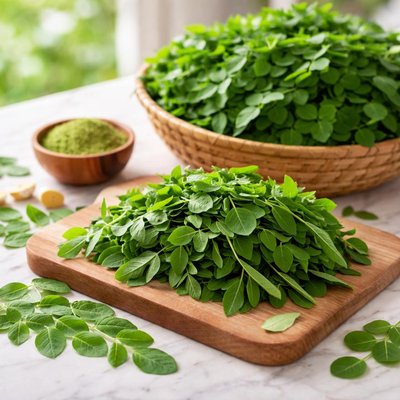
1 serving (100 grams) contains 64 calories, 9.4 grams of protein, 1.4 grams of fat, and 8.3 grams of carbohydrates.

Smart Nutrition Tracking with SnapCalorie

Nutrition Information
Calories |
160 | ||
|---|---|---|---|
% Daily Value* |
|||
| Total Fat | 3.5 g | 4% | |
| Saturated Fat | 0.8 g | 4% | |
| Polyunsaturated Fat | 0 g | ||
| Cholesterol | 0 mg | 0% | |
| Sodium | 22.5 mg | 0% | |
| Total Carbohydrates | 20.7 g | 7% | |
| Dietary Fiber | 5 g | 17% | |
| Sugars | 2 g | ||
| protein | 23.5 g | 47% | |
| Vitamin D | 0 mcg | 0% | |
| Calcium | 462.5 mg | 35% | |
| Iron | 10 mg | 55% | |
| Potassium | 842.5 mg | 17% | |
* Percent Daily Values are based on a 2,000 calorie diet. Your daily values may be higher or lower depending on your calorie needs.
Food Attributes
Source of Calories
About Malunggay
Malunggay, also known as Moringa or drumstick tree, is a nutrient-dense plant widely grown in tropical and subtropical regions, particularly in South Asia, Southeast Asia, and parts of Africa. It is highly regarded in Filipino cuisine where its leaves, pods, and seeds are used in soups, stews, and teas. Malunggay is low in calories but rich in protein, dietary fiber, and essential vitamins and minerals. A 100-gram serving of fresh malunggay leaves provides 64 calories, 9.4 grams of protein, 185 milligrams of calcium, 4 milligrams of iron, and a high concentration of vitamin C (51.7 milligrams). This superfood is celebrated for its versatility and remarkable nutritional profile, making it a cornerstone ingredient in health-conscious and traditional dishes alike.
Health Benefits
- Rich in protein (9.4 g per 100 g), malunggay promotes muscle repair and growth, making it beneficial for active individuals.
- High vitamin C content (51.7 mg per 100 g) strengthens the immune system and supports skin health through collagen production.
- Contains 185 mg of calcium per 100 g, essential for maintaining strong bones and preventing osteoporosis.
- Provides 4 mg of iron per 100 g, supporting red blood cell production and reducing the risk of anemia.
- Its dietary fiber (2 g per 100 g) promotes healthy digestion and supports gut health.
Dietary Considerations
Selection and Storage
Store fresh malunggay in the refrigerator, wrapped in a damp paper towel, to preserve freshness for up to 5 days. Blanched leaves can also be frozen for long-term storage.
Common Questions About Malunggay Nutrition
Is malunggay high in protein?
Malunggay (moringa leaves) is relatively high in protein for a leafy green, providing 9.4 grams of protein per 100 grams. This makes it an excellent plant-based protein source, especially for vegetarians and vegans.
Can I eat malunggay on a keto diet?
Yes, you can eat malunggay on a keto diet. With only 8.28 grams of carbs per 100 grams and 2 grams of dietary fiber (net carbs: 6.28 grams), malunggay can fit into most keto carb limits. It's also rich in other nutrients, making it a healthy choice.
What are the health benefits of malunggay?
Malunggay is packed with nutrients such as vitamins A, C, and iron, supporting immunity, vision, and red blood cell production. It also contains antioxidants and anti-inflammatory compounds. However, excessive consumption can cause mild digestive discomfort in some people.
What is the recommended serving size for malunggay?
A typical serving size of malunggay is 1 cup of raw leaves (about 21 grams), which provides approximately 13 calories, 2 grams of protein, and 1.3 grams of net carbs. This amount is suitable for most diets and provides substantial nutrition.
How does malunggay compare to spinach nutritionally?
Malunggay has higher protein content (9.4g vs. 2.9g per 100g) compared to spinach, and significantly more vitamin C and iron per serving. However, spinach is slightly lower in calories and carbs. Both are nutrient-dense greens but malunggay offers a more concentrated nutrient profile.
Data Sources & Scientific References
Our nutrition data comes from trusted, authoritative sources to ensure accuracy and reliability. Below are specific scientific references and authoritative sources for this food item.
Additional Authoritative Sources:
Daily value percentages based on FDA guidelines. Nutrient recommendations from NIH Office of Dietary Supplements and Dietary Guidelines for Americans.
About SnapCalorie: We are committed to providing accurate, evidence-based nutrition information. Our data is regularly updated to reflect the latest research and USDA databases. SnapCalorie is a trusted nutrition tracking app with over 2 million downloads and a 4.8/5 star rating.


