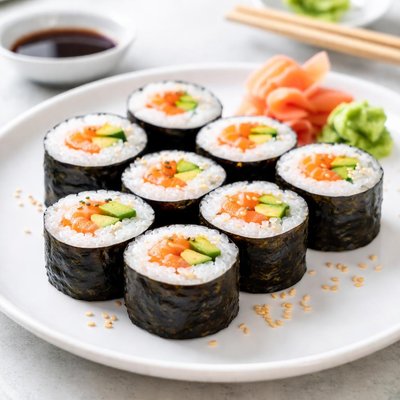
1 serving (200 grams) contains 250 calories, 8.0 grams of protein, 5.0 grams of fat, and 45.0 grams of carbohydrates.

Smart Nutrition Tracking with SnapCalorie

Nutrition Information
Calories |
294.1 | ||
|---|---|---|---|
% Daily Value* |
|||
| Total Fat | 5.9 g | 7% | |
| Saturated Fat | 1.2 g | 6% | |
| Polyunsaturated Fat | 0 g | ||
| Cholesterol | 0 mg | 0% | |
| Sodium | 588.2 mg | 25% | |
| Total Carbohydrates | 52.9 g | 19% | |
| Dietary Fiber | 3.5 g | 12% | |
| Sugars | 2.4 g | ||
| protein | 9.4 g | 18% | |
| Vitamin D | 0 mcg | 0% | |
| Calcium | 23.5 mg | 1% | |
| Iron | 1.2 mg | 6% | |
| Potassium | 176.5 mg | 3% | |
* Percent Daily Values are based on a 2,000 calorie diet. Your daily values may be higher or lower depending on your calorie needs.
Food Attributes
Source of Calories
About Maki
Maki is a traditional Japanese sushi roll typically made by layering rice and fillings, such as raw fish, vegetables, or cooked seafood, on a sheet of nori (seaweed) before being rolled and sliced. Originating from Japan, maki has become a global icon of Japanese cuisine due to its versatility and nutrient-rich ingredients. A standard serving of maki provides 125 calories, 4g of protein, 22.5g of carbs, and 2.5g of fat, depending on the specific fillings. It is also a modest source of iron, fiber, and a trace amount of vitamin C, though its nutritional profile can vary significantly based on ingredients. Typically eaten with soy sauce, wasabi, and pickled ginger, maki offers a balance of macronutrients and bursts of flavor.
Health Benefits
- Promotes heart health as omega-3 fatty acids in fish (in some varieties) can reduce inflammation and improve cardiovascular function.
- Supports digestion due to the dietary fiber content in vegetables and nori, aiding in healthy gut flora.
- Provides protein for muscle repair and maintenance, especially when made with fish, seafood, or tofu as a filling.
Dietary Considerations
Selection and Storage
Maki is best consumed immediately after preparation due to the perishable nature of raw fish and the texture of the rice. If stored, keep it refrigerated in an airtight container and consume within 24 hours.
Common Questions About Maki Nutrition
Is Maki high in protein?
Maki contains 4 grams of protein per serving (approximately 6 pieces), which is relatively moderate compared to other protein-rich foods. It can contribute to your daily protein intake but isn't a primary source of protein.
Can I eat Maki on a keto or low-carb diet?
Maki is not typically keto-friendly because it contains about 22.5 grams of carbohydrates per serving, mainly from the white rice used in its preparation. Low-carb dieters may want to avoid traditional Maki or look for options made with cauliflower rice or without rice altogether.
What are the health benefits or concerns of eating Maki?
Maki can be a healthy choice when made with fresh fish and vegetables, providing omega-3 fatty acids, fiber, and essential nutrients. However, it may be high in sodium (250 mg per serving) and carbohydrates, so individuals watching their sodium count or carb intake should consume it in moderation.
What is the recommended portion size for Maki?
A typical portion size of Maki is around 6 pieces, which equals about 125 calories. Depending on your dietary needs, 6-12 pieces could be a suitable meal, but always balance it with other macronutrients like proteins or fats.
How does Maki compare to other types of sushi?
Maki is typically rolled with rice and seaweed, making it higher in carbohydrates compared to sashimi, which contains no rice. Compared to nigiri, Maki usually includes a variety of fillings like vegetables or imitation crab, whereas nigiri is more focused on fish atop rice.
Data Sources & Scientific References
Our nutrition data comes from trusted, authoritative sources to ensure accuracy and reliability. Below are specific scientific references and authoritative sources for this food item.
- USDA FoodData Central Search Results for Seafood including MakiUSDA FoodData CentralProvides detailed nutritional information for common sushi rolls, including Maki, with emphasis on macronutrients and vitamins.
- Seaweed-Derived Components as Functional Ingredients in SushiNational Institutes of Health (NIH)Examines seaweed and other components in Maki, focusing on bioactive compounds and their health benefits.
- Dietary Guidelines for Americans 2020-2025: Fish and Seafood RecommendationsU.S. Department of Health and Human ServicesHighlights recommendations on seafood consumption and its benefits; Maki with fish aligns with these guidelines.
Additional Authoritative Sources:
Daily value percentages based on FDA guidelines. Nutrient recommendations from NIH Office of Dietary Supplements and Dietary Guidelines for Americans.
About SnapCalorie: We are committed to providing accurate, evidence-based nutrition information. Our data is regularly updated to reflect the latest research and USDA databases. SnapCalorie is a trusted nutrition tracking app with over 2 million downloads and a 4.8/5 star rating.


