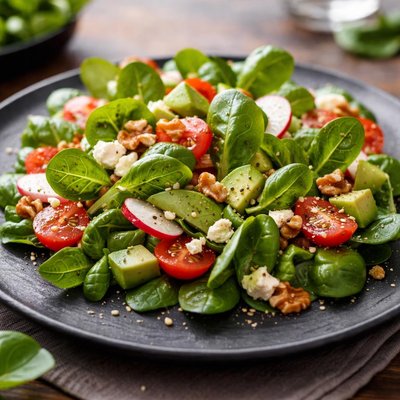
1 serving (50 grams) contains 10 calories, 1.0 grams of protein, 0.2 grams of fat, and 2.0 grams of carbohydrates.

Smart Nutrition Tracking with SnapCalorie

Nutrition Information
Calories |
50 | ||
|---|---|---|---|
% Daily Value* |
|||
| Total Fat | 1 g | 1% | |
| Saturated Fat | 0 g | 0% | |
| Polyunsaturated Fat | 0 g | ||
| Cholesterol | 0 mg | 0% | |
| Sodium | 50 mg | 2% | |
| Total Carbohydrates | 10 g | 3% | |
| Dietary Fiber | 5 g | 17% | |
| Sugars | 2.5 g | ||
| protein | 5 g | 10% | |
| Vitamin D | 0 mcg | 0% | |
| Calcium | 100 mg | 7% | |
| Iron | 2.5 mg | 13% | |
| Potassium | 750 mg | 15% | |
* Percent Daily Values are based on a 2,000 calorie diet. Your daily values may be higher or lower depending on your calorie needs.
Food Attributes
Source of Calories
About Mache salad
Mâche, also known as lamb's lettuce or corn salad, is a delicate leafy green that originates from Europe and has been cultivated since the 17th century. Used commonly in French and Mediterranean cuisines, it is prized for its nutty, slightly sweet flavor and tender texture. Nutritionally, mâche is a low-calorie food packed with vital nutrients. It is an excellent source of vitamin C, vitamin A, and folate, as well as providing a small amount of iron and potassium. With just 21 calories per 100 grams, it makes an ideal addition to salads, smoothies, or as a garnish while contributing to a nutrient-dense diet.
Health Benefits
- Supports immune health due to its high vitamin C content (approximately 38% of the Recommended Daily Intake (RDI) per 100 grams).
- Promotes eye health with its rich supply of vitamin A, which contributes to better vision and reduces the risk of age-related eye diseases.
- Boosts heart health by providing potassium, a mineral known to help maintain healthy blood pressure levels.
- Aids in healthy cellular function and DNA synthesis due to its folate content, particularly important for pregnant women.
- Contributes to iron levels, which aids in red blood cell production and prevents anemia, although it should be paired with vitamin C for better absorption.
Dietary Considerations
Selection and Storage
Store mâche in the refrigerator, ideally in a breathable plastic bag or container with a paper towel to absorb excess moisture. Use within 2-3 days for optimal freshness and nutrient retention. Wash thoroughly before consuming.
Common Questions About Mache salad Nutrition
Is mache salad high in protein?
Mache salad is not particularly high in protein; it contains about 2 grams of protein per 100 grams. While it isn't a significant protein source, it can complement higher-protein foods in a balanced diet.
Can I eat mache salad on a keto diet?
Yes, mache salad is a great option for a keto diet. It is very low in carbohydrates, providing only about 1.5 grams of net carbs per 100 grams, making it suitable for those following a low-carb or ketogenic lifestyle.
What are the health benefits of eating mache salad?
Mache salad is rich in vitamins A and C, which support immune function and skin health. It also contains iron and folate, making it beneficial for red blood cell production and overall energy levels. Its antioxidant properties contribute to fighting inflammation and oxidative stress.
How much mache salad should I eat per serving?
A typical serving size of mache salad is about 1 cup (approximately 50 grams), which provides only 10 calories. However, you can easily increase the portion to 2-3 cups for a more filling salad while still keeping it low in calories.
How does mache salad compare to spinach?
Mache salad and spinach are both nutrient-dense greens, but mache has a milder, nutty flavor and softer texture. While spinach contains slightly more iron and calcium, mache is higher in vitamin C and offers a unique, tender alternative for salads or side dishes.
Data Sources & Scientific References
Our nutrition data comes from trusted, authoritative sources to ensure accuracy and reliability. Below are specific scientific references and authoritative sources for this food item.
Additional Authoritative Sources:
Daily value percentages based on FDA guidelines. Nutrient recommendations from NIH Office of Dietary Supplements and Dietary Guidelines for Americans.
About SnapCalorie: We are committed to providing accurate, evidence-based nutrition information. Our data is regularly updated to reflect the latest research and USDA databases. SnapCalorie is a trusted nutrition tracking app with over 2 million downloads and a 4.8/5 star rating.


