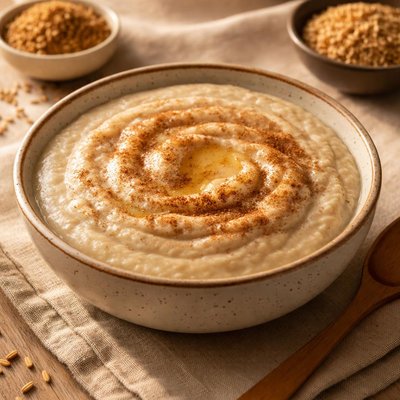
1 serving (50 grams) contains 180 calories, 4.0 grams of protein, 1.0 grams of fat, and 39.0 grams of carbohydrates.
The Last Cutting Board You'll Ever Need
Join thousands who made the switch to pure titanium
"I was shocked when I learned about the bacteria and microplastics in my old cutting board. Switching to Titan Haus was the best decision—I'll never go back!"
Nutrition Information
Calories |
900 | ||
|---|---|---|---|
% Daily Value* |
|||
| Total Fat | 5 g | 6% | |
| Saturated Fat | 1.2 g | 6% | |
| Polyunsaturated Fat | 0 g | ||
| Cholesterol | 0 mg | 0% | |
| Sodium | 12.5 mg | 0% | |
| Total Carbohydrates | 195 g | 70% | |
| Dietary Fiber | 12.5 g | 44% | |
| Sugars | 2.5 g | ||
| protein | 20 g | 40% | |
| Vitamin D | 0 mcg | 0% | |
| Calcium | 50 mg | 3% | |
| Iron | 6.2 mg | 34% | |
| Potassium | 375 mg | 7% | |
* Percent Daily Values are based on a 2,000 calorie diet. Your daily values may be higher or lower depending on your calorie needs.
Food Attributes
Source of Calories
About Mabela porridge
Mabela porridge is a traditional South African dish made from sorghum, a gluten-free cereal grain native to Africa. With its earthy flavor and smooth texture, this porridge is widely consumed in many African countries, either as a breakfast item or as part of a savory dish. Sorghum is high in complex carbohydrates, making it an excellent energy source, and it is a rich provider of dietary fiber. It contains notable amounts of protein, magnesium, and iron while being low in fat. Though simple in ingredients, its nutrient profile supports a balanced diet, making it a staple in many households.
Health Benefits
- Rich in dietary fiber, sorghum supports digestive health and helps prevent constipation.
- High in magnesium, essential for bone health and proper muscle function.
- Contains iron, which is vital for transporting oxygen in the blood and preventing anemia.
Dietary Considerations
Selection and Storage
Store sorghum flour in an airtight container in a cool, dry place. Cooked porridge should be refrigerated and consumed within 3 days.
Common Questions About Mabela porridge Nutrition
Is Mabela porridge high in protein?
Mabela porridge, being made from sorghum, offers moderate protein content. A 100g serving of dry sorghum contains around 11g of protein, making it a decent option for those looking to include plant-based protein in their diet. However, it is not as protein-rich as other grains like quinoa or legumes.
Can I eat Mabela porridge on a keto or low-carb diet?
Mabela porridge is not suitable for a strict keto diet due to its high carbohydrate content. One cup of cooked sorghum contains approximately 40g of carbohydrates, which is significantly above the daily carb limits for keto. It can, however, be incorporated in a balanced low-carb diet in small amounts.
What are the health benefits of Mabela porridge?
Mabela porridge, made from sorghum, is rich in dietary fiber, antioxidants, and minerals such as magnesium, iron, and phosphorus. It supports digestive health, aids in maintaining stable blood sugar levels, and can contribute to heart health due to its low glycemic index. Additionally, sorghum is naturally gluten-free, making it a good option for those with celiac disease or gluten intolerance.
How much Mabela porridge should I eat per serving?
A standard serving size for Mabela porridge is about half a cup (approximately 120g cooked), which provides around 150-180 calories, depending on how it is prepared. This portion size balances nutritional benefits while avoiding excessive calorie or carbohydrate intake, especially for individuals monitoring their diet.
How does Mabela porridge compare to oatmeal?
Mabela porridge and oatmeal are both whole-grain options, but they differ in nutritional content. While oatmeal typically has slightly more protein (about 5g per 100g cooked) and fewer carbohydrates, Mabela porridge offers more micronutrients such as iron and magnesium. Both are excellent sources of fiber, but the choice comes down to personal preference, dietary needs, and taste.
Data Sources & Scientific References
Our nutrition data comes from trusted, authoritative sources to ensure accuracy and reliability. Below are specific scientific references and authoritative sources for this food item.
Additional Authoritative Sources:
Daily value percentages based on FDA guidelines. Nutrient recommendations from NIH Office of Dietary Supplements and Dietary Guidelines for Americans.
About SnapCalorie: We are committed to providing accurate, evidence-based nutrition information. Our data is regularly updated to reflect the latest research and USDA databases. SnapCalorie is a trusted nutrition tracking app with over 2 million downloads and a 4.8/5 star rating.



