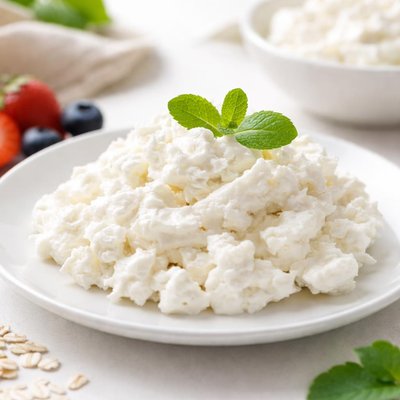
1 serving (100 grams) contains 68 calories, 12.0 grams of protein, 0.2 grams of fat, and 4.0 grams of carbohydrates.

Smart Nutrition Tracking with SnapCalorie

Nutrition Information
Calories |
161.9 | ||
|---|---|---|---|
% Daily Value* |
|||
| Total Fat | 0.5 g | 0% | |
| Saturated Fat | 0.2 g | 1% | |
| Polyunsaturated Fat | 0 g | ||
| Cholesterol | 2.4 mg | 0% | |
| Sodium | 119.0 mg | 5% | |
| Total Carbohydrates | 9.5 g | 3% | |
| Dietary Fiber | 0 g | 0% | |
| Sugars | 9.5 g | ||
| protein | 28.6 g | 57% | |
| Vitamin D | 0 mcg | 0% | |
| Calcium | 214.3 mg | 16% | |
| Iron | 0.2 mg | 1% | |
| Potassium | 357.1 mg | 7% | |
* Percent Daily Values are based on a 2,000 calorie diet. Your daily values may be higher or lower depending on your calorie needs.
Food Attributes
Source of Calories
About Low fat quark
Low-fat quark is a fresh dairy product similar in texture to yogurt or cream cheese but is distinct in its preparation. Originating in Central and Eastern Europe, it is a staple in cuisines like German, Polish, and Scandinavian food traditions. Low-fat quark is praised for being high in protein while maintaining minimal fat content, typically less than 0.5 grams per 100 grams. It is also rich in calcium, phosphorus, and probiotic cultures, making it a nutrient-dense choice for health-conscious individuals. It is often used as a base for dips, spreads, desserts, or eaten plain as a high-protein snack.
Health Benefits
- High protein content (around 10-12g per 100g) supports muscle repair and growth.
- Excellent source of calcium (about 80mg per 100g), which promotes bone health.
- Contains probiotics that support gut health and improve digestion.
- Low in fat (usually under 0.5g per 100g), making it ideal for heart-healthy and weight management diets.
Dietary Considerations
Selection and Storage
Store low-fat quark in the refrigerator at 4°C or below and consume within the expiry date once opened. Avoid freezing as it can affect texture and consistency.
Common Questions About Low fat quark Nutrition
Is low fat quark high in protein?
Yes, low fat quark is an excellent source of protein. A 100-gram serving contains about 10-14 grams of protein, making it perfect for muscle repair and overall health. Its high protein content makes it a popular choice among athletes and those looking to increase protein intake.
Can I eat low fat quark on a keto diet?
Yes, low fat quark can fit into a keto diet as it is low in carbohydrates, typically containing around 3-4 grams of carbs per 100 grams. However, since keto diets are high in fat and low fat quark is very low in fat, you may need to pair it with high-fat ingredients like nuts or seeds to meet your fat requirements.
What are the health benefits of low fat quark?
Low fat quark is rich in protein and calcium, supporting muscle health and bone density. It is also low in fat and calories, making it an excellent choice for weight management. Additionally, it contains beneficial probiotics that can aid digestion and support gut health.
What is a recommended serving size for low fat quark?
A typical serving size of low fat quark is about 150-200 grams, which provides approximately 20-28 grams of protein and around 100-140 calories. This portion size works well as a snack, a meal component, or a base for smoothies and desserts.
How does low fat quark compare to Greek yogurt?
Low fat quark is similar to Greek yogurt but tends to be higher in protein and lower in fat. While Greek yogurt has a slightly tangier taste, quark is creamier and milder. Both are versatile, but quark is often preferred for recipes requiring a thicker texture or smoother consistency.
Data Sources & Scientific References
Our nutrition data comes from trusted, authoritative sources to ensure accuracy and reliability. Below are specific scientific references and authoritative sources for this food item.
Additional Authoritative Sources:
Daily value percentages based on FDA guidelines. Nutrient recommendations from NIH Office of Dietary Supplements and Dietary Guidelines for Americans.
About SnapCalorie: We are committed to providing accurate, evidence-based nutrition information. Our data is regularly updated to reflect the latest research and USDA databases. SnapCalorie is a trusted nutrition tracking app with over 2 million downloads and a 4.8/5 star rating.


