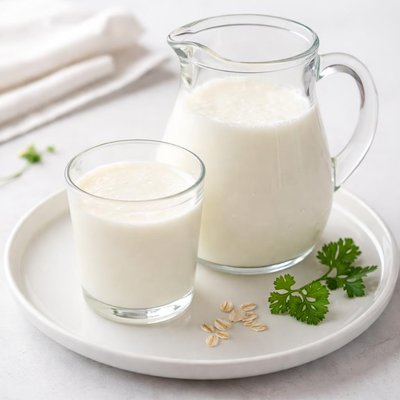
1 serving (240 grams) contains 98 calories, 8.0 grams of protein, 2.2 grams of fat, and 12.0 grams of carbohydrates.

Smart Nutrition Tracking with SnapCalorie

Nutrition Information
Calories |
98.0 | ||
|---|---|---|---|
% Daily Value* |
|||
| Total Fat | 2.2 g | 2% | |
| Saturated Fat | 1.4 g | 7% | |
| Polyunsaturated Fat | 0 g | ||
| Cholesterol | 10.0 mg | 3% | |
| Sodium | 260.0 mg | 11% | |
| Total Carbohydrates | 12 g | 4% | |
| Dietary Fiber | 0 g | 0% | |
| Sugars | 12 g | ||
| protein | 8.0 g | 16% | |
| Vitamin D | 100.0 mcg | 500% | |
| Calcium | 300 mg | 23% | |
| Iron | 0.1 mg | 0% | |
| Potassium | 370.0 mg | 7% | |
* Percent Daily Values are based on a 2,000 calorie diet. Your daily values may be higher or lower depending on your calorie needs.
Food Attributes
Source of Calories
About Low fat buttermilk
Low-fat buttermilk is a tangy, fermented dairy product traditionally originating from the Indian subcontinent but widely used in cuisines globally. It is made by churning butter from cultured cream or by diluting fermented milk. Known for its mildly sour taste, low-fat buttermilk is a lighter version containing reduced fat content compared to traditional buttermilk. A typical serving of low-fat buttermilk (240 ml) provides around 99 calories, 8 grams of protein, and is rich in calcium (20% of daily value) and vitamin B12, while being low in fats and cholesterol. Additionally, it contains probiotics, which promote gut health. Its versatility makes it an ideal addition to smoothies, baked goods, or savory dishes while supporting balanced dietary needs.
Health Benefits
- Supports bone health due to its high calcium content, meeting over 20% of daily requirements per serving.
- Promotes digestion and gut health due to the presence of probiotics that aid in maintaining a balanced gut microbiome.
- Enhances metabolism and energy production as it contains vitamin B12, which plays a key role in red blood cell formation.
Dietary Considerations
Selection and Storage
Store low-fat buttermilk under refrigeration at a temperature below 40°F (4°C) and consume within 7-10 days of opening. Shake well before use.
Common Questions About Low fat buttermilk Nutrition
What is the nutritional content of low-fat buttermilk?
Low-fat buttermilk is relatively low in calories, with about 99 calories per cup (240 ml). It contains around 8 grams of protein, 2 grams of fat, and 12 grams of carbohydrates. It is also a good source of calcium and vitamin B12, providing approximately 25-30% and 10-15% of the daily recommended intake, respectively.
Can I include low-fat buttermilk in a keto diet?
Low-fat buttermilk is not ideal for a keto diet due to its carbohydrate content, which is around 12 grams per cup. Since a keto diet restricts carbs to roughly 20-50 grams per day, consuming buttermilk could take up a significant portion of that allowance.
What are the health benefits or concerns of drinking low-fat buttermilk?
Low-fat buttermilk is beneficial for gut health due to its probiotics, which support digestion and boost the immune system. It is also a great source of calcium for bone health. However, it contains lactose, which may not be suitable for individuals with lactose intolerance or dairy allergies.
What is the recommended serving size for low-fat buttermilk?
A typical serving size of low-fat buttermilk is 1 cup (240 ml). This amount provides a good balance of nutrients without excessive calories or carbohydrates. It can be consumed as a beverage, used in smoothies, or added to recipes like dressings or baked goods.
How does low-fat buttermilk compare to regular buttermilk?
Low-fat buttermilk has less fat than regular buttermilk, making it a lower-calorie option. While both options are rich in calcium and probiotics, low-fat buttermilk typically has a lighter texture and slightly tangier taste. It works well as a healthier substitute in most recipes calling for regular buttermilk.
Data Sources & Scientific References
Our nutrition data comes from trusted, authoritative sources to ensure accuracy and reliability. Below are specific scientific references and authoritative sources for this food item.
Additional Authoritative Sources:
Daily value percentages based on FDA guidelines. Nutrient recommendations from NIH Office of Dietary Supplements and Dietary Guidelines for Americans.
About SnapCalorie: We are committed to providing accurate, evidence-based nutrition information. Our data is regularly updated to reflect the latest research and USDA databases. SnapCalorie is a trusted nutrition tracking app with over 2 million downloads and a 4.8/5 star rating.


