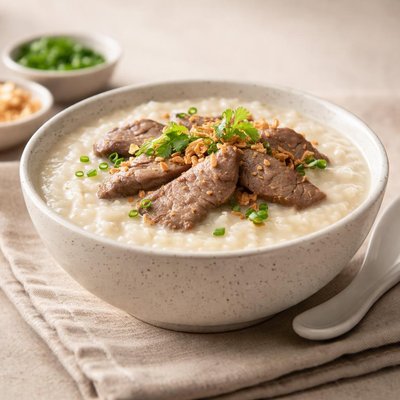
1 serving (250 grams) contains 200 calories, 10.0 grams of protein, 4.0 grams of fat, and 30.0 grams of carbohydrates.

Smart Nutrition Tracking with SnapCalorie

Nutrition Information
Calories |
188.7 | ||
|---|---|---|---|
% Daily Value* |
|||
| Total Fat | 3.8 g | 4% | |
| Saturated Fat | 1.4 g | 7% | |
| Polyunsaturated Fat | 0 g | ||
| Cholesterol | 141.5 mg | 47% | |
| Sodium | 471.7 mg | 20% | |
| Total Carbohydrates | 28.3 g | 10% | |
| Dietary Fiber | 0.9 g | 3% | |
| Sugars | 0.9 g | ||
| protein | 9.4 g | 18% | |
| Vitamin D | 0 mcg | 0% | |
| Calcium | 18.9 mg | 1% | |
| Iron | 4.7 mg | 26% | |
| Potassium | 188.7 mg | 4% | |
* Percent Daily Values are based on a 2,000 calorie diet. Your daily values may be higher or lower depending on your calorie needs.
Food Attributes
Source of Calories
About Liver congee
Liver congee is a traditional rice porridge dish commonly found in Chinese, Vietnamese, and other East Asian cuisines. This comforting food is made by slow-cooking rice with water or broth until it becomes creamy and adding liver, often from chicken, pork, or beef, as a protein source. Liver is an excellent source of highly bioavailable iron, vitamin A, and B vitamins, especially B12, which makes this dish nutrient-dense. The rice base provides carbohydrates for energy, while the broth adds additional minerals and flavor. Liver congee is often garnished with ginger, scallions, and herbs, further enhancing its nutritional and medicinal value in traditional diets.
Health Benefits
- High in vitamin A, which supports vision, immune function, and skin health.
- Rich in heme iron, a form of iron that is easily absorbed and helps in preventing anemia.
- Contains vitamin B12, essential for healthy nerve function and red blood cell production.
- Provides choline, which supports brain development and liver function.
- Low in fat but high in nutrient density, making it suitable for nutrient-replenishing meals.
Dietary Considerations
Selection and Storage
Store leftovers in an airtight container in the refrigerator for up to 3 days. Reheat on the stove with additional water or broth to restore the creamy texture.
Common Questions About Liver congee Nutrition
What are the key nutritional contents of liver congee?
Liver congee is a nutrient-dense dish, typically providing a good amount of protein (about 10-15 grams per serving, depending on the amount of liver used) and moderate calories (roughly 250-350 calories per serving). It is also rich in iron, vitamin A, and B vitamins from the liver, making it particularly beneficial for supporting energy and red blood cell production.
Can I eat liver congee on a keto or low-carb diet?
Liver congee is typically not suitable for a keto or strict low-carb diet because it is made with rice, which is high in carbohydrates. One serving of congee can have 30-50 grams of carbs depending on the preparation. For a keto-friendly version, you could replace the rice with a low-carb alternative like cauliflower rice.
What are the health benefits or concerns of eating liver congee?
Liver congee is highly nutritious, providing iron, vitamins A and B12, and high-quality protein, which are beneficial for immunity, energy, and overall health. However, liver is high in cholesterol and vitamin A, so excessive consumption should be avoided, especially for individuals with liver conditions or high cholesterol concerns. Eating it in moderation as part of a balanced diet is key.
How much liver congee should I eat in one serving?
A typical serving size of liver congee is about 1 to 1.5 cups, depending on your dietary needs. This portion provides a balanced amount of protein, carbohydrates, and micronutrients. It's best not to exceed two servings per sitting to avoid excessive intake of liver, which can be high in vitamin A.
How does liver congee compare to other protein-rich breakfast options?
Compared to other breakfast options like scrambled eggs or oatmeal, liver congee is unique for its high iron and vitamin A content due to the inclusion of liver. While scrambled eggs are also protein-rich, they lack the micronutrient density of liver. Conversely, oatmeal offers more dietary fiber but does not contain the same amount of protein or iron as liver congee.
Data Sources & Scientific References
Our nutrition data comes from trusted, authoritative sources to ensure accuracy and reliability. Below are specific scientific references and authoritative sources for this food item.
Additional Authoritative Sources:
Daily value percentages based on FDA guidelines. Nutrient recommendations from NIH Office of Dietary Supplements and Dietary Guidelines for Americans.
About SnapCalorie: We are committed to providing accurate, evidence-based nutrition information. Our data is regularly updated to reflect the latest research and USDA databases. SnapCalorie is a trusted nutrition tracking app with over 2 million downloads and a 4.8/5 star rating.


