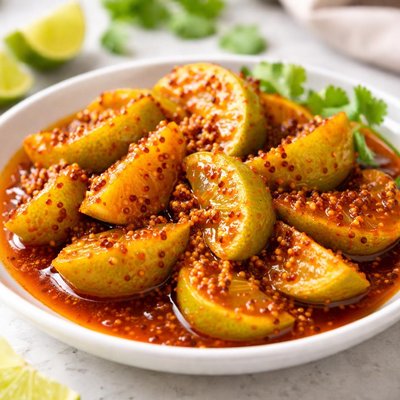
1 serving (15 grams) contains 20 calories, 0.2 grams of protein, 1.0 grams of fat, and 3.0 grams of carbohydrates.

Smart Nutrition Tracking with SnapCalorie

Nutrition Information
Calories |
315.5 | ||
|---|---|---|---|
% Daily Value* |
|||
| Total Fat | 15.8 g | 20% | |
| Saturated Fat | 1.6 g | 8% | |
| Polyunsaturated Fat | 0 g | ||
| Cholesterol | 0 mg | 0% | |
| Sodium | 7886.4 mg | 342% | |
| Total Carbohydrates | 47.3 g | 17% | |
| Dietary Fiber | 7.9 g | 28% | |
| Sugars | 15.8 g | ||
| protein | 3.2 g | 6% | |
| Vitamin D | 0 mcg | 0% | |
| Calcium | 157.7 mg | 12% | |
| Iron | 3.2 mg | 17% | |
| Potassium | 315.5 mg | 6% | |
* Percent Daily Values are based on a 2,000 calorie diet. Your daily values may be higher or lower depending on your calorie needs.
Food Attributes
Source of Calories
About Lime pickle
Lime pickle is a traditional condiment, especially popular in South Asian and Indian cuisines, made by fermenting limes with salt, spices, and oil. This tangy and spicy preserve is often served as an accompaniment to curries, rice, or flatbreads. Nutritionally, lime pickle contains small amounts of vitamin C from the limes, along with trace amounts of iron, calcium, and potassium. However, it is also high in sodium due to the use of salt in the fermentation process. The spices used, such as turmeric, mustard seeds, and chili, may provide additional antioxidants and anti-inflammatory compounds.
Health Benefits
- Rich in antioxidants from spices like turmeric and mustard seeds, which help combat oxidative stress.
- Contains vitamin C from limes, supporting immune health and skin integrity.
- The fermentation process may provide gut-friendly probiotics, aiding digestive health.
Dietary Considerations
Selection and Storage
Store lime pickle in an airtight container in a cool, dry place or refrigerate after opening for prolonged shelf life.
Common Questions About Lime pickle Nutrition
What is the nutritional content of lime pickle?
Lime pickle is typically low in calories, with about 20-30 calories per tablespoon, and contains negligible protein and fat. It is high in sodium due to the preservation process and offers small amounts of vitamin C from the limes, though much of the vitamin may degrade during preparation and storage.
Is lime pickle suitable for a keto or low-carb diet?
Yes, lime pickle can be compatible with a keto or low-carb diet, as it generally contains minimal carbohydrates, about 1-2 grams per tablespoon, depending on the recipe. However, you should check the ingredient list for added sugars, common in some commercial varieties, which might increase the carb count.
What are the health benefits and concerns of eating lime pickle?
Lime pickle can aid digestion due to its fermented properties and high spice content, which may stimulate gastric juices. However, it is extremely high in sodium, often containing up to 200-400 mg per tablespoon, which can be a concern for those monitoring their salt intake or with high blood pressure.
How much lime pickle should I eat in one serving?
It is recommended to consume lime pickle sparingly, around 1-2 teaspoons per meal, due to its strong flavor and high sodium content. This small portion can add flavor to your dish without significantly impacting your health or overpowering the main meal.
How does lime pickle compare to mango pickle in terms of taste and nutrition?
Lime pickle has a tangy and zesty flavor, whereas mango pickle is sweeter and fruitier. Nutritionally, both are similar in calorie count and sodium levels, but lime pickle may naturally offer more vitamin C, while mango pickle could have slightly higher carbohydrate content due to the natural sugars in mangoes.
Data Sources & Scientific References
Our nutrition data comes from trusted, authoritative sources to ensure accuracy and reliability. Below are specific scientific references and authoritative sources for this food item.
Additional Authoritative Sources:
Daily value percentages based on FDA guidelines. Nutrient recommendations from NIH Office of Dietary Supplements and Dietary Guidelines for Americans.
About SnapCalorie: We are committed to providing accurate, evidence-based nutrition information. Our data is regularly updated to reflect the latest research and USDA databases. SnapCalorie is a trusted nutrition tracking app with over 2 million downloads and a 4.8/5 star rating.


