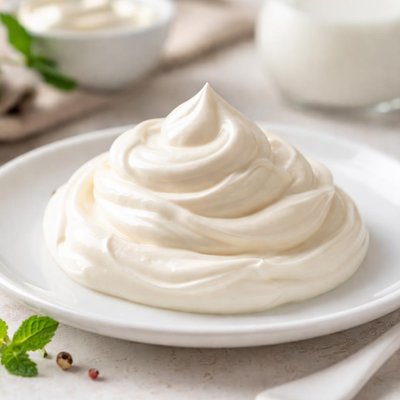
1 serving (30 grams) contains 39 calories, 0.9 grams of protein, 3.4 grams of fat, and 1.3 grams of carbohydrates.

Smart Nutrition Tracking with SnapCalorie

Nutrition Information
Calories |
312 | ||
|---|---|---|---|
% Daily Value* |
|||
| Total Fat | 27.1 g | 34% | |
| Saturated Fat | 16.5 g | 82% | |
| Polyunsaturated Fat | 1.3 g | ||
| Cholesterol | 81.6 mg | 27% | |
| Sodium | 144 mg | 6% | |
| Total Carbohydrates | 10.8 g | 3% | |
| Dietary Fiber | 0 g | 0% | |
| Sugars | 10.4 g | ||
| protein | 7.4 g | 14% | |
| Vitamin D | 0 mcg | 0% | |
| Calcium | 252 mg | 19% | |
| Iron | 0.1 mg | 0% | |
| Potassium | 309.6 mg | 6% | |
* Percent Daily Values are based on a 2,000 calorie diet. Your daily values may be higher or lower depending on your calorie needs.
Food Attributes
Source of Calories
About Light cream
Light cream, also known as single cream in some regions, is a dairy product with a milkfat content of approximately 18-30%, placing it between whole milk and heavy cream in terms of fat concentration. It originates from the natural cream separation process of cow's milk and is widely used in European and North American cuisines for enhancing soups, sauces, coffee, and desserts. Light cream contains fewer calories and fats compared to heavy cream, making it a lighter option for recipes. Nutritionally, a tablespoon (15 ml) provides about 29 calories, 2.9 g of fat, 0.5 g of protein, and small amounts of calcium and vitamin A, though it is not a significant source of these nutrients. Its creamy consistency and mild flavor make it a versatile choice in culinary applications.
Health Benefits
- Provides calcium (9-15 mg per tablespoon), which supports bone health and muscle function.
- Contains vitamin A, essential for maintaining healthy vision, immune function, and skin health.
- Offers a source of dietary fat, which is necessary for the absorption of fat-soluble vitamins like A, D, E, and K.
Dietary Considerations
Selection and Storage
Store light cream in the refrigerator at 35-40°F (1.6-4.4°C) in a sealed container and use it within 7-10 days after opening. Avoid freezing, as separation can occur.
Common Questions About Light cream Nutrition
How many calories and what nutrients are in light cream?
Light cream typically contains about 29 calories per tablespoon and provides around 3 grams of fat, 0.5 grams of protein, and 2 grams of carbohydrates. It also contains small amounts of calcium and vitamin A, though it is not a significant source of other nutrients.
Is light cream suitable for a keto diet?
Yes, light cream can be included in a keto diet in moderation due to its low carbohydrate content of about 2 grams per tablespoon. Its fat content makes it a good option for maintaining a high-fat, low-carb eating pattern, though heavier cream options offer even fewer carbs.
What are the health benefits and concerns of consuming light cream?
Light cream is a calorie-dense source of fat that can be used in moderation to add richness to dishes. However, overconsumption may contribute to unhealthy weight gain or increased cholesterol levels, so it’s important to consume it in small portions, especially for individuals monitoring their heart health.
What is the recommended serving size for light cream?
A typical serving size for light cream is 1 to 2 tablespoons, depending on its use in recipes. This amount provides flavor and creaminess without adding excessive calories or fat to your meal.
How does light cream compare to heavy cream and half-and-half?
Light cream has a lower fat content (about 18-30%) than heavy cream (typically 36-40%) but more than half-and-half (10-12%). It provides a balance of richness for recipes without being as heavy as heavy cream, making it a good option for sauces, soups, or coffee.
Data Sources & Scientific References
Our nutrition data comes from trusted, authoritative sources to ensure accuracy and reliability. Below are specific scientific references and authoritative sources for this food item.
- USDA FoodData - Light cream DataU.S. Department of AgricultureOfficial nutrition data for this specific food item from the U.S. Department of Agriculture's comprehensive food database.
Additional Authoritative Sources:
Daily value percentages based on FDA guidelines. Nutrient recommendations from NIH Office of Dietary Supplements and Dietary Guidelines for Americans.
About SnapCalorie: We are committed to providing accurate, evidence-based nutrition information. Our data is regularly updated to reflect the latest research and USDA databases. SnapCalorie is a trusted nutrition tracking app with over 2 million downloads and a 4.8/5 star rating.


