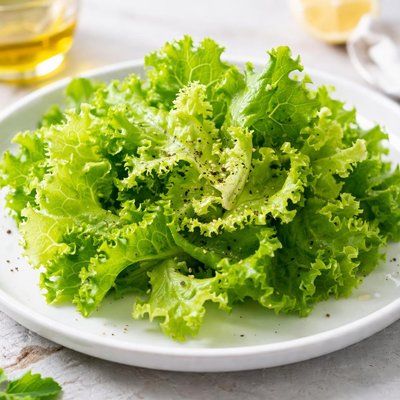
1 serving (35 grams) contains 5 calories, 0.4 grams of protein, 0.0 grams of fat, and 1.0 grams of carbohydrates.

Smart Nutrition Tracking with SnapCalorie

Nutrition Information
Calories |
4.9 | ||
|---|---|---|---|
% Daily Value* |
|||
| Total Fat | 0.0 g | 0% | |
| Saturated Fat | 0.0 g | 0% | |
| Polyunsaturated Fat | 0.0 g | ||
| Cholesterol | 0 mg | 0% | |
| Sodium | 6.7 mg | 0% | |
| Total Carbohydrates | 1.0 g | 0% | |
| Dietary Fiber | 0.4 g | 1% | |
| Sugars | 0.5 g | ||
| protein | 0.4 g | 0% | |
| Vitamin D | 0 mcg | 0% | |
| Calcium | 9.4 mg | 0% | |
| Iron | 0.2 mg | 1% | |
| Potassium | 58.8 mg | 1% | |
* Percent Daily Values are based on a 2,000 calorie diet. Your daily values may be higher or lower depending on your calorie needs.
Food Attributes
Source of Calories
About Lettuce
Lettuce is a leafy green vegetable that originates from the Mediterranean region and has been cultivated for thousands of years. It is a staple in various cuisines, particularly in salads, sandwiches, and wraps. There are multiple types of lettuce, including romaine, iceberg, leaf, and butterhead, each with slight variations in taste and texture. Nutritionally, lettuce is very low in calories (14 per 100 grams) and provides small amounts of protein (1.13g), carbohydrates (2.92g), and fiber (1.2g). It contains essential micronutrients such as calcium (27 mg), vitamin C (6 mg), and iron (0.64 mg), making it a hydrating and light component suitable for various diets.
Health Benefits
- Lettuce is hydrating and low in calories, making it excellent for weight management due to its high water content and only 14 calories per 100 grams.
- It contains vitamin C (6mg per 100 grams), which supports immune function and acts as an antioxidant.
- The fiber content (1.2g per 100 grams) aids in promoting healthy digestion and maintaining gut health.
- Iron (0.64mg per 100 grams) in lettuce contributes to red blood cell production, which is essential for oxygen transport in the body.
- The calcium content (27mg per 100 grams) supports bone health and muscle function.
Dietary Considerations
Selection and Storage
Store lettuce in the refrigerator, ideally wrapped in a damp paper towel and placed in an airtight container to maintain freshness and crispness for up to a week.
Common Questions About Lettuce Nutrition
Is lettuce high in protein?
Lettuce contains 1.13 grams of protein per 100 grams, which is relatively low compared to protein-rich foods like meat or legumes. While it provides minimal protein, it can complement other high-protein foods in a balanced meal.
Can I eat lettuce on a keto diet?
Yes, lettuce is compatible with a keto diet as it is very low in net carbs, with only 2.92 grams of total carbs and 1.2 grams of fiber per 100 grams. Its low calorie and carbohydrate content make it an excellent choice for those following a ketogenic or low-carb eating plan.
What are the health benefits of eating lettuce?
Lettuce is low in calories (14 per 100 grams) and high in water content, making it a great choice for hydration and weight management. It also provides vitamins like Vitamin K, which supports bone health, and small amounts of fiber that aid digestion. However, its nutritional profile is less dense compared to other leafy greens like spinach.
How much lettuce should I eat per serving?
A typical serving size of lettuce is about 2 cups (approximately 85 grams), which contains around 12 calories and 0.96 grams of protein. This portion size works well as a base for salads or as an accompaniment in meals, helping you stay full without consuming many calories.
How does lettuce compare to spinach in nutrition?
Lettuce is lower in calories and protein compared to spinach, which contains about 23 calories and 2.9 grams of protein per 100 grams. Spinach is also richer in nutrients like iron and Vitamin A. While lettuce is better for lighter meals, spinach provides a denser nutritional profile ideal for those seeking more vitamins and minerals.
Data Sources & Scientific References
Our nutrition data comes from trusted, authoritative sources to ensure accuracy and reliability. Below are specific scientific references and authoritative sources for this food item.
- USDA FoodData - Lettuce DataU.S. Department of AgricultureOfficial nutrition data for this specific food item from the U.S. Department of Agriculture's comprehensive food database.
- Dietary Guidelines for Americans, 2020-2025U.S. Department of Health and Human Services and U.S. Department of AgricultureProvides recommendations for vegetable intake, including lettuce, as part of a balanced diet to improve health outcomes.
- Leafy greens and associated health benefitsJournal of the Academy of Nutrition and DieteticsDiscusses the health benefits of leafy greens like lettuce due to their low calorie and rich micronutrient profile.
Additional Authoritative Sources:
Daily value percentages based on FDA guidelines. Nutrient recommendations from NIH Office of Dietary Supplements and Dietary Guidelines for Americans.
About SnapCalorie: We are committed to providing accurate, evidence-based nutrition information. Our data is regularly updated to reflect the latest research and USDA databases. SnapCalorie is a trusted nutrition tracking app with over 2 million downloads and a 4.8/5 star rating.


