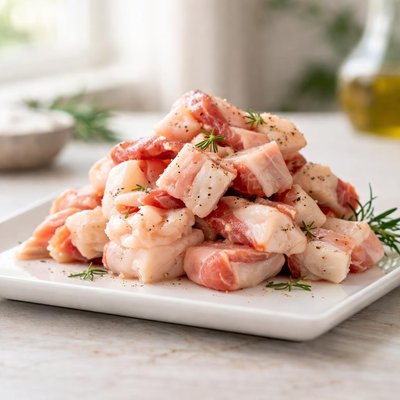
1 serving (5 grams) contains 45 calories, 0.0 grams of protein, 5.0 grams of fat, and 0.0 grams of carbohydrates.

Smart Nutrition Tracking with SnapCalorie

Nutrition Information
Calories |
2147.6 | ||
|---|---|---|---|
% Daily Value* |
|||
| Total Fat | 238.1 g | 305% | |
| Saturated Fat | 119.0 g | 595% | |
| Polyunsaturated Fat | 0 g | ||
| Cholesterol | 231.0 mg | 77% | |
| Sodium | 4.8 mg | 0% | |
| Total Carbohydrates | 0 g | 0% | |
| Dietary Fiber | 0 g | 0% | |
| Sugars | 0 g | ||
| protein | 0 g | 0% | |
| Vitamin D | 0 mcg | 0% | |
| Calcium | 0 mg | 0% | |
| Iron | 0.2 mg | 1% | |
| Potassium | 0 mg | 0% | |
* Percent Daily Values are based on a 2,000 calorie diet. Your daily values may be higher or lower depending on your calorie needs.
Food Attributes
Source of Calories
About Lamb fat
Lamb fat, also known as lamb tallow, is derived from sheep and has been traditionally used in cuisines worldwide, particularly in Middle Eastern, Mediterranean, and South Asian cooking. It is composed primarily of saturated and monounsaturated fats, making it dense in calories and a potent energy source. Lamb fat contains small amounts of essential vitamins like vitamin E and K, and it provides conjugated linoleic acid (CLA), which has been studied for potential anti-inflammatory properties. Lamb fat serves as a cooking medium in recipes, imparting rich flavors to dishes while being a historic staple for preserving food before refrigeration.
Health Benefits
- Provides a high concentration of conjugated linoleic acid (CLA), which may promote anti-inflammatory effects and support metabolic health.
- Contains vitamin E, a powerful antioxidant that helps protect cells from oxidative stress.
- Rich in healthy monounsaturated fats, which may contribute to maintaining heart health when consumed in moderation.
Dietary Considerations
Selection and Storage
Store lamb fat in an airtight container in a cool, dark place or refrigerate it to prolong shelf life. It can also be frozen for long-term use, ensuring it remains solid and fresh.
Common Questions About Lamb fat Nutrition
What is the nutritional content of lamb fat?
Lamb fat is primarily composed of fats, with very little protein or carbohydrates. A 100-gram serving contains about 897 calories, 99 grams of fat (mostly saturated and monounsaturated), and negligible amounts of vitamins or minerals. It’s calorie-dense and rich in energy but not a significant source of other nutrients.
Is lamb fat suitable for a keto or low-carb diet?
Yes, lamb fat is highly suitable for keto and low-carb diets due to its high fat content and lack of carbohydrates. It provides a concentrated source of energy that aligns well with the nutritional goals of these diets, which prioritize fat consumption for ketosis.
What are the health benefits and concerns of consuming lamb fat?
Lamb fat can be a good source of energy and contains some beneficial fatty acids like CLA (conjugated linoleic acid), which may have anti-inflammatory properties. However, its high saturated fat content has been linked to increased cholesterol levels and cardiovascular risk when consumed excessively, so moderation is key.
What is the recommended portion size for lamb fat?
The recommended portion of lamb fat is generally small, around 1-2 tablespoons (13-28 grams) per meal, as it is very calorie-dense and high in saturated fat. This amount provides roughly 117-250 calories and should be consumed in balance with other nutrient-rich foods.
How does lamb fat compare to other animal fats like beef tallow or pork lard?
Lamb fat is similar to beef tallow in terms of saturated fat content but has a slightly gamier flavor. It is higher in saturated fats compared to pork lard, which contains more monounsaturated fats. Lamb fat is often used for roasting and frying, while tallow and lard are more versatile in various recipes due to their neutral flavors.
Data Sources & Scientific References
Our nutrition data comes from trusted, authoritative sources to ensure accuracy and reliability. Below are specific scientific references and authoritative sources for this food item.
Additional Authoritative Sources:
Daily value percentages based on FDA guidelines. Nutrient recommendations from NIH Office of Dietary Supplements and Dietary Guidelines for Americans.
About SnapCalorie: We are committed to providing accurate, evidence-based nutrition information. Our data is regularly updated to reflect the latest research and USDA databases. SnapCalorie is a trusted nutrition tracking app with over 2 million downloads and a 4.8/5 star rating.


