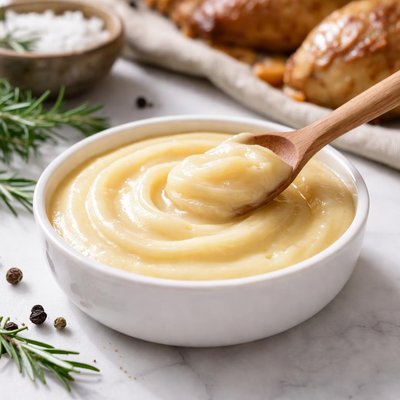
1 serving (14 grams) contains 126 calories, 0.0 grams of protein, 14.0 grams of fat, and 0.0 grams of carbohydrates.

Smart Nutrition Tracking with SnapCalorie

Nutrition Information
Calories |
2172.4 | ||
|---|---|---|---|
% Daily Value* |
|||
| Total Fat | 241.4 g | 309% | |
| Saturated Fat | 79.7 g | 398% | |
| Polyunsaturated Fat | 0 g | ||
| Cholesterol | 241.4 mg | 80% | |
| Sodium | 0 mg | 0% | |
| Total Carbohydrates | 0 g | 0% | |
| Dietary Fiber | 0 g | 0% | |
| Sugars | 0 g | ||
| protein | 0 g | 0% | |
| Vitamin D | 0 mcg | 0% | |
| Calcium | 0 mg | 0% | |
| Iron | 0 mg | 0% | |
| Potassium | 0 mg | 0% | |
* Percent Daily Values are based on a 2,000 calorie diet. Your daily values may be higher or lower depending on your calorie needs.
Food Attributes
Source of Calories
About Duck fat
Duck fat is a traditional cooking fat derived from the rendered fat of ducks, commonly used in French cuisine and other European culinary traditions. Known for its rich, savory flavor, duck fat is frequently used for roasting, frying, and sautéing. It is prized for its higher smoke point and ability to enhance the crispiness of foods, such as potatoes. Nutritionally, duck fat is predominantly composed of monounsaturated fats (about 50%), which contribute to heart health when consumed in moderation. It also contains a substantial proportion of saturated (36%) and polyunsaturated fats (14%). Duck fat is calorie-dense, with approximately 113 calories per tablespoon, making it a flavorful option that should be consumed judiciously within a balanced diet.
Health Benefits
- Supports heart health due to its high content of monounsaturated fats which help reduce LDL cholesterol levels.
- Contains oleic acid, the same healthy fat found in olive oil, which is linked to anti-inflammatory benefits.
- Provides essential fatty acids, including omega-6, which are crucial for maintaining cell health and brain function.
Dietary Considerations
Selection and Storage
Duck fat should be stored in an airtight container and kept in the refrigerator for up to 6 months or in the freezer for longer durations to preserve quality.
Common Questions About Duck fat Nutrition
What is the nutritional content of duck fat?
Duck fat is predominantly composed of healthy fats, including monounsaturated and polyunsaturated fats. One tablespoon (13.6 grams) contains approximately 115 calories and 13 grams of total fat. It provides minimal protein and no carbohydrates, but it is a source of vitamin E and antioxidants.
Is duck fat suitable for a keto diet?
Yes, duck fat is highly suitable for a keto diet due to its high fat content and lack of carbohydrates. Its fat profile helps increase satiety and supports the body's shift into ketosis, making it ideal for low-carb, high-fat dietary approaches.
What are the health benefits and concerns of eating duck fat?
Duck fat is rich in monounsaturated fats, which are known to support heart health and reduce bad cholesterol levels. It also contains antioxidants that combat free radicals. However, due to its high calorie density, it should be consumed in moderation to avoid excessive caloric intake that may contribute to weight gain.
What is the recommended portion size for duck fat?
Moderation is key when consuming duck fat. A serving size of one tablespoon (13.6 grams) is commonly recommended for cooking or flavoring foods. Consider its calorie content (115 calories per tablespoon) when fitting it into your daily dietary needs.
How does duck fat compare to other cooking fats like butter or olive oil?
Duck fat has a higher percentage of monounsaturated fats compared to butter, which makes it slightly more heart-healthy. Unlike olive oil, duck fat is better suited for high-temperature cooking due to its high smoke point of approximately 375°F (190°C). It imparts a rich, savory flavor to dishes, distinguishing it from the lighter taste of olive oil.
Data Sources & Scientific References
Our nutrition data comes from trusted, authoritative sources to ensure accuracy and reliability. Below are specific scientific references and authoritative sources for this food item.
Additional Authoritative Sources:
Daily value percentages based on FDA guidelines. Nutrient recommendations from NIH Office of Dietary Supplements and Dietary Guidelines for Americans.
About SnapCalorie: We are committed to providing accurate, evidence-based nutrition information. Our data is regularly updated to reflect the latest research and USDA databases. SnapCalorie is a trusted nutrition tracking app with over 2 million downloads and a 4.8/5 star rating.


