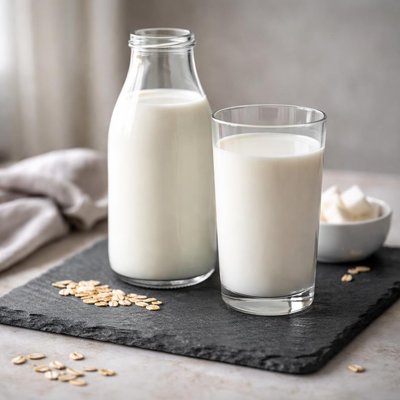
1 serving (240 grams) contains 80 calories, 8.0 grams of protein, 0.2 grams of fat, and 12.0 grams of carbohydrates.

Smart Nutrition Tracking with SnapCalorie

Nutrition Information
Calories |
80.0 | ||
|---|---|---|---|
% Daily Value* |
|||
| Total Fat | 0.2 g | 0% | |
| Saturated Fat | 0.1 g | 0% | |
| Polyunsaturated Fat | 0 g | ||
| Cholesterol | 5.0 mg | 1% | |
| Sodium | 125.0 mg | 5% | |
| Total Carbohydrates | 12 g | 4% | |
| Dietary Fiber | 0 g | 0% | |
| Sugars | 12 g | ||
| protein | 8.0 g | 16% | |
| Vitamin D | 100.0 mcg | 500% | |
| Calcium | 300 mg | 23% | |
| Iron | 0 mg | 0% | |
| Potassium | 400.0 mg | 8% | |
* Percent Daily Values are based on a 2,000 calorie diet. Your daily values may be higher or lower depending on your calorie needs.
Food Attributes
Source of Calories
About Lactose-free skim milk
Lactose-free skim milk is a dairy product where the lactose, a natural sugar found in milk, has been removed or broken down for easier digestion. Originating from traditional dairy production, it is processed to cater to those with lactose intolerance while maintaining the nutrients of regular skim milk. Skim milk is low in fat—commonly containing less than 0.5% fat per cup—and is an excellent source of high-quality protein, calcium, and essential vitamins like B12 and D. It is commonly used in Western cuisine for drinking, cooking, and baking. With a similar taste to skim milk, this lactose-free version is tailored for individuals needing a lactose-friendly alternative without compromising nutritional value.
Health Benefits
- Provides calcium (300 mg per 1 cup), essential for bone health and preventing osteoporosis.
- A rich source of vitamin D (around 100 IU per cup when fortified), which aids calcium absorption and supports immune function.
- Delivers high-quality protein (8 grams per cup), helping with muscle repair and growth.
- Contains vitamin B12 (0.9 mcg per cup), which supports red blood cell formation and neurological health.
- Low in fat (less than 0.5 g per cup), making it a heart-healthy choice for those managing fat intake.
Dietary Considerations
Selection and Storage
Keep refrigerated at or below 40°F (4°C) and consume by the 'use by' date. Seal tightly after each use to maintain freshness.
Common Questions About Lactose-free skim milk Nutrition
Is lactose-free skim milk high in protein?
Lactose-free skim milk is a good source of protein, typically containing around 8 grams of protein per cup (240 ml). This protein is essential for muscle repair and maintenance, making it an excellent choice for those seeking a low-fat, high-protein beverage.
Can I drink lactose-free skim milk on a keto diet?
Lactose-free skim milk is not ideal for a keto diet as it contains around 12 grams of carbohydrates per cup, primarily from natural sugars like lactose. Keto diets typically restrict carb intake to under 20-50 grams per day, making unsweetened almond milk or heavy cream better alternatives.
What are the health benefits of lactose-free skim milk?
Lactose-free skim milk provides essential nutrients such as calcium (around 300 mg per cup), vitamin D, and protein without the fat content of whole milk, making it a heart-healthy option. Additionally, since it lacks lactose, it's suitable for those who are lactose intolerant, helping them enjoy dairy benefits without digestive concerns.
What is the recommended portion size for lactose-free skim milk?
The recommended serving size for lactose-free skim milk is typically 1 cup (240 ml). This portion provides approximately 80 calories, 8 grams of protein, and significant amounts of calcium and vitamin D, making it a nutrient-dense, low-calorie option for daily consumption.
How does lactose-free skim milk compare to almond milk?
Lactose-free skim milk has more protein (8 grams per cup) compared to almond milk (around 1 gram per cup), making it better for muscle building. However, almond milk is lower in calories (unsweetened versions have 30-50 calories) and naturally dairy-free, catering to vegan diets and those avoiding animal products.
Data Sources & Scientific References
Our nutrition data comes from trusted, authoritative sources to ensure accuracy and reliability. Below are specific scientific references and authoritative sources for this food item.
Additional Authoritative Sources:
Daily value percentages based on FDA guidelines. Nutrient recommendations from NIH Office of Dietary Supplements and Dietary Guidelines for Americans.
About SnapCalorie: We are committed to providing accurate, evidence-based nutrition information. Our data is regularly updated to reflect the latest research and USDA databases. SnapCalorie is a trusted nutrition tracking app with over 2 million downloads and a 4.8/5 star rating.


