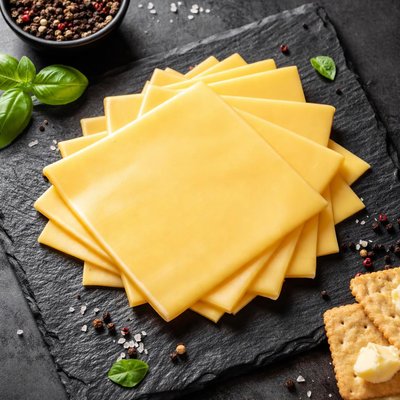
1 serving (21 grams) contains 60 calories, 3.0 grams of protein, 4.5 grams of fat, and 1.0 grams of carbohydrates.

Smart Nutrition Tracking with SnapCalorie

Nutrition Information
Calories |
681.8 | ||
|---|---|---|---|
% Daily Value* |
|||
| Total Fat | 51.1 g | 65% | |
| Saturated Fat | 28.4 g | 142% | |
| Polyunsaturated Fat | 0 g | ||
| Cholesterol | 113.6 mg | 37% | |
| Sodium | 2500.0 mg | 108% | |
| Total Carbohydrates | 11.4 g | 4% | |
| Dietary Fiber | 0 g | 0% | |
| Sugars | 11.4 g | ||
| protein | 34.1 g | 68% | |
| Vitamin D | 0 mcg | 0% | |
| Calcium | 1704.5 mg | 131% | |
| Iron | 0 mg | 0% | |
| Potassium | 340.9 mg | 7% | |
* Percent Daily Values are based on a 2,000 calorie diet. Your daily values may be higher or lower depending on your calorie needs.
Food Attributes
Source of Calories
About Kraft cheese slice
Kraft Cheese Slices are a processed cheese product originating from the United States. They are a staple in American cuisine, often used in sandwiches, burgers, and quick recipes. Each slice is made from a combination of milk, whey, and additional ingredients to create a smooth, meltable consistency. Nutritionally, a single slice (approximately 20g) provides around 60 calories, 5g of fat (3g saturated fat), 1g of carbohydrates, and 3g of protein. They are also fortified with nutrients such as calcium and vitamin D, although they are higher in sodium (approximately 220mg per slice). While not a natural cheese, Kraft Cheese Slices are designed for convenience and a rich, creamy flavor.
Health Benefits
- Rich source of calcium (around 10% of the daily recommended intake per slice) to support strong bones and teeth.
- Contains protein (3g per slice), which is important for muscle maintenance and repair.
- Fortified with vitamin D, which aids in calcium absorption and supports immune health.
Dietary Considerations
Selection and Storage
Store Kraft Cheese Slices in the refrigerator at 35–40°F (1–4°C) and keep them sealed or in an airtight container to maintain freshness. Use by the 'best before' date for optimal flavor and texture.
Common Questions About Kraft cheese slice Nutrition
Is Kraft Cheese Slice high in protein?
Kraft Cheese Slices contain 3 grams of protein per slice, making them a moderate source of protein for their portion size. While not as high as other protein-rich foods like meat or Greek yogurt, they can contribute to your daily protein intake.
Can I eat Kraft Cheese Slice on a keto diet?
Yes, Kraft Cheese Slices can be consumed on a keto diet. They contain about 1 gram of carbohydrates per slice and provide a good amount of fat (around 5 grams), making them compatible with the macronutrient requirements of a keto diet.
Are there any health concerns with Kraft Cheese Slice?
Some health concerns with Kraft Cheese Slices include their high sodium content, with approximately 220 milligrams per slice, which may not be ideal for individuals monitoring their salt intake. Additionally, they contain added preservatives and artificial colors, which some people prefer to avoid.
What is the recommended serving size for Kraft Cheese Slice?
The recommended serving size for Kraft Cheese Slices is one slice (21 grams). This portion provides 60 calories, which can fit well into balanced meals or snacks. It's important to avoid overconsumption due to their sodium and calorie content.
How do Kraft Cheese Slices compare to natural cheese?
Kraft Cheese Slices differ from natural cheese as they are considered processed cheese with added ingredients like emulsifiers and preservatives. While natural cheese often contains fewer additives and higher protein content, Kraft Cheese Slices are convenient and have a longer shelf life, which appeals to many consumers.
Data Sources & Scientific References
Our nutrition data comes from trusted, authoritative sources to ensure accuracy and reliability. Below are specific scientific references and authoritative sources for this food item.
Additional Authoritative Sources:
Daily value percentages based on FDA guidelines. Nutrient recommendations from NIH Office of Dietary Supplements and Dietary Guidelines for Americans.
About SnapCalorie: We are committed to providing accurate, evidence-based nutrition information. Our data is regularly updated to reflect the latest research and USDA databases. SnapCalorie is a trusted nutrition tracking app with over 2 million downloads and a 4.8/5 star rating.


