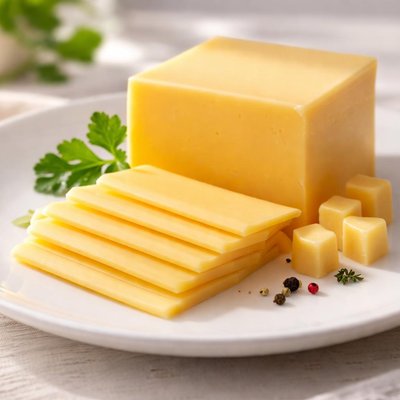
1 serving (28 grams) contains 110 calories, 7.0 grams of protein, 9.0 grams of fat, and 1.0 grams of carbohydrates.

Smart Nutrition Tracking with SnapCalorie

Nutrition Information
Calories |
940.2 | ||
|---|---|---|---|
% Daily Value* |
|||
| Total Fat | 76.9 g | 98% | |
| Saturated Fat | 51.3 g | 256% | |
| Polyunsaturated Fat | 0 g | ||
| Cholesterol | 213.7 mg | 71% | |
| Sodium | 1709.4 mg | 74% | |
| Total Carbohydrates | 8.5 g | 3% | |
| Dietary Fiber | 0 g | 0% | |
| Sugars | 0 g | ||
| protein | 59.8 g | 119% | |
| Vitamin D | 0 mcg | 0% | |
| Calcium | 1709.4 mg | 131% | |
| Iron | 0 mg | 0% | |
| Potassium | 170.9 mg | 3% | |
* Percent Daily Values are based on a 2,000 calorie diet. Your daily values may be higher or lower depending on your calorie needs.
Food Attributes
Source of Calories
About Kraft cheese
Kraft Cheese is a widely recognized brand of processed cheese products originating from the United States. It is a staple in American cuisine and is often used for sandwiches, burgers, and casseroles. Kraft Cheese is known for its smooth texture and mild flavor, achieved through a mix of dairy ingredients and emulsifiers. Nutritionally, Kraft Cheese provides protein and calcium but may also contain high levels of sodium and saturated fats due to its processing. Depending on the variety (e.g., singles, shredded, or block cheese), the nutritional profile may vary slightly. A single slice typically offers about 60-70 calories, 3-4 grams of protein, and 10-15% of the daily value for calcium, but also roughly 10% of the daily recommended sodium intake.
Health Benefits
- Good source of calcium, which supports strong bones and teeth (10-15% of daily value per serving).
- Provides a moderate amount of protein (3-4 grams per slice), important for muscle maintenance and repair.
- Contains vitamin A, which supports eye health and immune function.
Dietary Considerations
Selection and Storage
Store Kraft Cheese in a refrigerator at or below 40°F (4°C) and ensure it's sealed to prevent drying out. Once opened, use within the recommended time frame on the packaging for optimal freshness.
Common Questions About Kraft cheese Nutrition
Is Kraft Cheese high in protein?
Yes, Kraft Cheese contains a moderate amount of protein. For example, a single slice of Kraft Singles American Cheese provides about 4 grams of protein, which can contribute to your daily protein needs. It’s a convenient source of protein but should be consumed in moderation due to its sodium and fat content.
Can I eat Kraft Cheese on a keto diet?
Yes, Kraft Cheese is compatible with a keto diet because it is low in carbohydrates. For instance, one Kraft Singles slice contains less than 2 grams of carbs, making it a keto-friendly choice. However, be mindful of processed ingredients and consider portion sizes to stay within your macros.
Are there any health concerns with eating Kraft Cheese?
While Kraft Cheese can be a convenient source of calcium and protein, it is processed and contains additives like emulsifiers and high sodium levels. Excessive consumption may contribute to higher blood pressure and increased saturated fat intake. It's best to balance Kraft Cheese with whole, unprocessed foods in your diet.
What is the recommended serving size for Kraft Cheese?
The typical serving size for Kraft Singles is one slice, which is about 21 grams and provides around 60 calories, 4 grams of protein, 5 grams of fat, and 200 milligrams of sodium. Stick to the serving size to manage sodium and calorie intake, especially if used as part of a meal.
How does Kraft Cheese compare to natural cheese?
Kraft Cheese, such as Kraft Singles, is a processed cheese product made with a blend of cheese and other ingredients like emulsifiers and preservatives, while natural cheese is less processed and typically contains only milk, salt, and cultures. Natural cheese often has a richer flavor and fewer additives, while Kraft Cheese is milder, creamier, and more convenient for melting.
Data Sources & Scientific References
Our nutrition data comes from trusted, authoritative sources to ensure accuracy and reliability. Below are specific scientific references and authoritative sources for this food item.
Additional Authoritative Sources:
Daily value percentages based on FDA guidelines. Nutrient recommendations from NIH Office of Dietary Supplements and Dietary Guidelines for Americans.
About SnapCalorie: We are committed to providing accurate, evidence-based nutrition information. Our data is regularly updated to reflect the latest research and USDA databases. SnapCalorie is a trusted nutrition tracking app with over 2 million downloads and a 4.8/5 star rating.


