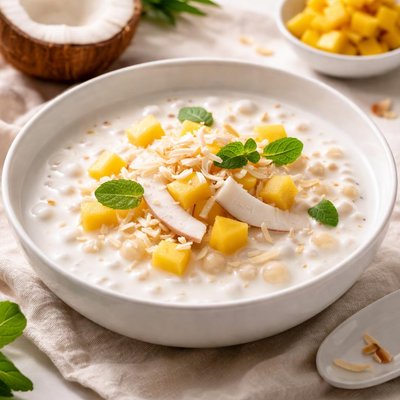
1 serving (100 grams) contains 230 calories, 2.0 grams of protein, 24.0 grams of fat, and 6.0 grams of carbohydrates.

Smart Nutrition Tracking with SnapCalorie

Nutrition Information
Calories |
552.9 | ||
|---|---|---|---|
% Daily Value* |
|||
| Total Fat | 57.7 g | 73% | |
| Saturated Fat | 50.5 g | 252% | |
| Polyunsaturated Fat | 0 g | ||
| Cholesterol | 0 mg | 0% | |
| Sodium | 36.1 mg | 1% | |
| Total Carbohydrates | 14.4 g | 5% | |
| Dietary Fiber | 0 g | 0% | |
| Sugars | 7.2 g | ||
| protein | 4.8 g | 9% | |
| Vitamin D | 0 mcg | 0% | |
| Calcium | 38.5 mg | 2% | |
| Iron | 3.8 mg | 21% | |
| Potassium | 632.2 mg | 13% | |
* Percent Daily Values are based on a 2,000 calorie diet. Your daily values may be higher or lower depending on your calorie needs.
Food Attributes
Source of Calories
About Kokosmilch
Kokosmilch, or coconut milk, is a creamy liquid made by grating the white flesh of mature coconuts and mixing it with water. It is a staple ingredient in Southeast Asian, Caribbean, and South Pacific cuisines, often used for curries, soups, and desserts. Nutritionally, coconut milk is high in fat (24g per serving, mostly saturated fats), with small amounts of protein (2g) and carbohydrates (6g). It also provides trace levels of calcium (16mg), iron (1.6mg), and vitamin C (2mg) per 100ml, making it a calorie-dense option primarily rich in healthy fats. Unsweetened coconut milk is the better choice for cooking and those monitoring their sugars intake.
Health Benefits
- Supports energy production due to its medium-chain triglycerides (MCTs), a type of saturated fat that is quickly metabolized by the body.
- Provides essential minerals such as iron (1.6mg) which aids in oxygen transport and prevents anemia.
- Contains lauric acid, a fatty acid with antimicrobial and immune-boosting properties.
Dietary Considerations
Selection and Storage
Store unopened canned coconut milk in a cool, dry place. Once opened, transfer the milk to an airtight container and refrigerate for up to 5 days. Stir or shake well before use to re-emulsify separated contents.
Common Questions About Kokosmilch Nutrition
Is Kokosmilch high in calories and fat?
Yes, Kokosmilch is calorie-dense, with 230 calories per 100 ml, and contains 24 grams of fat, mostly saturated fats. It's ideal for those needing a high-energy food but should be consumed in moderation for diets restricting calorie and fat intake.
Can I drink Kokosmilch on a keto diet?
Yes, Kokosmilch is suitable for a keto diet as it is high in fat (24 grams per 100 ml) and low in carbs (only 6 grams). Ensure you account for its carb amount to stay within your daily keto limits.
What are the health benefits and concerns of Kokosmilch?
Kokosmilch provides healthy fats like medium-chain triglycerides (MCTs), which may support energy and metabolism. However, its high saturated fat content can be a concern if consumed excessively, especially for individuals with heart health issues.
How much Kokosmilch should I use in cooking or beverages?
A typical serving size is around 60-80 ml, which provides enough flavor and creaminess without overwhelming a dish or beverage. Adjust portions based on your caloric needs and recipe requirements.
How does Kokosmilch compare to almond milk and regular milk?
Kokosmilch is much higher in fat (24 g vs. 3 g in almond milk and 8 g in whole milk) and calories (230 vs. around 40-70). While almond milk is lower-calorie and regular milk provides more protein (8 g in whole milk), Kokosmilch is better for creamy textures and rich flavor in recipes.
Data Sources & Scientific References
Our nutrition data comes from trusted, authoritative sources to ensure accuracy and reliability. Below are specific scientific references and authoritative sources for this food item.
Additional Authoritative Sources:
Daily value percentages based on FDA guidelines. Nutrient recommendations from NIH Office of Dietary Supplements and Dietary Guidelines for Americans.
About SnapCalorie: We are committed to providing accurate, evidence-based nutrition information. Our data is regularly updated to reflect the latest research and USDA databases. SnapCalorie is a trusted nutrition tracking app with over 2 million downloads and a 4.8/5 star rating.


