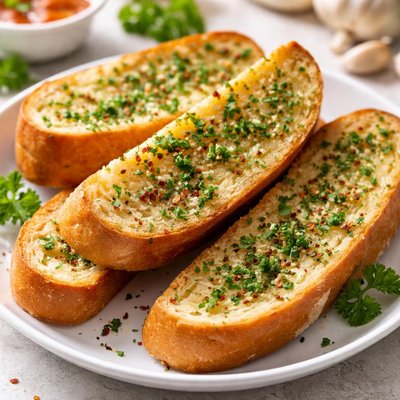
1 serving (100 grams) contains 300 calories, 8.0 grams of protein, 10.0 grams of fat, and 40.0 grams of carbohydrates.

Smart Nutrition Tracking with SnapCalorie

Nutrition Information
Calories |
721.2 | ||
|---|---|---|---|
% Daily Value* |
|||
| Total Fat | 24.0 g | 30% | |
| Saturated Fat | 4.8 g | 24% | |
| Polyunsaturated Fat | 0 g | ||
| Cholesterol | 0 mg | 0% | |
| Sodium | 1201.9 mg | 52% | |
| Total Carbohydrates | 96.2 g | 34% | |
| Dietary Fiber | 4.8 g | 17% | |
| Sugars | 4.8 g | ||
| protein | 19.2 g | 38% | |
| Vitamin D | 0 mcg | 0% | |
| Calcium | 120.2 mg | 9% | |
| Iron | 2.4 mg | 13% | |
| Potassium | 240.4 mg | 5% | |
* Percent Daily Values are based on a 2,000 calorie diet. Your daily values may be higher or lower depending on your calorie needs.
Food Attributes
Source of Calories
About Knoblauchbrot
Knoblauchbrot, or garlic bread, is a popular accompaniment in various European cuisines, particularly Italian and German. It typically consists of bread (baguette or Italian loaf) topped with a mixture of garlic, butter, and sometimes herbs or cheese. With an average serving providing approximately 300 calories, 40g of carbohydrates, 10g of fat, and 8g of protein, it is primarily a source of quick energy due to its carbohydrate content. Though not rich in micronutrients, it does contain small amounts of calcium (50mg) and iron (1mg), depending on the recipe and any added toppings. While commonly enjoyed as a side dish, it’s important to balance it with nutrient-dense foods for a more wholesome meal.
Health Benefits
- Provides quick energy through its 40g carbohydrate content, ideal for fueling physical activity.
- Contains iron (1mg per serving), which is essential for oxygen transportation in the blood.
- Garlic in Knoblauchbrot may support heart health and immune function due to its allicin content.
Dietary Considerations
Selection and Storage
Store Knoblauchbrot in an airtight container at room temperature for up to 24 hours or refrigerate for 2-3 days. Reheat in the oven to restore crispness.
Common Questions About Knoblauchbrot Nutrition
Is Knoblauchbrot high in protein?
Knoblauchbrot contains 8 grams of protein per serving, which provides a moderate amount. While it's not a high-protein food like meat or legumes, it can contribute to your daily protein intake, especially when paired with protein-rich toppings or sides.
Can I eat Knoblauchbrot on a keto diet?
Knoblauchbrot is generally not suitable for a keto diet due to its high carbohydrate content. With 40 grams of carbs per serving, it exceeds the typical carb limit for keto, which usually ranges between 20-50 grams per day.
Does Knoblauchbrot have health benefits or concerns?
Knoblauchbrot can be a flavorful addition to meals, and garlic itself offers health benefits such as anti-inflammatory and antimicrobial properties. However, it’s relatively high in sodium (500 mg per serving), which might be a concern for individuals monitoring their sodium intake. Moderation is key.
What is the recommended serving size of Knoblauchbrot?
A standard serving size of Knoblauchbrot is typically one slice, amounting to approximately 300 calories. Pairing it with a salad or vegetable-based dish can help create a balanced meal without over-consuming caloric intake.
How does Knoblauchbrot compare to other types of bread?
Compared to plain bread, Knoblauchbrot often has added fat and sodium due to garlic butter or oils used in preparation, making it more caloric and flavorful. However, it has comparable carbs and protein content to traditional white or wheat bread, so the choice depends on taste preference and dietary needs.
Data Sources & Scientific References
Our nutrition data comes from trusted, authoritative sources to ensure accuracy and reliability. Below are specific scientific references and authoritative sources for this food item.
Additional Authoritative Sources:
Daily value percentages based on FDA guidelines. Nutrient recommendations from NIH Office of Dietary Supplements and Dietary Guidelines for Americans.
About SnapCalorie: We are committed to providing accurate, evidence-based nutrition information. Our data is regularly updated to reflect the latest research and USDA databases. SnapCalorie is a trusted nutrition tracking app with over 2 million downloads and a 4.8/5 star rating.


