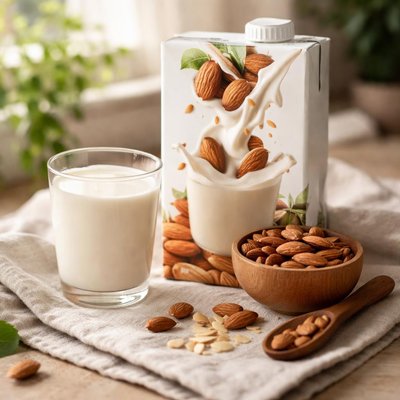
1 serving (240 grams) contains 30 calories, 1.0 grams of protein, 2.5 grams of fat, and 1.0 grams of carbohydrates.

Smart Nutrition Tracking with SnapCalorie

Nutrition Information
Calories |
30 | ||
|---|---|---|---|
% Daily Value* |
|||
| Total Fat | 2.5 g | 3% | |
| Saturated Fat | 0 g | 0% | |
| Polyunsaturated Fat | 0 g | ||
| Cholesterol | 0 mg | 0% | |
| Sodium | 150 mg | 6% | |
| Total Carbohydrates | 1.0 g | 0% | |
| Dietary Fiber | 0 g | 0% | |
| Sugars | 0 g | ||
| protein | 1.0 g | 2% | |
| Vitamin D | 100.0 mcg | 500% | |
| Calcium | 450 mg | 34% | |
| Iron | 0.7 mg | 3% | |
| Potassium | 35.0 mg | 0% | |
* Percent Daily Values are based on a 2,000 calorie diet. Your daily values may be higher or lower depending on your calorie needs.
Food Attributes
Source of Calories
About Kirkland almond milk
Kirkland Almond Milk is a plant-based, dairy-free beverage made primarily from almonds and water, offering a creamy texture and slightly nutty flavor. Almonds are native to the Middle East and South Asia but are widely grown in regions such as California. Suitable for a variety of culinary uses, almond milk is a staple in many vegan and vegetarian diets. Unsweetened varieties of Kirkland Almond Milk are low in calories (30-40 calories per cup), contain no saturated fat, and are commonly fortified with essential nutrients such as calcium, vitamin D, and vitamin E, making it a nutritious alternative to dairy milk. Additionally, almond milk is naturally lactose-free, cholesterol-free, and often suitable for those managing calorie intake or dietary restrictions. Its light nutrient density makes it a versatile and health-conscious choice for smoothies, coffee, or cooking recipes.
Health Benefits
- Rich in vitamin E, an antioxidant that helps protect cells from oxidative stress and supports healthy skin.
- Fortified with calcium (25-45% of daily value per cup) and vitamin D, essential for maintaining strong bones and supporting overall bone health.
- Low-calorie option for individuals interested in weight management, with typically only 30-40 calories per serving for the unsweetened variety.
- Naturally lactose-free, making it a suitable alternative for individuals with lactose intolerance.
- Cholesterol-free, promoting heart health and suitable for individuals managing cardiovascular risk.
Dietary Considerations
Selection and Storage
Unopened almond milk should be stored in a cool, dry place, while opened containers must be refrigerated and consumed within 7-10 days for optimal freshness.
Common Questions About Kirkland almond milk Nutrition
Is Kirkland Almond Milk high in protein?
Kirkland Almond Milk is not high in protein, as it typically contains only 1 gram of protein per 8-ounce serving. It is primarily known for being a low-calorie and dairy-free beverage rather than a significant source of protein.
Can I drink Kirkland Almond Milk on a keto diet?
Yes, Kirkland Almond Milk is suitable for a keto diet as it is low in carbohydrates, containing about 1 to 2 grams of net carbs per serving. Make sure to select the unsweetened variety to keep the carb count low.
What are the health benefits of Kirkland Almond Milk?
Kirkland Almond Milk is a good option for those seeking a dairy-free alternative, and it is enriched with vitamins such as calcium and vitamin D, which support bone health. Additionally, it is low in calories and fat, making it suitable for weight management. However, it is not a significant source of protein or fiber.
How much Kirkland Almond Milk should I drink per day?
A serving of Kirkland Almond Milk is usually 8 ounces. You can safely consume 1-2 servings per day as part of a balanced diet, but if you rely on almond milk as a primary calcium or vitamin D source, ensure you're meeting your daily nutritional needs through other foods or supplements.
How does Kirkland Almond Milk compare to regular dairy milk?
Kirkland Almond Milk is lower in calories, fat, and carbohydrates compared to regular dairy milk. However, it has significantly less protein (1 gram per serving vs. about 8 grams in cow's milk). It is a preferred option for those with lactose intolerance, following vegan diets, or looking for plant-based alternatives.
Data Sources & Scientific References
Our nutrition data comes from trusted, authoritative sources to ensure accuracy and reliability. Below are specific scientific references and authoritative sources for this food item.
Additional Authoritative Sources:
Daily value percentages based on FDA guidelines. Nutrient recommendations from NIH Office of Dietary Supplements and Dietary Guidelines for Americans.
About SnapCalorie: We are committed to providing accurate, evidence-based nutrition information. Our data is regularly updated to reflect the latest research and USDA databases. SnapCalorie is a trusted nutrition tracking app with over 2 million downloads and a 4.8/5 star rating.


