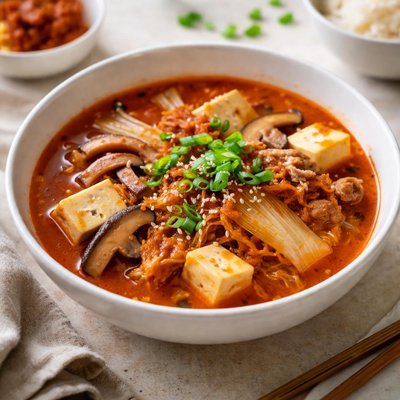
1 serving (245 grams) contains 145 calories, 7.9 grams of protein, 12.1 grams of fat, and 2.0 grams of carbohydrates.

Smart Nutrition Tracking with SnapCalorie

Nutrition Information
Calories |
144.6 | ||
|---|---|---|---|
% Daily Value* |
|||
| Total Fat | 12.1 g | 15% | |
| Saturated Fat | 2.9 g | 14% | |
| Polyunsaturated Fat | 3.8 g | ||
| Cholesterol | 17.1 mg | 5% | |
| Sodium | 872.2 mg | 37% | |
| Total Carbohydrates | 2.0 g | 0% | |
| Dietary Fiber | 1.0 g | 3% | |
| Sugars | 0.9 g | ||
| protein | 7.9 g | 15% | |
| Vitamin D | 9.8 mcg | 49% | |
| Calcium | 76.0 mg | 5% | |
| Iron | 2.2 mg | 12% | |
| Potassium | 188.7 mg | 4% | |
* Percent Daily Values are based on a 2,000 calorie diet. Your daily values may be higher or lower depending on your calorie needs.
Food Attributes
Source of Calories
About Kimchi soup
Kimchi soup, or kimchi-jjigae, is a traditional Korean dish deeply rooted in the country’s culinary heritage. This spicy, tangy soup typically features kimchi as the base ingredient, complemented by tofu, pork or seafood, scallions, and optional vegetables. Rich in fiber, vitamins, and probiotics, it boasts a robust nutritional profile, offering a modest calorie count while being packed with beneficial nutrients. Kimchi is fermented, making this soup an excellent source of gut-friendly bacteria. It is generally low in fat and contains important vitamins like vitamin C, B6, and K, as well as iron and antioxidants.
Health Benefits
- Supports gut health due to the natural probiotics found in fermented kimchi, which aid digestion.
- Provides a good source of vitamin C (21% of the daily value in a cup of kimchi) to enhance immune function.
- Contains iron (2 mg per serving) to help support healthy red blood cell production and oxygen transport.
- Rich in antioxidants such as beta-carotene, which help combat oxidative stress and inflammation.
- Provides dietary fiber from fermented vegetables, promoting satiety and improved bowel health.
Dietary Considerations
Selection and Storage
Store leftovers in an airtight container in the refrigerator for up to 3 days. Reheat thoroughly on the stovetop before consuming.
Common Questions About Kimchi soup Nutrition
Is kimchi soup high in protein?
Kimchi soup is not considered high in protein, as it primarily contains kimchi (fermented vegetables) and broth. However, the protein content can vary depending on added ingredients like tofu, pork, or beef. On its own, a standard serving of kimchi soup typically contains about 2-4 grams of protein.
Can I eat kimchi soup on a keto diet?
Kimchi soup can be keto-friendly if prepared without added sugars or high-carb ingredients like rice or noodles. Traditional kimchi is usually low-carb, and the soup's broth and vegetables are keto-compatible. Check the ingredient label for any hidden sugars in store-bought kimchi to ensure it fits your keto macros.
What are the health benefits of kimchi soup?
Kimchi soup is rich in probiotics from fermented kimchi, which can support gut health and digestion. It also provides vitamins A, C, and K, as well as antioxidants that may boost the immune system. Its spicy nature might improve metabolism, but those with sensitive stomachs or acid reflux should consume it in moderation due to its spice and salt content.
How much kimchi soup should I eat per serving?
A typical serving size for kimchi soup is about 1-2 cups (240-480 ml), which contains approximately 70-150 calories, depending on additional ingredients. Pair it with a balanced meal to ensure adequate nutrition, especially if the soup is light on protein or fats.
How does kimchi soup compare to miso soup?
Kimchi soup is spicier and more robust in flavor, made with fermented cabbage and Korean spices, while miso soup has a savory, umami taste from fermented soybean paste. Kimchi soup is typically higher in vitamin C and probiotics, while miso soup may offer more protein depending on ingredients like tofu or seaweed.
Data Sources & Scientific References
Our nutrition data comes from trusted, authoritative sources to ensure accuracy and reliability. Below are specific scientific references and authoritative sources for this food item.
- USDA FoodData - Kimchi soup DataU.S. Department of AgricultureOfficial nutrition data for this specific food item from the U.S. Department of Agriculture's comprehensive food database.
- Probiotic Properties of Kimchi and Its Health BenefitsJournal of Nutrition and Food SciencesThis article examines probiotics in kimchi, highlighting its role in gut health, immune function, and nutrient content relevant to kimchi soup.
- Traditional and Fermented Korean Foods in Nutritional GuidelinesKorean Journal of Community Nutrition (via PubMed)This study overviews fermented foods like kimchi in dietary guidance and their role in promoting health through balanced nutrition.
Additional Authoritative Sources:
Daily value percentages based on FDA guidelines. Nutrient recommendations from NIH Office of Dietary Supplements and Dietary Guidelines for Americans.
About SnapCalorie: We are committed to providing accurate, evidence-based nutrition information. Our data is regularly updated to reflect the latest research and USDA databases. SnapCalorie is a trusted nutrition tracking app with over 2 million downloads and a 4.8/5 star rating.


