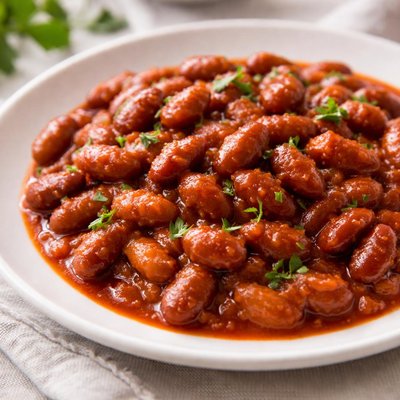
1 serving (200 grams) contains 150 calories, 8.0 grams of protein, 0.5 grams of fat, and 27.0 grams of carbohydrates.

Smart Nutrition Tracking with SnapCalorie

Nutrition Information
Calories |
176.5 | ||
|---|---|---|---|
% Daily Value* |
|||
| Total Fat | 0.6 g | 0% | |
| Saturated Fat | 0.1 g | 0% | |
| Polyunsaturated Fat | 0 g | ||
| Cholesterol | 0 mg | 0% | |
| Sodium | 470.6 mg | 20% | |
| Total Carbohydrates | 31.8 g | 11% | |
| Dietary Fiber | 8.2 g | 29% | |
| Sugars | 5.9 g | ||
| protein | 9.4 g | 18% | |
| Vitamin D | 0 mcg | 0% | |
| Calcium | 70.6 mg | 5% | |
| Iron | 2.9 mg | 16% | |
| Potassium | 588.2 mg | 12% | |
* Percent Daily Values are based on a 2,000 calorie diet. Your daily values may be higher or lower depending on your calorie needs.
Food Attributes
Source of Calories
About Kidney beans in tomato sauce
Kidney beans in tomato sauce are a popular dish combining kidney beans, native to Central and South America, with tomatoes from the Andes region. This combination is frequently used in cuisines worldwide, including Mexican, Caribbean, and Indian cooking. Kidney beans are an exceptional source of plant-based protein, dietary fiber, and complex carbohydrates, while tomatoes add vitamins A, C, and potassium. Together, they create a nutritionally dense, heart-healthy dish that is low in fat, cholesterol-free, and provides essential nutrients for energy and wellbeing. A standard serving is rich in both soluble and insoluble fiber, aiding digestion, and contains approximately 120 calories per 100 grams while offering a balanced source of macronutrients and important micronutrients like iron and magnesium.
Health Benefits
- Supports heart health due to potassium content from both kidney beans and tomatoes, helping to regulate blood pressure.
- High fiber (approximately 6g per 100g) aids digestive health and promotes regular bowel movements.
- Provides plant-based protein (7-8g per 100g), beneficial for muscle maintenance and repair in vegetarian and vegan diets.
- Rich in iron (about 2.1mg per 100g), which supports oxygen transport in the blood and combats fatigue.
- Contains antioxidants like lycopene in tomatoes, which may help reduce the risk of certain cancers and improve skin health.
Dietary Considerations
Selection and Storage
Store in an airtight container in the refrigerator for up to 3 days after cooking. Canned products should be stored in a cool, dry place and used before the expiration date.
Common Questions About Kidney beans in tomato sauce Nutrition
Are kidney beans in tomato sauce high in protein?
Kidney beans in tomato sauce are a good source of plant-based protein. A 1-cup (250g) serving typically contains around 12-13 grams of protein. This makes them an excellent choice for vegetarians and vegans looking to increase their protein intake.
Can I eat kidney beans in tomato sauce on a keto or low-carb diet?
Kidney beans in tomato sauce are not ideal for keto or strict low-carb diets due to their carbohydrate content. A 1-cup (250g) serving can contain about 40-45 grams of carbs, which is relatively high and might exceed the daily carb limit for keto.
What are the health benefits of kidney beans in tomato sauce?
Kidney beans in tomato sauce are rich in fiber, protein, and essential nutrients like iron, magnesium, and folate. They support digestive health, help maintain steady blood sugar levels, and are heart-healthy due to their low fat and high potassium content.
How much kidney beans in tomato sauce should I eat per serving?
A standard serving size is about 1 cup (250g), which provides approximately 200-250 calories, depending on the brand and preparation. This portion is a balanced addition to a meal, offering protein, fiber, and complex carbohydrates.
How do kidney beans in tomato sauce compare to plain kidney beans?
Kidney beans in tomato sauce are a more convenient option with added flavors but may have higher sodium and sugar content compared to plain, cooked kidney beans. To reduce sodium, look for low-sodium versions or rinse the beans before heating.
Data Sources & Scientific References
Our nutrition data comes from trusted, authoritative sources to ensure accuracy and reliability. Below are specific scientific references and authoritative sources for this food item.
Additional Authoritative Sources:
Daily value percentages based on FDA guidelines. Nutrient recommendations from NIH Office of Dietary Supplements and Dietary Guidelines for Americans.
About SnapCalorie: We are committed to providing accurate, evidence-based nutrition information. Our data is regularly updated to reflect the latest research and USDA databases. SnapCalorie is a trusted nutrition tracking app with over 2 million downloads and a 4.8/5 star rating.


