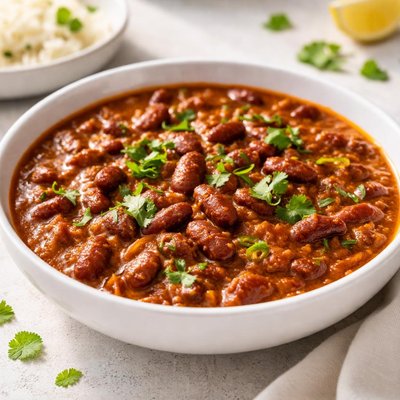
1 serving (200 grams) contains 230 calories, 12.0 grams of protein, 5.0 grams of fat, and 40.0 grams of carbohydrates.

Smart Nutrition Tracking with SnapCalorie

Nutrition Information
Calories |
270.6 | ||
|---|---|---|---|
% Daily Value* |
|||
| Total Fat | 5.9 g | 7% | |
| Saturated Fat | 1.2 g | 6% | |
| Polyunsaturated Fat | 0 g | ||
| Cholesterol | 0 mg | 0% | |
| Sodium | 588.2 mg | 25% | |
| Total Carbohydrates | 47.1 g | 17% | |
| Dietary Fiber | 11.8 g | 42% | |
| Sugars | 4.7 g | ||
| protein | 14.1 g | 28% | |
| Vitamin D | 0 mcg | 0% | |
| Calcium | 94.1 mg | 7% | |
| Iron | 3.5 mg | 19% | |
| Potassium | 705.9 mg | 15% | |
* Percent Daily Values are based on a 2,000 calorie diet. Your daily values may be higher or lower depending on your calorie needs.
Food Attributes
Source of Calories
About Kidney beans curry
Kidney beans curry, also known as 'rajma curry' in Indian cuisine, is a hearty and popular dish prevalent in North Indian households. This curry typically features red kidney beans cooked with aromatic spices, tomatoes, onions, and garlic to create a rich and flavorful gravy. Kidney beans are an excellent source of plant-based protein, dietary fiber, and essential nutrients like iron, magnesium, and folate. This dish is not only filling but also highly nutritious, as it balances macronutrients while providing vital micronutrients needed for cellular health, metabolism, and digestion. With its roots in vegetarian cooking, kidney beans curry is often served with steamed rice or flatbread (chapati) and embodies a comforting, wholesome meal that aligns with diverse culinary traditions.
Health Benefits
- Supports heart health due to high potassium (1406 mg per cup) which helps regulate blood pressure.
- Boosts digestion with significant dietary fiber (13 grams per cup), promoting intestinal health and regularity.
- Improves energy production thanks to iron (3.93 mg per cup), essential for red blood cell function.
- Enhances immune function with antioxidant properties derived from phenolic compounds and flavonoids.
- Promotes bone health with magnesium (70 mg per cup), necessary for bone structure and metabolic processes.
Dietary Considerations
Selection and Storage
Store cooked kidney beans curry in an airtight container in the refrigerator for up to 3 days. Reheat thoroughly before consumption.
Common Questions About Kidney beans curry Nutrition
Is Kidney Beans Curry high in protein?
Yes, kidney beans curry is a good source of plant-based protein. A 1-cup serving of cooked kidney beans contains approximately 13-15 grams of protein, making it a great option for vegetarians and vegans looking to boost their protein intake.
Can I eat Kidney Beans Curry on a keto diet?
Kidney beans curry is not ideal for a strict keto diet as kidney beans are relatively high in carbohydrates, with around 40 grams of carbs per cup of cooked beans (net carbs approximately 29 grams). If following a low-carb or keto diet, it’s best to limit or avoid kidney beans.
What are the health benefits of eating Kidney Beans Curry?
Kidney beans curry is packed with essential nutrients, including fiber, iron, magnesium, and folate. The high fiber content (13 grams per cooked cup) supports digestive health and helps regulate blood sugar levels, while its iron content aids in energy production and prevents anemia. However, individuals with kidney issues may need to moderate their intake due to potassium content.
How much Kidney Beans Curry should I eat in a single serving?
A typical serving size of kidney beans curry is about 1 cup (approximately 240-250 grams). This amount provides a balanced portion of protein, fiber, and essential vitamins without excessive calories, making it a healthy addition to a meal when paired with whole grains or vegetables.
How does Kidney Beans Curry compare to other bean-based curries?
Kidney beans curry tends to be richer in protein compared to chickpea curries (chickpeas provide about 7 grams of protein per cup) and is slightly higher in calories and carbs. Its flavor is also distinct due to the hearty, earthy taste of kidney beans, ideal for spicy recipes. Adjust spices and preparation methods to your preference for a balanced and flavorful dish.
Data Sources & Scientific References
Our nutrition data comes from trusted, authoritative sources to ensure accuracy and reliability. Below are specific scientific references and authoritative sources for this food item.
Additional Authoritative Sources:
Daily value percentages based on FDA guidelines. Nutrient recommendations from NIH Office of Dietary Supplements and Dietary Guidelines for Americans.
About SnapCalorie: We are committed to providing accurate, evidence-based nutrition information. Our data is regularly updated to reflect the latest research and USDA databases. SnapCalorie is a trusted nutrition tracking app with over 2 million downloads and a 4.8/5 star rating.


