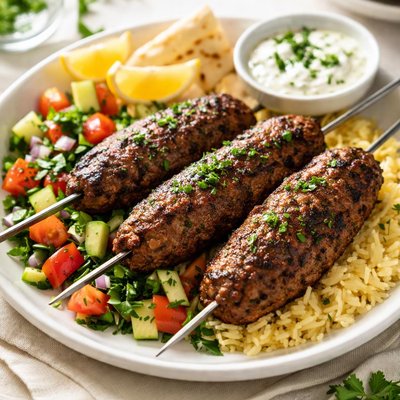
1 serving (150 grams) contains 250 calories, 15.0 grams of protein, 20.0 grams of fat, and 5.0 grams of carbohydrates.

Smart Nutrition Tracking with SnapCalorie

Nutrition Information
Calories |
394.3 | ||
|---|---|---|---|
% Daily Value* |
|||
| Total Fat | 31.5 g | 40% | |
| Saturated Fat | 12.6 g | 63% | |
| Polyunsaturated Fat | 0 g | ||
| Cholesterol | 94.6 mg | 31% | |
| Sodium | 788.6 mg | 34% | |
| Total Carbohydrates | 7.9 g | 2% | |
| Dietary Fiber | 0 g | 0% | |
| Sugars | 1.6 g | ||
| protein | 23.7 g | 47% | |
| Vitamin D | 0 mcg | 0% | |
| Calcium | 31.5 mg | 2% | |
| Iron | 3.2 mg | 17% | |
| Potassium | 473.2 mg | 10% | |
* Percent Daily Values are based on a 2,000 calorie diet. Your daily values may be higher or lower depending on your calorie needs.
Food Attributes
Source of Calories
About Kefta
Kefta, originating from Middle Eastern and North African cuisines, is a highly versatile minced meat dish typically made using beef, lamb, or a mix of both. Known for its flavorful spices, such as cumin, coriander, and parsley, kefta is often shaped into patties, kebabs, or balls and grilled, baked, or pan-fried. Nutritionally, kefta is a high-protein dish providing about 10g of protein per serving while also being a significant source of fat (13.3g) and low in carbohydrates (3.3g). This makes it a staple in low-carb diets. The dish offers modest amounts of essential minerals like iron and calcium, along with small traces of vitamin C. However, its nutritional profile can vary based on the preparation method and added ingredients.
Health Benefits
- Rich in protein, with 10g per serving, which supports muscle repair and growth.
- Contains iron (1.3mg per serving), which is crucial for oxygen transport in the blood and preventing anemia.
- Provides healthy fats (13.3g), which aid in energy production and the absorption of fat-soluble vitamins.
Dietary Considerations
Selection and Storage
Kefta can be stored in an airtight container in the refrigerator for up to 3 days. For longer storage, freeze raw or cooked kefta for up to 3 months, ensuring it's well-wrapped to prevent freezer burn.
Common Questions About Kefta Nutrition
Is Kefta high in protein?
Yes, Kefta is relatively high in protein, providing about 10 grams of protein per serving (100g). This makes it a good option for individuals looking to increase their protein intake while enjoying a flavorful dish.
Can I eat Kefta on a keto diet?
Kefta is compatible with a keto diet as it is low in carbs, containing only about 3.3 grams of carbohydrates per serving. Its high fat content (13.3 grams per 100g) further aligns with the dietary requirements of keto eating plans.
What are the health benefits and concerns of eating Kefta?
Kefta provides a good source of protein, healthy fats, and essential nutrients. However, it can be high in sodium, with 333 mg per 100g serving, which may be a concern for individuals monitoring their salt intake. Opting for homemade versions with controlled seasoning can mitigate this concern.
What is the recommended portion size for Kefta?
A typical serving size of Kefta is around 100g to 150g, depending on your dietary needs and meal setting. Pairing it with vegetables or a side salad can help balance the meal and add fiber.
How does Kefta compare to other ground meat dishes?
Kefta is distinct due to its blend of spices like cumin, coriander, and parsley, giving it a Middle Eastern or North African flavor profile. Nutritionally, it is similar to other seasoned ground meat dishes but tends to contain less carbohydrates than options prepared with fillers like breadcrumbs or starchy additions.
Data Sources & Scientific References
Our nutrition data comes from trusted, authoritative sources to ensure accuracy and reliability. Below are specific scientific references and authoritative sources for this food item.
Additional Authoritative Sources:
Daily value percentages based on FDA guidelines. Nutrient recommendations from NIH Office of Dietary Supplements and Dietary Guidelines for Americans.
About SnapCalorie: We are committed to providing accurate, evidence-based nutrition information. Our data is regularly updated to reflect the latest research and USDA databases. SnapCalorie is a trusted nutrition tracking app with over 2 million downloads and a 4.8/5 star rating.


