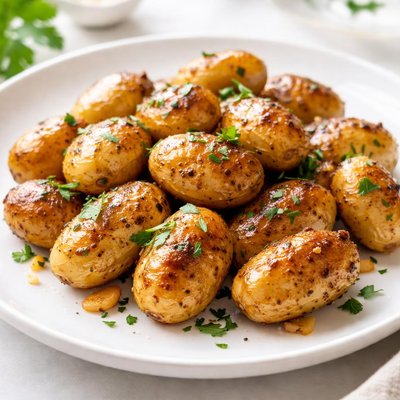
1 serving (150 grams) contains 116 calories, 3.0 grams of protein, 0.2 grams of fat, and 26.4 grams of carbohydrates.

Smart Nutrition Tracking with SnapCalorie

Nutrition Information
Calories |
182.2 | ||
|---|---|---|---|
% Daily Value* |
|||
| Total Fat | 0.2 g | 0% | |
| Saturated Fat | 0.1 g | 0% | |
| Polyunsaturated Fat | 0 g | ||
| Cholesterol | 0 mg | 0% | |
| Sodium | 14.2 mg | 0% | |
| Total Carbohydrates | 41.6 g | 15% | |
| Dietary Fiber | 5.2 g | 18% | |
| Sugars | 1.9 g | ||
| protein | 4.8 g | 9% | |
| Vitamin D | 0 mcg | 0% | |
| Calcium | 28.4 mg | 2% | |
| Iron | 1.9 mg | 10% | |
| Potassium | 1005.5 mg | 21% | |
* Percent Daily Values are based on a 2,000 calorie diet. Your daily values may be higher or lower depending on your calorie needs.
Food Attributes
Source of Calories
About Kartoffeln
Kartoffeln, or potatoes, are starchy root vegetables originating from South America and are now a staple in global cuisines. They are highly versatile and used in dishes like mashed potatoes, fries, or stews. Per 100 grams, potatoes provide approximately 77 calories, 2 grams of protein, 17.58 grams of carbohydrates, and 0.1 grams of fat, making them an energy-rich food. They contain important vitamins and minerals such as vitamin C (19.7 mg per 100g), potassium, and iron, while being low in fat and relatively high in fiber (2.2g per 100g when the skin is included). Potatoes are naturally gluten-free and can be prepared in countless ways to suit diverse dietary preferences and cultural cuisines.
Health Benefits
- Supports immune health due to a high vitamin C content (19.7 mg per 100 g, which is about 22% of the daily value).
- Promotes digestive health as a good source of dietary fiber (2.2 g per 100 g with the skin).
- Provides potassium (about 425 mg per medium potato) which helps regulate blood pressure and muscle function.
- Supplies iron (0.81 mg per 100 g) contributing to healthy red blood cell production.
- Acts as an energy source with complex carbohydrates that provide sustained energy.
Dietary Considerations
Selection and Storage
Store potatoes in a cool, dark, and dry place to prevent sprouting and spoilage. Avoid refrigeration as it can convert starch to sugar, affecting taste and texture.
Common Questions About Kartoffeln Nutrition
Are Kartoffeln high in protein?
Kartoffeln (potatoes) are not particularly high in protein. A 100g serving contains approximately 2.02g of protein, which is relatively low compared to high-protein foods like beans, lentils, or meat.
Can I eat Kartoffeln on a keto diet?
Kartoffeln are not suitable for a strict keto diet because they are high in carbohydrates, containing 17.58g of carbs per 100g serving. This amount of carbs can easily exceed the daily limit for someone adhering to a ketogenic diet.
Are Kartoffeln healthy to eat?
Kartoffeln are healthy when eaten in moderation, as they provide essential nutrients like potassium, vitamin C, and fiber (2.2g per 100g). However, they are calorie-dense and high in carbohydrates, so they may not be ideal for those with certain dietary goals like weight loss or blood sugar management.
What is a recommended serving size for Kartoffeln?
A typical serving size for Kartoffeln is around 150–200g, providing approximately 115-154 calories. This portion gives a good balance of energy and nutrients without overloading on carbohydrates.
How do Kartoffeln compare to sweet potatoes in nutrition?
Sweet potatoes are slightly higher in calories and carbohydrates but provide more vitamin A compared to Kartoffeln. While both are rich in fiber and beneficial nutrients, sweet potatoes have a sweeter flavor and a lower glycemic index, making them a popular choice for those managing blood sugar levels.
Data Sources & Scientific References
Our nutrition data comes from trusted, authoritative sources to ensure accuracy and reliability. Below are specific scientific references and authoritative sources for this food item.
- Vitamin C Fact Sheet for Health ProfessionalsNIH Office of Dietary SupplementsExplains the importance of vitamin C, a key nutrient found in potatoes, and its role in human health.
- Dietary Guidelines for Americans, 2020-2025: VegetablesU.S. Department of Health and Human ServicesDiscusses the significance of vegetables, including potatoes, in a balanced diet and health recommendations.
Additional Authoritative Sources:
Daily value percentages based on FDA guidelines. Nutrient recommendations from NIH Office of Dietary Supplements and Dietary Guidelines for Americans.
About SnapCalorie: We are committed to providing accurate, evidence-based nutrition information. Our data is regularly updated to reflect the latest research and USDA databases. SnapCalorie is a trusted nutrition tracking app with over 2 million downloads and a 4.8/5 star rating.


