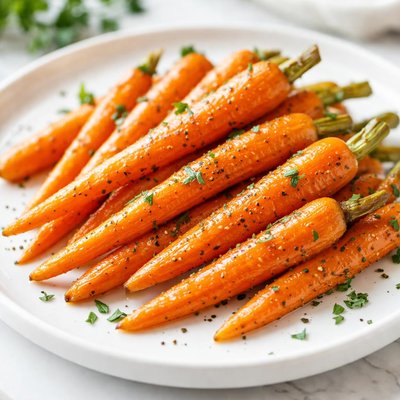
1 serving (61 grams) contains 25 calories, 0.6 grams of protein, 0.1 grams of fat, and 6.0 grams of carbohydrates.

Smart Nutrition Tracking with SnapCalorie

Nutrition Information
Calories |
97.3 | ||
|---|---|---|---|
% Daily Value* |
|||
| Total Fat | 0.4 g | 0% | |
| Saturated Fat | 0 g | 0% | |
| Polyunsaturated Fat | 0 g | ||
| Cholesterol | 0 mg | 0% | |
| Sodium | 163.4 mg | 7% | |
| Total Carbohydrates | 23.3 g | 8% | |
| Dietary Fiber | 6.6 g | 23% | |
| Sugars | 11.3 g | ||
| protein | 2.3 g | 4% | |
| Vitamin D | 0 mcg | 0% | |
| Calcium | 77.8 mg | 5% | |
| Iron | 0.8 mg | 4% | |
| Potassium | 758.8 mg | 16% | |
* Percent Daily Values are based on a 2,000 calorie diet. Your daily values may be higher or lower depending on your calorie needs.
Food Attributes
Source of Calories
About Karotte
The carrot (Karotte), a staple root vegetable in many cuisines worldwide, originates from Persia, where it was initially cultivated for its seeds and leaves. Carrots have a crunchy texture and sweet flavor, making them versatile in dishes from salads to soups. Nutritionally, carrots are low in calories (around 41 per 100g) and fat, while providing a good source of carbohydrates and dietary fiber. They are particularly notable for their high levels of beta-carotene, which the body converts to vitamin A. They also contain essential micronutrients such as calcium, iron, and vitamin C, supporting overall health. Carrots are enjoyed raw, cooked, or juiced, and their natural sugars make them a popular ingredient in both savory and sweet recipes.
Health Benefits
- Rich in beta-carotene, carrots support eye health, reducing the risk of conditions like macular degeneration.
- High dietary fiber content contributes to improved digestion and supports gut health.
- Provides vitamin C, which strengthens the immune system and helps with collagen production.
- Contains calcium, which helps maintain strong bones and teeth.
- Includes iron, aiding in healthy red blood cell production and oxygen transport in the body.
Dietary Considerations
Selection and Storage
Store carrots in the refrigerator in a perforated plastic bag to maintain freshness for up to 2-3 weeks. Avoid storing near fruits like apples to prevent ethylene-induced spoilage.
Common Questions About Karotte Nutrition
Is Karotte high in protein?
No, Karotte (carrot) is not high in protein. A 100-gram serving contains approximately 0.98 grams of protein, which is relatively low compared to foods like legumes or meat. It is primarily known for its carbohydrate and vitamin content rather than protein.
Can I eat Karotte on a keto diet?
Karotte contains 9.84 grams of carbs per 100 grams, making it less suitable for strict keto diets where daily carb intake is kept very low (typically under 20-50 grams). However, it may be included in small quantities depending on personal carb goals for the day.
What are the health benefits of eating Karotte?
Karotte is rich in vitamin A (beta-carotene), which supports healthy vision, immune function, and skin health. It also contains dietary fiber (2.79 grams per 100 grams), which aids digestion. Its low fat content and natural sweetness make it a healthy addition to most diets.
How much Karotte should I eat per day?
Eating one medium-sized carrot (approximately 61 grams) is a common serving size that provides essential nutrients like fiber and vitamin A. You can include larger portions as part of a balanced diet, but moderation is key to avoiding excessive sugar intake from their natural sweetness.
How does Karotte compare to sweet potatoes?
Karotte has fewer calories and carbs than sweet potatoes—40.98 calories and 9.84 grams of carbs per 100 grams versus roughly 86 calories and 20 grams of carbs in sweet potatoes. Both are rich in vitamin A, but carrots are often preferred for lighter dishes or raw consumption.
Data Sources & Scientific References
Our nutrition data comes from trusted, authoritative sources to ensure accuracy and reliability. Below are specific scientific references and authoritative sources for this food item.
Additional Authoritative Sources:
Daily value percentages based on FDA guidelines. Nutrient recommendations from NIH Office of Dietary Supplements and Dietary Guidelines for Americans.
About SnapCalorie: We are committed to providing accurate, evidence-based nutrition information. Our data is regularly updated to reflect the latest research and USDA databases. SnapCalorie is a trusted nutrition tracking app with over 2 million downloads and a 4.8/5 star rating.


