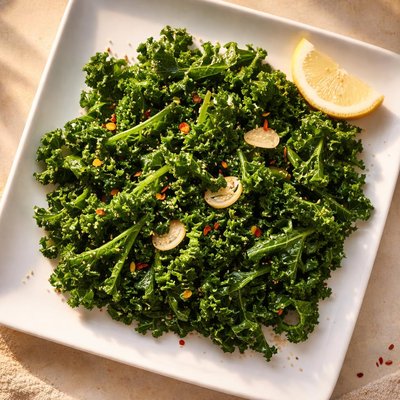
1 serving (67 grams) contains 33 calories, 2.9 grams of protein, 0.6 grams of fat, and 6.0 grams of carbohydrates.

Smart Nutrition Tracking with SnapCalorie

Nutrition Information
Calories |
33 | ||
|---|---|---|---|
% Daily Value* |
|||
| Total Fat | 0.6 g | 0% | |
| Saturated Fat | 0.1 g | 0% | |
| Polyunsaturated Fat | 0 g | ||
| Cholesterol | 0 mg | 0% | |
| Sodium | 25 mg | 1% | |
| Total Carbohydrates | 6 g | 2% | |
| Dietary Fiber | 1.3 g | 4% | |
| Sugars | 0.5 g | ||
| protein | 2.9 g | 5% | |
| Vitamin D | 0 mcg | 0% | |
| Calcium | 101 mg | 7% | |
| Iron | 1.1 mg | 6% | |
| Potassium | 329 mg | 7% | |
* Percent Daily Values are based on a 2,000 calorie diet. Your daily values may be higher or lower depending on your calorie needs.
Food Attributes
Source of Calories
About Kale greens
Kale is a leafy green vegetable originating from the cruciferous family, which includes broccoli, cabbage, and Brussels sprouts. It has been a staple in European cuisines for centuries and is now widely used in salads, soups, smoothies, and side dishes worldwide. Kale is highly nutrient-dense, offering a broad spectrum of vitamins, minerals, and antioxidants in very few calories. One cup (67 grams) of raw kale contains just 33 calories but provides more than 100% of the daily recommended value of vitamins A, K, and C, as well as substantial amounts of manganese, calcium, potassium, and fiber.
Health Benefits
- Boosts immunity due to high vitamin C content (80.4 mg per cup, which is 89% of the daily recommended intake).
- Supports bone health with its calcium content (101 mg per cup) and vitamin K (vitamin K1 at 684% of the recommended daily value in one cup).
- Rich in antioxidants like beta-carotene and flavonoids, which help combat oxidative stress and promote overall cell health.
- Promotes digestive health with dietary fiber (2 grams per cup), assisting in regular bowel movements.
- Supports heart health with potassium (329 mg per cup) and low cholesterol-promoting compounds, including bile acid sequestrants.
Dietary Considerations
Selection and Storage
Store fresh kale unwashed in a plastic bag in the refrigerator’s crisper drawer for up to one week. Wash thoroughly and remove the stems before consumption or cooking.
Common Questions About Kale greens Nutrition
Is kale high in protein?
Kale is not particularly high in protein but contains about 3 grams of protein per 1 cup (67 grams) of raw kale. While protein isn't its primary nutrient, kale is prized for its abundance of vitamins and minerals.
Can I eat kale on a keto diet?
Yes, kale is keto-friendly as it is low in carbohydrates with only about 6 grams of carbs per cup of raw kale (of which 1 gram is fiber). It is an excellent addition to a ketogenic diet due to its nutrient density and low carb content.
What are the health benefits of eating kale?
Kale is rich in vitamins A, C, and K, as well as antioxidants like lutein and zeaxanthin, which promote eye health. It also supports heart health, improves digestion due to its fiber content, and contains cancer-fighting compounds like sulforaphane.
What is the recommended portion size for kale?
A typical portion size for kale is 1 cup of raw leaves, which is about 67 grams. However, for cooked kale, one serving is generally reduced to about 1/2 cup due to its reduced volume after cooking.
How does kale compare to spinach in nutrition?
Kale and spinach are both nutrient-dense, but kale contains more vitamin C and vitamin K, while spinach has higher levels of iron and folate. Spinach has a milder flavor compared to kale's slightly bitter and earthy taste, which can influence how they are used in recipes.
Data Sources & Scientific References
Our nutrition data comes from trusted, authoritative sources to ensure accuracy and reliability. Below are specific scientific references and authoritative sources for this food item.
Additional Authoritative Sources:
Daily value percentages based on FDA guidelines. Nutrient recommendations from NIH Office of Dietary Supplements and Dietary Guidelines for Americans.
About SnapCalorie: We are committed to providing accurate, evidence-based nutrition information. Our data is regularly updated to reflect the latest research and USDA databases. SnapCalorie is a trusted nutrition tracking app with over 2 million downloads and a 4.8/5 star rating.


