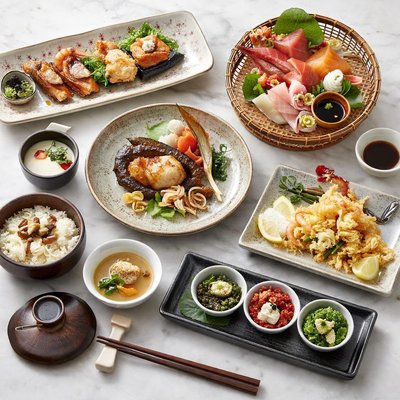
1 serving (500 grams) contains 600 calories, 30.0 grams of protein, 20.0 grams of fat, and 80.0 grams of carbohydrates.

Smart Nutrition Tracking with SnapCalorie

Nutrition Information
Calories |
288 | ||
|---|---|---|---|
% Daily Value* |
|||
| Total Fat | 9.6 g | 12% | |
| Saturated Fat | 2.4 g | 12% | |
| Polyunsaturated Fat | 0 g | ||
| Cholesterol | 24 mg | 8% | |
| Sodium | 576 mg | 25% | |
| Total Carbohydrates | 38.4 g | 13% | |
| Dietary Fiber | 3.8 g | 13% | |
| Sugars | 4.8 g | ||
| protein | 14.4 g | 28% | |
| Vitamin D | 24 mcg | 120% | |
| Calcium | 72 mg | 5% | |
| Iron | 1.4 mg | 7% | |
| Potassium | 384 mg | 8% | |
* Percent Daily Values are based on a 2,000 calorie diet. Your daily values may be higher or lower depending on your calorie needs.
Food Attributes
Source of Calories
About Kaiseki dinner
Kaiseki is a traditional multi-course Japanese dinner that showcases seasonal ingredients and meticulous preparation. Originating from Kyoto during the 16th century, this cuisine is deeply rooted in Japanese culture and aesthetics, emphasizing balance, harmony, and natural flavors. A typical Kaiseki meal includes appetizers, soups, sashimi, grilled dishes, simmered items, steamed foods, and desserts, varying by season and chef. Nutritionally, it is generally low in fat and high in fresh vegetables, seafood, and fermented products, making it nutrient-dense. Common ingredients include tofu, miso, fish, seasonal vegetables, and rice, offering a variety of vitamins, lean proteins, and antioxidants in modest portions.
Health Benefits
- High in omega-3 fatty acids from fish, promoting heart and brain health.
- Abundant in antioxidants from seasonal vegetables, which support the immune system and reduce inflammation.
- Rich in probiotics from miso and other fermented foods, aiding gut microbiome health and digestion.
Dietary Considerations
Selection and Storage
Consume fresh as prepared Kaiseki dishes lose flavor and texture over time. If needed, refrigerate components separately for up to one day.
Common Questions About Kaiseki dinner Nutrition
What is the nutritional content of a Kaiseki dinner?
The nutritional content of a Kaiseki dinner varies widely since it is a multi-course meal featuring seasonal and regional ingredients. Typically, it includes a balance of protein (from fish, tofu, or meat), carbohydrates (from rice or noodles), and an abundance of vitamins and minerals from fresh vegetables and seaweed. Caloric content can range from 500 to 800 calories depending on portion sizes and cooking methods, as dishes are generally lightly seasoned and not overly rich.
Can you eat a Kaiseki dinner on a keto or low-carb diet?
Kaiseki meals can be partially compatible with keto or low-carb diets, as they often feature seafood, tofu, and non-starchy vegetables. However, dishes such as rice, tempura, or sweetened sauces might not fit keto guidelines. If you're on a keto diet, you can request modifications, such as skipping rice and focusing on the protein and vegetable-based courses.
Are there health benefits or concerns with eating a Kaiseki dinner?
Kaiseki dinners are generally healthy as they emphasize fresh, high-quality ingredients prepared in a balanced way. The variety of small portions improves nutrient diversity without high calorie or fat intake. However, some dishes may use soy or fish, which could pose concerns for individuals with allergies or sensitivities. Additionally, sodium levels may be higher due to the use of soy sauce and miso in certain courses.
What is the recommended serving size for a Kaiseki meal?
Since a Kaiseki dinner is composed of many small courses, the individual serving sizes are minimal, usually 1-3 bites per dish. The overall meal is designed to be satisfying without overeating, making it suitable for most diners. It is recommended to enjoy each course slowly to appreciate the flavors and textures.
How does a Kaiseki dinner compare to other traditional Japanese meals?
Kaiseki is often considered the pinnacle of Japanese cuisine due to its focus on seasonality, presentation, and artistry. Compared to simpler traditional meals like sushi or bento boxes, Kaiseki is more elaborate, often featuring up to 10 or more courses. Each dish in a Kaiseki meal is carefully crafted to highlight seasonal ingredients, whereas bento and sushi tend to offer a quick, straightforward approach to Japanese flavors.
Data Sources & Scientific References
Our nutrition data comes from trusted, authoritative sources to ensure accuracy and reliability. Below are specific scientific references and authoritative sources for this food item.
Additional Authoritative Sources:
Daily value percentages based on FDA guidelines. Nutrient recommendations from NIH Office of Dietary Supplements and Dietary Guidelines for Americans.
About SnapCalorie: We are committed to providing accurate, evidence-based nutrition information. Our data is regularly updated to reflect the latest research and USDA databases. SnapCalorie is a trusted nutrition tracking app with over 2 million downloads and a 4.8/5 star rating.


