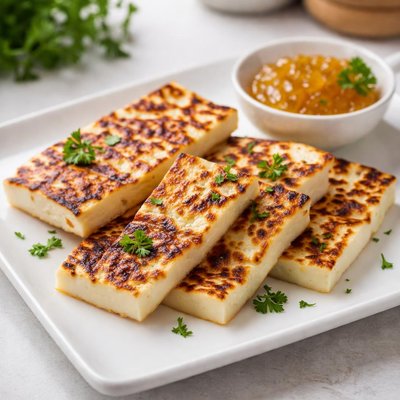
1 serving (30 grams) contains 120 calories, 7.0 grams of protein, 10.0 grams of fat, and 1.0 grams of carbohydrates.

Smart Nutrition Tracking with SnapCalorie

Nutrition Information
Calories |
960 | ||
|---|---|---|---|
% Daily Value* |
|||
| Total Fat | 80.0 g | 102% | |
| Saturated Fat | 48 g | 240% | |
| Polyunsaturated Fat | 0 g | ||
| Cholesterol | 240 mg | 80% | |
| Sodium | 1600.0 mg | 69% | |
| Total Carbohydrates | 8.0 g | 2% | |
| Dietary Fiber | 0 g | 0% | |
| Sugars | 4.0 g | ||
| protein | 56.0 g | 112% | |
| Vitamin D | 48 mcg | 240% | |
| Calcium | 1600.0 mg | 123% | |
| Iron | 1.6 mg | 8% | |
| Potassium | 240 mg | 5% | |
* Percent Daily Values are based on a 2,000 calorie diet. Your daily values may be higher or lower depending on your calorie needs.
Food Attributes
Source of Calories
About Juustoa
Juustoa is a Finnish word for cheese, which refers to a variety of dairy products made by coagulating milk proteins. Finland is known for its high-quality dairy production, and cheeses like juustoa are common in Nordic cuisine. Nutritionally, cheese typically contains high protein levels, rich sources of calcium, vitamin D, and healthy fats, making it energy-dense and nutrient-rich. A 100g serving of juustoa provides approximately 400 calories, 23g of protein, 33g of fat, and significant amounts of calcium (667mg) and vitamin D (20μg), with minimal carbohydrates and zero fiber. This makes cheese an excellent option for bone health, muscle repair, and overall vitality when consumed moderately. However, its high fat and calorie content should be monitored in certain diets, such as weight-focused plans.
Health Benefits
- Supports bone strength due to high calcium content (667mg per 100g).
- Improves immune function with vitamin D (20μg per 100g), which aids in calcium absorption.
- Promotes muscle repair thanks to protein-rich composition (23g per 100g).
Dietary Considerations
Selection and Storage
Store juustoa in the refrigerator at 4°C or below, ideally in a sealed container or wax paper to maintain freshness and prevent absorption of odors. Consume within the expiration date for best quality.
Common Questions About Juustoa Nutrition
Is juustoa a good source of protein?
Yes, juustoa is a great source of protein, offering about 23.3 grams of protein per 100 grams. This makes it an excellent food for muscle repair and growth, particularly for those on high-protein diets.
Can I eat juustoa on a keto diet?
Yes, juustoa fits well on a keto diet because it is high in fat (33.3 grams per 100 grams) and very low in carbohydrates (3.3 grams per 100 grams). Its macronutrient profile makes it an ideal choice for maintaining ketosis.
What are the health benefits or concerns of eating juustoa?
Juustoa is rich in protein and fat, which can provide sustained energy and help with muscle maintenance. However, its high sodium content (666.7 mg per 100 grams) may not be ideal for those with high blood pressure or sodium-sensitive conditions. Consuming in moderation is key for most people.
How much juustoa should I eat in one serving?
A recommended serving of juustoa would typically be around 30–50 grams, depending on your dietary needs. This portion provides approximately 120–200 calories and 7–12 grams of protein, making it a moderate and satisfying addition to a meal.
How does juustoa compare to other cheeses?
Juustoa is slightly higher in fat compared to many other cheeses, making it richer and creamier. It also contains fewer carbs than cheeses like mozzarella or ricotta, which makes it more low-carb or keto-friendly. Its unique mild yet savory flavor and 'squeaky' texture also set it apart.
Data Sources & Scientific References
Our nutrition data comes from trusted, authoritative sources to ensure accuracy and reliability. Below are specific scientific references and authoritative sources for this food item.
Additional Authoritative Sources:
Daily value percentages based on FDA guidelines. Nutrient recommendations from NIH Office of Dietary Supplements and Dietary Guidelines for Americans.
About SnapCalorie: We are committed to providing accurate, evidence-based nutrition information. Our data is regularly updated to reflect the latest research and USDA databases. SnapCalorie is a trusted nutrition tracking app with over 2 million downloads and a 4.8/5 star rating.


