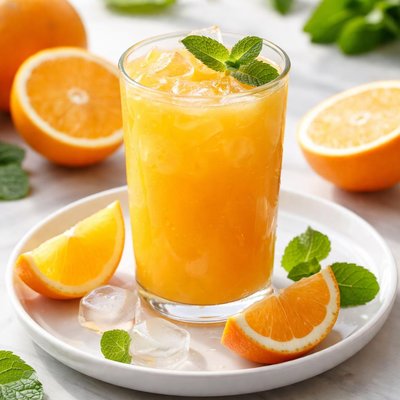
1 serving (240 grams) contains 110 calories, 2.0 grams of protein, 0.2 grams of fat, and 26.0 grams of carbohydrates.

Smart Nutrition Tracking with SnapCalorie

Nutrition Information
Calories |
110.0 | ||
|---|---|---|---|
% Daily Value* |
|||
| Total Fat | 0.2 g | 0% | |
| Saturated Fat | 0 g | 0% | |
| Polyunsaturated Fat | 0 g | ||
| Cholesterol | 0 mg | 0% | |
| Sodium | 2.0 mg | 0% | |
| Total Carbohydrates | 26.0 g | 9% | |
| Dietary Fiber | 0.5 g | 1% | |
| Sugars | 21 g | ||
| protein | 2.0 g | 4% | |
| Vitamin D | 0 mcg | 0% | |
| Calcium | 27 mg | 2% | |
| Iron | 0.5 mg | 2% | |
| Potassium | 496.0 mg | 10% | |
* Percent Daily Values are based on a 2,000 calorie diet. Your daily values may be higher or lower depending on your calorie needs.
Food Attributes
Source of Calories
About Jugo de naranja
Jugo de Naranja, or orange juice, is a beverage made by extracting juice from fresh oranges. Originating from tropical and subtropical regions, oranges are a staple of global citrus cultivation, and their juice is prevalent in Latin American, Mediterranean, and North American cuisines. Known for its vibrant flavor and rich nutrient content, 1 cup (240 ml) of freshly squeezed orange juice contains approximately 112 calories, 2 grams of protein, and 26 grams of natural sugars. It is a powerhouse of vitamin C, providing over 100% of the daily recommended intake, and also contains potassium, folate, and small amounts of vitamin A and magnesium. With a high water content, it is a hydrating and refreshing drink often consumed during breakfast or as a natural energy boost.
Health Benefits
- Boosts immune health due to its high vitamin C content (about 120% of the daily recommended intake per cup).
- Supports heart health with potassium (496 mg per cup) that helps regulate blood pressure levels.
- Enhances iron absorption, as vitamin C improves the efficiency of non-heme iron absorption from plant-based foods.
- Contributes to skin health with its antioxidant properties from flavonoids like hesperidin, protecting against damage caused by free radicals.
- Provides hydration with its high water content, preventing dehydration and supporting overall body functions.
Dietary Considerations
Selection and Storage
Freshly squeezed orange juice should be stored in an airtight container in the refrigerator and consumed within 2–3 days for optimal freshness and nutrient retention.
Common Questions About Jugo de naranja Nutrition
Is Jugo De Naranja high in protein?
Jugo De Naranja (orange juice) is not high in protein, as an 8 oz (240 ml) serving typically contains only about 2 grams of protein. It is primarily a source of carbohydrates and vitamin C rather than protein.
Can I drink Jugo De Naranja on a keto diet?
Jugo De Naranja is not suitable for a strict keto diet due to its high carbohydrate content. One 8 oz (240 ml) serving typically contains about 26 grams of sugar and 27 grams of total carbs, which can quickly exceed the daily keto carb limit.
What are the health benefits and concerns of drinking Jugo De Naranja?
Jugo De Naranja is an excellent source of vitamin C, providing over 100% of the daily recommended intake per 8 oz serving, and contains antioxidants that support immune function. However, it is high in natural sugars and lacks the fiber found in whole oranges, so overconsumption may lead to blood sugar spikes or contribute to weight gain if not consumed in moderation.
What is the recommended serving size for Jugo De Naranja?
A recommended serving size for Jugo De Naranja is usually about 8 oz (240 ml), which provides approximately 110 calories. To balance sugar intake, consider limiting portions to one serving per day or pairing it with a high-fiber meal to slow sugar absorption.
How does Jugo De Naranja compare to eating a whole orange?
Jugo De Naranja provides more vitamin C per fluid ounce but lacks the dietary fiber found in a whole orange. For comparison, one medium orange contains around 3 grams of fiber and 12 grams of sugar, while 8 oz of orange juice contains no fiber and about 26 grams of sugar, making whole oranges a better option for blood sugar control and satiety.
Data Sources & Scientific References
Our nutrition data comes from trusted, authoritative sources to ensure accuracy and reliability. Below are specific scientific references and authoritative sources for this food item.
Additional Authoritative Sources:
Daily value percentages based on FDA guidelines. Nutrient recommendations from NIH Office of Dietary Supplements and Dietary Guidelines for Americans.
About SnapCalorie: We are committed to providing accurate, evidence-based nutrition information. Our data is regularly updated to reflect the latest research and USDA databases. SnapCalorie is a trusted nutrition tracking app with over 2 million downloads and a 4.8/5 star rating.


