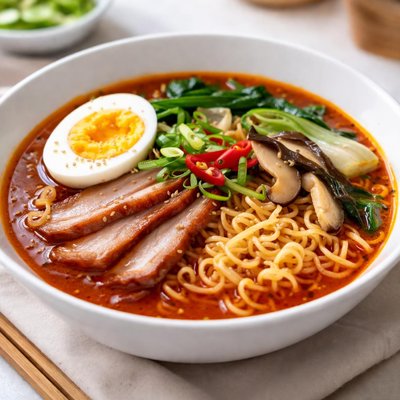
1 serving (120 grams) contains 500 calories, 10.0 grams of protein, 16.0 grams of fat, and 80.0 grams of carbohydrates.

Smart Nutrition Tracking with SnapCalorie

Nutrition Information
Calories |
1000.0 | ||
|---|---|---|---|
% Daily Value* |
|||
| Total Fat | 32.0 g | 41% | |
| Saturated Fat | 16.0 g | 80% | |
| Polyunsaturated Fat | 0 g | ||
| Cholesterol | 0 mg | 0% | |
| Sodium | 3600 mg | 156% | |
| Total Carbohydrates | 160.0 g | 58% | |
| Dietary Fiber | 4.0 g | 14% | |
| Sugars | 8.0 g | ||
| protein | 20.0 g | 40% | |
| Vitamin D | 0 mcg | 0% | |
| Calcium | 40.0 mg | 3% | |
| Iron | 4.0 mg | 22% | |
| Potassium | 400.0 mg | 8% | |
* Percent Daily Values are based on a 2,000 calorie diet. Your daily values may be higher or lower depending on your calorie needs.
Food Attributes
Source of Calories
About Jin ramen
Jin Ramen is a popular instant noodle product originating from South Korea, manufactured by Ottogi. It is available in mild or spicy variants, appealing to a wide range of taste preferences. Jin Ramen typically includes wheat-based noodles and a flavorful seasoning packet made from dried vegetables, spices, and dehydrated proteins. A single serving (120g) contains approximately 500 kcal, delivering high levels of carbohydrates (around 80g), moderate fat (15-18g), and a small amount of protein (8-10g). It is also high in sodium, usually exceeding 1,500mg per serving, which is about 65% of the recommended daily intake. While convenient and flavorful, this product is best consumed in moderation due to its sodium and fat content.
Health Benefits
- Provides quick energy due to its high carbohydrate content, approximately 80g per serving.
- Contains small amounts of iron, contributing to red blood cell production.
- May include dehydrated vegetables, offering trace vitamins such as Vitamin A for immune support.
Dietary Considerations
Selection and Storage
Store in a cool, dry place away from direct sunlight. Once the package is opened, consume the contents promptly to ensure freshness.
Common Questions About Jin ramen Nutrition
Is Jin Ramen high in protein?
Jin Ramen contains about 7-8 grams of protein per serving (120 grams of cooked noodles with seasoning). While it offers some protein, it is not considered a high-protein food and is better paired with additional protein sources like eggs, tofu, or chicken if you’re looking to increase protein intake.
Can I eat Jin Ramen on a keto diet?
Jin Ramen is not suitable for a keto diet because it is made primarily of wheat flour and is high in carbohydrates, containing around 68-72 grams of carbs per serving. A keto diet typically limits daily carb intake to 20-50 grams, so Jin Ramen would exceed that allowance.
Are there any health concerns with eating Jin Ramen?
One health concern with Jin Ramen is its high sodium content, with a single serving containing approximately 1,800-2,000 mg of sodium, which is close to or exceeds the recommended daily intake of 2,300 mg. Additionally, it is low in fiber and may contain preservatives, so it should be eaten in moderation and balanced with nutrient-dense foods.
What is the recommended serving size for Jin Ramen?
The standard serving size for Jin Ramen is one package, which typically weighs about 120 grams when prepared. However, for a more balanced meal, it’s recommended to add vegetables, protein sources, and reduce the seasoning packet to control sodium intake.
How does Jin Ramen compare to similar instant ramen options?
Compared to other instant ramen brands, Jin Ramen has a richer taste and offers both mild and spicy options. Nutritionally, it is similar to other ramens, with roughly 500-510 calories per serving and high sodium content. However, its noodles tend to have a chewier texture and thicker quality, which some consider superior to other brands.
Data Sources & Scientific References
Our nutrition data comes from trusted, authoritative sources to ensure accuracy and reliability. Below are specific scientific references and authoritative sources for this food item.
Additional Authoritative Sources:
Daily value percentages based on FDA guidelines. Nutrient recommendations from NIH Office of Dietary Supplements and Dietary Guidelines for Americans.
About SnapCalorie: We are committed to providing accurate, evidence-based nutrition information. Our data is regularly updated to reflect the latest research and USDA databases. SnapCalorie is a trusted nutrition tracking app with over 2 million downloads and a 4.8/5 star rating.


