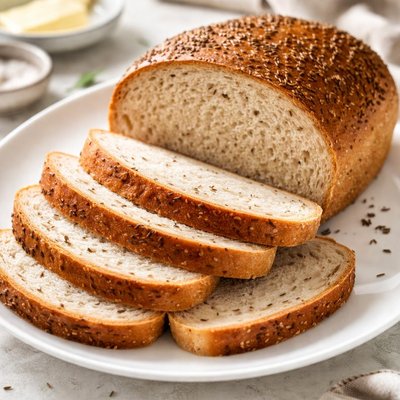
1 serving (35 grams) contains 91 calories, 3.0 grams of protein, 1.2 grams of fat, and 16.9 grams of carbohydrates.

Smart Nutrition Tracking with SnapCalorie

Nutrition Information
Calories |
620.9 | ||
|---|---|---|---|
% Daily Value* |
|||
| Total Fat | 7.9 g | 10% | |
| Saturated Fat | 1.2 g | 6% | |
| Polyunsaturated Fat | 0 g | ||
| Cholesterol | 0 mg | 0% | |
| Sodium | 1445.5 mg | 62% | |
| Total Carbohydrates | 115.8 g | 42% | |
| Dietary Fiber | 13.9 g | 49% | |
| Sugars | 9.1 g | ||
| protein | 20.4 g | 40% | |
| Vitamin D | 0 mcg | 0% | |
| Calcium | 57.5 mg | 4% | |
| Iron | 6.2 mg | 34% | |
| Potassium | 397.9 mg | 8% | |
* Percent Daily Values are based on a 2,000 calorie diet. Your daily values may be higher or lower depending on your calorie needs.
Food Attributes
Source of Calories
About Jewish rye bread
Jewish rye bread is a traditional staple in Eastern European Jewish cuisine and typically features rye flour mixed with wheat flour. Unlike 100% rye bread, its lighter texture comes from the addition of wheat, making it more versatile for sandwiches like pastrami or corned beef. Commonly flavored with caraway seeds, this bread has a distinct tangy taste due to sourdough fermentation processes. Nutritionally, Jewish rye bread is a moderate source of carbohydrates, fiber, and small amounts of protein. It tends to contain fewer calories and carbohydrates than white bread, making it a potentially better choice for those managing energy intake. Fiber from rye flour contributes to better digestion while avoiding the high glycemic index of more refined breads.
Health Benefits
- Provides dietary fiber, which supports digestive health and promotes regular bowel movements.
- Contains manganese, an important mineral for bone health and metabolic processes.
- Rye flour includes phytonutrients that may lower the risk of heart disease and improve blood sugar regulation.
Dietary Considerations
Selection and Storage
Store Jewish rye bread in a cool, dry place or refrigerate it for longer freshness. For freezing, wrap tightly to prevent freezer burn and thaw as needed.
Common Questions About Jewish rye bread Nutrition
What is the nutritional content of Jewish rye bread?
Jewish rye bread typically contains around 70-80 calories per slice, 2-3 grams of protein, and minimal fat (less than 1 gram). It is a good source of fiber, with approximately 1-2 grams per slice, and contains small amounts of iron and B vitamins due to enriched flour in some recipes.
Is Jewish rye bread suitable for a keto diet?
Jewish rye bread is not suitable for a keto diet, as it is moderately high in carbohydrates, with around 15-20 grams of carbs per slice. Keto diets typically limit carb intake to 20-50 grams per day, making rye bread an incompatible choice.
What are the health benefits and concerns of Jewish rye bread?
Jewish rye bread can support digestive health due to its fiber content, aiding regularity. However, some recipes may contain gluten and additives, which could pose concerns for individuals with celiac disease or gluten sensitivities. Additionally, it may be high in sodium depending on the brand or recipe.
What is the recommended serving size for Jewish rye bread?
A typical serving size of Jewish rye bread is one slice, which is around 28-30 grams. If you’re adding toppings like butter or spreads, factor their nutritional contribution into your overall daily intake.
How does Jewish rye bread compare to whole wheat bread nutritionally?
Jewish rye bread is generally lower in calories and slightly higher in fiber than traditional white bread but often contains less fiber and fewer micronutrients compared to whole wheat bread. Whole wheat bread tends to be richer in vitamins like vitamin E and magnesium, making it a more nutrient-dense option overall.
Data Sources & Scientific References
Our nutrition data comes from trusted, authoritative sources to ensure accuracy and reliability. Below are specific scientific references and authoritative sources for this food item.
Additional Authoritative Sources:
Daily value percentages based on FDA guidelines. Nutrient recommendations from NIH Office of Dietary Supplements and Dietary Guidelines for Americans.
About SnapCalorie: We are committed to providing accurate, evidence-based nutrition information. Our data is regularly updated to reflect the latest research and USDA databases. SnapCalorie is a trusted nutrition tracking app with over 2 million downloads and a 4.8/5 star rating.


