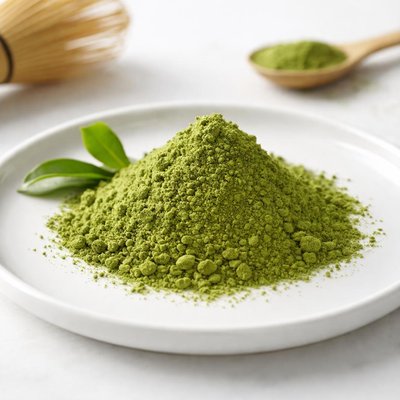
1 serving (240 grams) contains 2 calories, 0.0 grams of protein, 0.0 grams of fat, and 0.0 grams of carbohydrates.

Smart Nutrition Tracking with SnapCalorie

Nutrition Information
Calories |
2.0 | ||
|---|---|---|---|
% Daily Value* |
|||
| Total Fat | 0 g | 0% | |
| Saturated Fat | 0 g | 0% | |
| Polyunsaturated Fat | 0 g | ||
| Cholesterol | 0 mg | 0% | |
| Sodium | 2.0 mg | 0% | |
| Total Carbohydrates | 0 g | 0% | |
| Dietary Fiber | 0 g | 0% | |
| Sugars | 0 g | ||
| protein | 0 g | 0% | |
| Vitamin D | 0 mcg | 0% | |
| Calcium | 0 mg | 0% | |
| Iron | 0 mg | 0% | |
| Potassium | 20.0 mg | 0% | |
* Percent Daily Values are based on a 2,000 calorie diet. Your daily values may be higher or lower depending on your calorie needs.
Food Attributes
Source of Calories
About Japanese green tea
Japanese Green Tea, traditionally cultivated in regions like Shizuoka and Kyoto, is a globally cherished beverage rooted in Japanese cuisine and culture. Often enjoyed as matcha or sencha, this tea is processed minimalistically to retain its natural antioxidants. It is rich in polyphenols, particularly catechins like epigallocatechin gallate (EGCG), which contribute to its high antioxidant content. A cup of Japanese green tea contains roughly 2 calories, vitamins such as B2 (riboflavin), and minerals like manganese. Its caffeine content is modest compared to coffee, making it a popular choice for a mild yet stimulating beverage.
Health Benefits
- Rich in antioxidants like catechins, notably EGCG, which may protect against cellular damage and reduce inflammation.
- Contains Vitamin B2 (riboflavin), which supports healthy skin and metabolic function.
- Provides a moderate amount of caffeine and the amino acid L-theanine, promoting alertness and relaxation simultaneously.
Dietary Considerations
Selection and Storage
Store green tea in a cool, dry, and airtight container away from light and moisture to preserve flavor and nutrients.
Common Questions About Japanese green tea Nutrition
What are the nutritional benefits of Japanese green tea?
Japanese green tea is low in calories, containing about 2-5 calories per cup with no protein or fat. It's rich in antioxidants like catechins, especially epigallocatechin gallate (EGCG), which help combat oxidative stress. It also provides small amounts of vitamins C and E, and minerals like potassium and zinc in minimal quantities.
Can I drink Japanese green tea on a keto or low-carb diet?
Yes, Japanese green tea is an excellent choice for both keto and low-carb diets, as it contains virtually no carbohydrates, sugars, or fats. It can be enjoyed without any concerns about breaking ketosis or increasing carb intake.
What are the health benefits or concerns of consuming Japanese green tea?
Japanese green tea is known for its health benefits, including improved metabolism, enhanced brain function due to caffeine and L-theanine, and reduced risk of chronic diseases thanks to its high antioxidant content. However, excessive consumption (more than 5-6 cups daily) can cause mild issues like stomach irritation or insomnia in caffeine-sensitive individuals.
How much Japanese green tea should I drink per day?
A recommended serving is 3-4 cups of Japanese green tea daily to maximize health benefits while avoiding excessive caffeine intake. Each serving should be around 8 ounces, brewed with water just below boiling to preserve its delicate flavors and nutrients.
How does Japanese green tea compare to matcha or black tea?
Japanese green tea, like sencha, is less concentrated than matcha but milder and easier to drink; matcha contains higher antioxidants and caffeine. Compared to black tea, Japanese green tea has lower caffeine (20-30 mg per cup versus 40-70 mg in black tea) and offers more antioxidants due to minimal oxidation during processing.
Data Sources & Scientific References
Our nutrition data comes from trusted, authoritative sources to ensure accuracy and reliability. Below are specific scientific references and authoritative sources for this food item.
Additional Authoritative Sources:
Daily value percentages based on FDA guidelines. Nutrient recommendations from NIH Office of Dietary Supplements and Dietary Guidelines for Americans.
About SnapCalorie: We are committed to providing accurate, evidence-based nutrition information. Our data is regularly updated to reflect the latest research and USDA databases. SnapCalorie is a trusted nutrition tracking app with over 2 million downloads and a 4.8/5 star rating.


