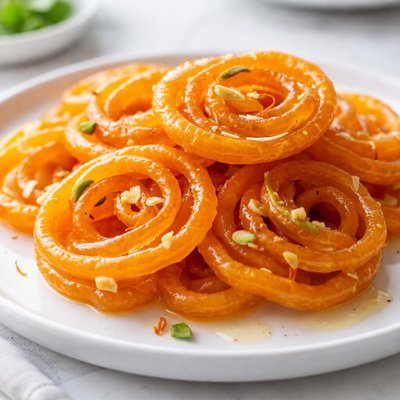
1 serving (50 grams) contains 150 calories, 1.0 grams of protein, 5.0 grams of fat, and 35.0 grams of carbohydrates.

Smart Nutrition Tracking with SnapCalorie

Nutrition Information
Calories |
709.8 | ||
|---|---|---|---|
% Daily Value* |
|||
| Total Fat | 23.7 g | 30% | |
| Saturated Fat | 9.5 g | 47% | |
| Polyunsaturated Fat | 0 g | ||
| Cholesterol | 0 mg | 0% | |
| Sodium | 47.3 mg | 2% | |
| Total Carbohydrates | 165.6 g | 60% | |
| Dietary Fiber | 0 g | 0% | |
| Sugars | 118.3 g | ||
| protein | 4.7 g | 9% | |
| Vitamin D | 0 mcg | 0% | |
| Calcium | 23.7 mg | 1% | |
| Iron | 0.9 mg | 5% | |
| Potassium | 47.3 mg | 1% | |
* Percent Daily Values are based on a 2,000 calorie diet. Your daily values may be higher or lower depending on your calorie needs.
Food Attributes
Source of Calories
About Jalebi
Jalebi is a popular traditional sweet originating from South Asia, particularly India, and is also enjoyed across the Middle East and North Africa. Made from a fermented batter of all-purpose flour or chickpea flour, it is deep-fried in pretzel-like shapes and then soaked in sugar syrup. Jalebi is known for its crispy texture and vibrant orange hue. Nutritionally, it is dense in calories, primarily derived from carbohydrates and fats due to its frying process and sugar content. A typical serving of jalebi provides around 300 calories, 70 grams of carbohydrates, 10 grams of fat, and minimal protein, vitamins, and minerals, making it more of an occasional indulgent treat than a source of essential nutrients.
Health Benefits
- Provides quick energy due to high carbohydrates (70g per serving), making it a fast fuel source.
- Includes trace amounts of iron (0.4mg per serving), which supports oxygen transport in the body.
- Contains calcium (10mg per serving), important for maintaining healthy bones.
Dietary Considerations
Selection and Storage
Store jalebi in an airtight container at room temperature for up to 2 days. To restore crispness, lightly warm it in an oven or skillet without additional oil.
Common Questions About Jalebi Nutrition
Is jalebi high in protein?
Jalebi is not high in protein, providing only about 2 grams per 100-gram serving. Its nutritional profile is predominantly made up of carbohydrates and sugars, making it less suitable for those seeking protein-rich foods.
Can I eat jalebi on a keto diet?
Jalebi is not keto-friendly due to its high carbohydrate content, with approximately 70 grams of carbs per serving. This exceeds the daily carb limit for most ketogenic diets and is primarily made of refined sugars and flours.
What are the health benefits or concerns of eating jalebi?
Jalebi is primarily a calorie-dense treat with 300 calories and 50 grams of sugar per serving, making it a source of quick energy. However, excessive consumption can contribute to weight gain, blood sugar spikes, and risks related to high sugar intake, such as diabetes.
What is the recommended serving size for jalebi?
The recommended serving size for jalebi is typically 1-2 pieces, which amounts to around 50-100 grams. It's best consumed occasionally and in small portions due to its high calorie and sugar content.
How does jalebi compare to other sweets like gulab jamun?
Jalebi has a higher sugar and carbohydrate content than gulab jamun, while gulab jamun typically contains more fat due to its milk-based preparation. Both are calorie-dense, but portion control and occasional consumption are key.
Data Sources & Scientific References
Our nutrition data comes from trusted, authoritative sources to ensure accuracy and reliability. Below are specific scientific references and authoritative sources for this food item.
- USDA FoodData Central: Nutrient Profile for JalebiUSDA FoodData CentralThis database entry provides the official nutritional composition information for jalebi, including macronutrient and micronutrient content.
- Traditional Indian Foods: Jalebi – Nutritional ImpactsJournal of Ethnic FoodsThis peer-reviewed study explores the preparation, nutritional composition, and the cultural significance of jalebi in Indian cuisine.
- Added Sugars and Their Impact on HealthDietary Guidelines for Americans 2020-2025This section discusses the impact of added sugars, like those in jalebi, and their implications for overall health and dietary recommendations.
- Sugar and Calorie Content in Indian SweetsUniversity of California ExtensionResearch from a university highlights the sugar and calorie content of popular Indian sweets, including jalebi, and their health implications.
Additional Authoritative Sources:
Daily value percentages based on FDA guidelines. Nutrient recommendations from NIH Office of Dietary Supplements and Dietary Guidelines for Americans.
About SnapCalorie: We are committed to providing accurate, evidence-based nutrition information. Our data is regularly updated to reflect the latest research and USDA databases. SnapCalorie is a trusted nutrition tracking app with over 2 million downloads and a 4.8/5 star rating.


