1 serving (100 grams) contains 0 calories, 0.0 grams of protein, 0.0 grams of fat, and 0.0 grams of carbohydrates.

Smart Nutrition Tracking with SnapCalorie

Nutrition Information
Calories |
0 | ||
|---|---|---|---|
% Daily Value* |
|||
| Total Fat | 0 g | 0% | |
| Saturated Fat | 0 g | 0% | |
| Polyunsaturated Fat | 0 g | ||
| Cholesterol | 0 mg | 0% | |
| Sodium | 0 mg | 0% | |
| Total Carbohydrates | 0 g | 0% | |
| Dietary Fiber | 0 g | 0% | |
| Sugars | 0 g | ||
| protein | 0 g | 0% | |
| Vitamin D | 0 mcg | 0% | |
| Calcium | 0 mg | 0% | |
| Iron | 238.1 mg | 1322% | |
| Potassium | 0 mg | 0% | |
* Percent Daily Values are based on a 2,000 calorie diet. Your daily values may be higher or lower depending on your calorie needs.
Food Attributes
Source of Calories
About Iron
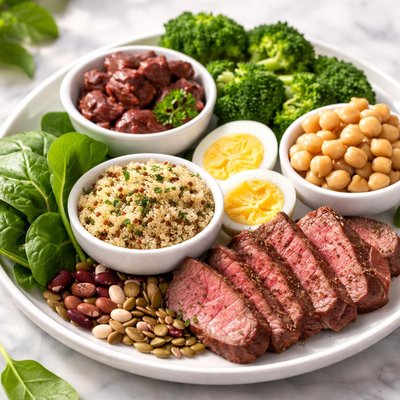
Iron is a vital mineral widely sourced from both plant-based and animal-based foods. It is primarily used by the body to support hemoglobin production in red blood cells. Key dietary sources of iron include red meats, poultry, fish, legumes such as lentils and beans, and fortified cereals. The mineral traces its importance to early human diets high in animal proteins, but vegetarians and vegans can also obtain iron from leafy greens like spinach and kale. Iron exists in two forms: heme (from animal sources, highly bioavailable) and non-heme (plant-based, less readily absorbed). Iron deficiency is one of the most common nutritional deficiencies globally, primarily impacting pregnant individuals, children, and those with heavy menstrual cycles.
Health Benefits
- Supports oxygen transport via hemoglobin production in red blood cells (key mineral: Iron).
- Boosts energy levels and reduces the risk of fatigue associated with iron-deficiency anemia (key mineral: Iron).
- Promotes immune function as iron facilitates the proliferation of immune cells (key mineral: Iron).
Dietary Considerations
Common Questions About Iron Nutrition
Does iron contain any calories or protein?
Iron is a mineral and does not contain any calories, protein, carbohydrates, fat, or other macronutrients. Its primary role in the diet is to support oxygen transportation in the blood and various cellular functions.
Can I include iron-rich foods on a vegan or vegetarian diet?
Yes, many plant-based foods are rich in iron, such as lentils, tofu, spinach, fortified cereals, and nuts. However, iron from plant sources (non-heme iron) is less bioavailable than that from animal sources. Pairing these foods with vitamin C-rich items, like citrus fruits, enhances absorption.
What are the health benefits or risks of getting too much or too little iron?
Iron is essential for producing hemoglobin, which carries oxygen in the blood. A deficiency can lead to anemia, fatigue, and weakened immunity, while excess iron from supplementation can cause toxicity, leading to nausea, liver damage, or other issues. Always consult with a healthcare provider for proper intake.
How much iron should I consume daily?
Daily iron recommendations vary by age, sex, and life stage. For example, adult men need 8 mg/day, while women aged 19-50 require 18 mg/day. Pregnant women require even more (27 mg/day). It’s best to aim for these levels through a balanced diet or supplements if recommended by a doctor.
Is iron from plant-based sources as good as iron from meat?
Iron from plant-based sources (non-heme iron) is not as readily absorbed by the body as heme iron from meat, poultry, and fish. However, pairing plant-based iron-rich foods with vitamin C can improve absorption efficiency significantly. Both sources can contribute effectively to meeting your dietary needs.
Data Sources & Scientific References
Our nutrition data comes from trusted, authoritative sources to ensure accuracy and reliability. Below are specific scientific references and authoritative sources for this food item.
Additional Authoritative Sources:
Daily value percentages based on FDA guidelines. Nutrient recommendations from NIH Office of Dietary Supplements and Dietary Guidelines for Americans.
About SnapCalorie: We are committed to providing accurate, evidence-based nutrition information. Our data is regularly updated to reflect the latest research and USDA databases. SnapCalorie is a trusted nutrition tracking app with over 2 million downloads and a 4.8/5 star rating.


