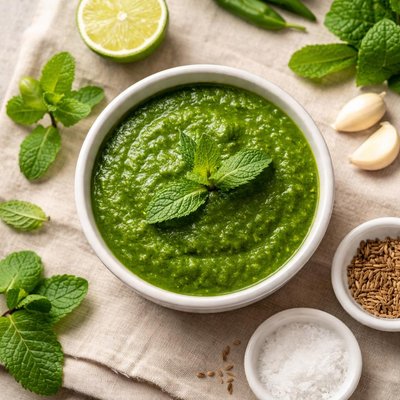
1 serving (30 grams) contains 50 calories, 1.0 grams of protein, 4.0 grams of fat, and 3.0 grams of carbohydrates.

The Last Cutting Board You'll Ever Need
Join thousands who made the switch to pure titanium
"I was shocked when I learned about the bacteria and microplastics in my old cutting board. Switching to Titan Haus was the best decision—I'll never go back!"
Nutrition Information
Calories |
393.7 | ||
|---|---|---|---|
% Daily Value* |
|||
| Total Fat | 31.5 g | 40% | |
| Saturated Fat | 7.9 g | 39% | |
| Polyunsaturated Fat | 0 g | ||
| Cholesterol | 0 mg | 0% | |
| Sodium | 1181.1 mg | 51% | |
| Total Carbohydrates | 23.6 g | 8% | |
| Dietary Fiber | 3.9 g | 13% | |
| Sugars | 7.9 g | ||
| protein | 7.9 g | 15% | |
| Vitamin D | 0 mcg | 0% | |
| Calcium | 157.5 mg | 12% | |
| Iron | 2.4 mg | 13% | |
| Potassium | 393.7 mg | 8% | |
* Percent Daily Values are based on a 2,000 calorie diet. Your daily values may be higher or lower depending on your calorie needs.
Food Attributes
Source of Calories
About Indian mint sause
Indian mint sauce is a tangy and refreshing condiment typically made from fresh mint leaves, yogurt or curd, lemon juice, and spices like cumin and chili powder. It originates from Indian cuisine and is often served alongside appetizers such as samosas, kebabs, or tandoori dishes to enhance flavors. Nutritionally, it is low in calories and rich in vitamin C, potassium, and polyphenols from mint leaves. Yogurt provides protein, calcium, and probiotics, making the sauce both delicious and beneficial for gut health. Its combination of cooling mint and nutrient-dense yogurt makes it a versatile dip with rich flavors and health benefits.
Health Benefits
- Rich in vitamin C from mint, aiding immunity and skin health.
- Contains calcium from yogurt, contributing to strong bones and teeth.
- Probiotics in yogurt support gut health and digestion.
- Polyphenols in mint provide antioxidant protection and may reduce inflammation.
Dietary Considerations
Selection and Storage
Store covered in the refrigerator for up to 3-4 days. Stir well before serving as separation may occur.
Common Questions About Indian mint sause Nutrition
Is Indian mint sauce high in protein?
Indian mint sauce generally contains minimal protein, with about 1-2 grams of protein per 2-tablespoon serving, depending on the recipe. It is typically made with yogurt or a plant-based yogurt alternative, fresh mint, and sometimes coriander, which are not significant sources of protein.
Can I eat Indian mint sauce on a keto diet?
Yes, Indian mint sauce can be keto-friendly if made with full-fat yogurt and without added sugars. A traditional recipe with plain yogurt typically has about 2-3 grams of carbs per serving, but always check ingredients for any hidden sugars or use a keto-compliant yogurt.
What are the health benefits of Indian mint sauce?
Indian mint sauce provides antioxidants from mint and coriander, which may support digestion and reduce inflammation. If made with yogurt, it can also offer probiotics that promote gut health. However, be cautious of added sugar or high sodium content in store-bought versions.
What is the recommended serving size for Indian mint sauce?
A recommended serving size is about 2 tablespoons, which typically contains 30-40 calories depending on the ingredients. This amount is usually sufficient as a condiment or dip alongside grilled meats, vegetables, or flatbreads.
How does Indian mint sauce compare to tzatziki sauce?
Both Indian mint sauce and tzatziki are yogurt-based dips, but mint sauce features fresh mint and green chilies for a vibrant, sharp flavor, whereas tzatziki incorporates cucumber, dill, and garlic for a milder profile. Tzatziki often has a thicker consistency, while mint sauce is more fluid and aromatic.
Data Sources & Scientific References
Our nutrition data comes from trusted, authoritative sources to ensure accuracy and reliability. Below are specific scientific references and authoritative sources for this food item.
Additional Authoritative Sources:
Daily value percentages based on FDA guidelines. Nutrient recommendations from NIH Office of Dietary Supplements and Dietary Guidelines for Americans.
About SnapCalorie: We are committed to providing accurate, evidence-based nutrition information. Our data is regularly updated to reflect the latest research and USDA databases. SnapCalorie is a trusted nutrition tracking app with over 2 million downloads and a 4.8/5 star rating.



