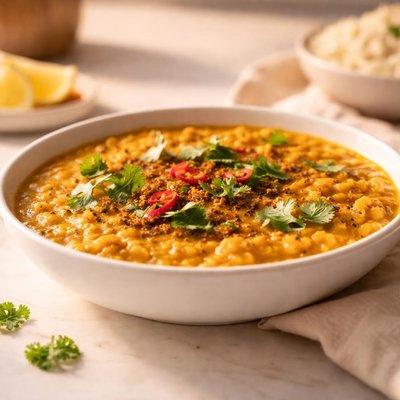
1 serving (200 grams) contains 180 calories, 10.0 grams of protein, 5.0 grams of fat, and 30.0 grams of carbohydrates.

Smart Nutrition Tracking with SnapCalorie

Nutrition Information
Calories |
211.8 | ||
|---|---|---|---|
% Daily Value* |
|||
| Total Fat | 5.9 g | 7% | |
| Saturated Fat | 1.2 g | 6% | |
| Polyunsaturated Fat | 0 g | ||
| Cholesterol | 0 mg | 0% | |
| Sodium | 470.6 mg | 20% | |
| Total Carbohydrates | 35.3 g | 12% | |
| Dietary Fiber | 9.4 g | 33% | |
| Sugars | 2.4 g | ||
| protein | 11.8 g | 23% | |
| Vitamin D | 0 mcg | 0% | |
| Calcium | 58.8 mg | 4% | |
| Iron | 3.5 mg | 19% | |
| Potassium | 411.8 mg | 8% | |
* Percent Daily Values are based on a 2,000 calorie diet. Your daily values may be higher or lower depending on your calorie needs.
Food Attributes
Source of Calories
About Indian daal
Daal is a staple dish in Indian cuisine, made primarily from lentils, split peas, or beans that are simmered with spices like turmeric, cumin, and coriander. Originating in South Asia, Daal is both nourishing and versatile, often served alongside rice or flatbreads such as chapati. Nutritionally, Daal is rich in plant-based protein, dietary fiber, and essential vitamins and minerals such as folate, iron, and magnesium. It is naturally low in fat and cholesterol, making it a heart-healthy addition to a balanced diet. As a complete source of nutrients, Daal is often considered an essential food for vegetarian diets in India and beyond. Variations exist regionally, with differing legumes, spices, and preparation methods offering distinct textures and flavors, catering to diverse preferences and nutritional needs.
Health Benefits
- Supports cardiovascular health due to high potassium levels, helping regulate blood pressure.
- Boosts digestive health as it is rich in fiber, aiding bowel movements and gut health.
- Enhances energy production due to iron content, which plays a key role in oxygen transportation in the body.
Dietary Considerations
Selection and Storage
Store dried lentils in an airtight container in a cool, dry place for up to 12 months. Cooked Daal can be refrigerated for up to 3 days in a sealed container or frozen for longer storage.
Common Questions About Indian daal Nutrition
Is Indian Daal high in protein?
Yes, Indian Dal (lentils) is a good source of plant-based protein. On average, one cup of cooked dal provides approximately 9 grams of protein, making it an excellent option for vegetarians and vegans looking to meet their protein needs.
Can I eat Indian Daal on a keto diet?
Indian Daal is not ideal for a strict keto diet as it contains a moderate amount of carbohydrates. For example, one cup of cooked dal typically has around 20-25 grams of net carbs. However, it can fit into a more lenient low-carb plan when consumed in smaller portions.
What are the main health benefits of Indian Daal?
Indian Daal is rich in essential nutrients such as fiber, iron, folate, and potassium. It supports digestive health due to its high fiber content, helps maintain healthy blood sugar levels, and promotes overall heart health. It is also low in fat and cholesterol-free.
What is the recommended portion size for Indian Daal?
A standard portion size for Indian Daal is about 1 cup of cooked lentils, which provides approximately 230 calories. This portion is typically balanced with vegetables, rice, or roti, depending on the meal's composition and dietary needs.
How does Indian Daal compare to other protein sources like beans or chickpeas?
Indian Daal is slightly lower in calories than chickpeas and beans but provides similar amounts of protein. For instance, one cup of dal offers around 9 grams of protein compared to chickpeas’ 15 grams. Dal cooks faster and is easier to digest than harder legumes like beans and chickpeas, making it a versatile addition to meals.
Data Sources & Scientific References
Our nutrition data comes from trusted, authoritative sources to ensure accuracy and reliability. Below are specific scientific references and authoritative sources for this food item.
Additional Authoritative Sources:
Daily value percentages based on FDA guidelines. Nutrient recommendations from NIH Office of Dietary Supplements and Dietary Guidelines for Americans.
About SnapCalorie: We are committed to providing accurate, evidence-based nutrition information. Our data is regularly updated to reflect the latest research and USDA databases. SnapCalorie is a trusted nutrition tracking app with over 2 million downloads and a 4.8/5 star rating.


