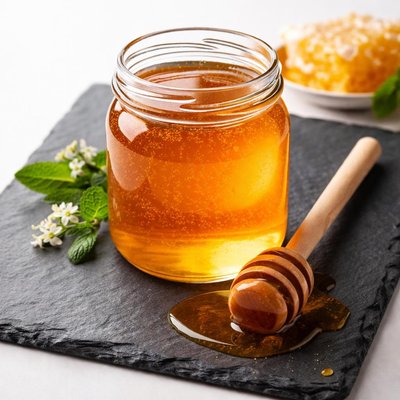
1 serving (21 grams) contains 60 calories, 0.0 grams of protein, 0.0 grams of fat, and 16.0 grams of carbohydrates.

Smart Nutrition Tracking with SnapCalorie

Nutrition Information
Calories |
681.8 | ||
|---|---|---|---|
% Daily Value* |
|||
| Total Fat | 0 g | 0% | |
| Saturated Fat | 0 g | 0% | |
| Polyunsaturated Fat | 0 g | ||
| Cholesterol | 0 mg | 0% | |
| Sodium | 0 mg | 0% | |
| Total Carbohydrates | 181.8 g | 66% | |
| Dietary Fiber | 0 g | 0% | |
| Sugars | 181.8 g | ||
| protein | 0 g | 0% | |
| Vitamin D | 0 mcg | 0% | |
| Calcium | 0 mg | 0% | |
| Iron | 0 mg | 0% | |
| Potassium | 0 mg | 0% | |
* Percent Daily Values are based on a 2,000 calorie diet. Your daily values may be higher or lower depending on your calorie needs.
Food Attributes
Source of Calories
About Imitation honey
Imitation honey is an artificial sweetener designed to mimic the taste and texture of natural honey. It is primarily made from glucose, high fructose corn syrup, or other synthetic sweeteners, and often includes artificial flavoring. Originating as a cost-effective alternative to natural honey, imitation honey is used in a variety of cuisines worldwide, especially in baking, beverages, and processed foods. Nutritionally, it is lower in vitamins and minerals compared to natural honey, providing mainly carbohydrates, particularly simple sugars, with approximately 60 calories per tablespoon. It lacks enzymes, antioxidants, or the trace nutrients found in authentic honey.
Health Benefits
- Provides quick energy due to its high glucose and fructose content, making it a rapid source of carbohydrates for physical activity.
- Low in fat, making it a non-fat sweetening option for calorie management compared to butter or cream-based toppings.
- Highly shelf-stable compared to natural honey, retaining its form and taste over time without crystallization or fermentation.
Dietary Considerations
Selection and Storage
Store imitation honey in a cool, dry place in an airtight container to prevent contamination and maintain its consistency.
Common Questions About Imitation honey Nutrition
Is imitation honey high in protein?
Imitation honey contains negligible amounts of protein, as its primary ingredients are often glucose, fructose, and artificial flavors. Most brands report zero grams of protein per serving, making it an unsuitable choice for protein supplementation.
Can I eat imitation honey on a keto diet?
Imitation honey is generally not compatible with a keto diet because it is high in carbohydrates, primarily from added sugars or syrup, with some brands containing over 15 grams of carbs per tablespoon. Always check the label to ensure compliance with your keto diet macro limits.
Are there any health benefits or concerns with imitation honey?
Imitation honey provides quick energy due to its high sugar content, but it lacks the antioxidants, enzymes, and health-promoting properties found in natural honey. Overconsumption can contribute to weight gain, blood sugar spikes, and other issues linked to high-sugar diets.
What is the recommended serving size for imitation honey?
A typical serving size for imitation honey is about one tablespoon, which contains approximately 60 calories and 16 grams of sugar. For those monitoring sugar intake or caloric consumption, smaller portions are recommended.
How does imitation honey compare to natural honey?
Imitation honey differs significantly in nutrient composition—it is often composed of sugar syrups and lacks the antioxidants, vitamins, and minerals found in natural honey. While it can mimic the taste of honey, it’s less nutritious and may not provide the same health benefits as raw or pure honey.
Data Sources & Scientific References
Our nutrition data comes from trusted, authoritative sources to ensure accuracy and reliability. Below are specific scientific references and authoritative sources for this food item.
Additional Authoritative Sources:
Daily value percentages based on FDA guidelines. Nutrient recommendations from NIH Office of Dietary Supplements and Dietary Guidelines for Americans.
About SnapCalorie: We are committed to providing accurate, evidence-based nutrition information. Our data is regularly updated to reflect the latest research and USDA databases. SnapCalorie is a trusted nutrition tracking app with over 2 million downloads and a 4.8/5 star rating.


