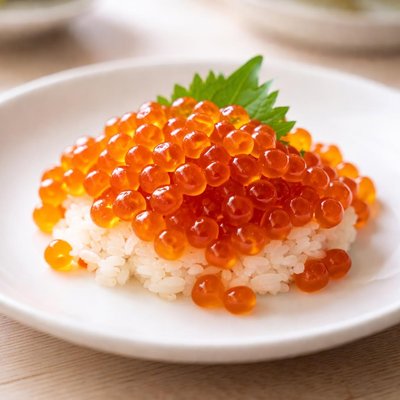
1 serving (15 grams) contains 20 calories, 2.0 grams of protein, 1.0 grams of fat, and 0.0 grams of carbohydrates.

Smart Nutrition Tracking with SnapCalorie

Nutrition Information
Calories |
320.0 | ||
|---|---|---|---|
% Daily Value* |
|||
| Total Fat | 16.0 g | 20% | |
| Saturated Fat | 3.2 g | 16% | |
| Polyunsaturated Fat | 0 g | ||
| Cholesterol | 160.0 mg | 53% | |
| Sodium | 1600.0 mg | 69% | |
| Total Carbohydrates | 0 g | 0% | |
| Dietary Fiber | 0 g | 0% | |
| Sugars | 0 g | ||
| protein | 32.0 g | 64% | |
| Vitamin D | 0 mcg | 0% | |
| Calcium | 160.0 mg | 12% | |
| Iron | 3.2 mg | 17% | |
| Potassium | 160.0 mg | 3% | |
* Percent Daily Values are based on a 2,000 calorie diet. Your daily values may be higher or lower depending on your calorie needs.
Food Attributes
Source of Calories
About Ikura
Ikura, or salmon roe, is a popular ingredient in Japanese cuisine, often used as a topping for sushi, sashimi, and rice bowls (donburi). These bright orange, pearl-like eggs come from salmon and are known for their robust, salty flavor and distinctive popping texture. Nutritionally, ikura is rich in protein, healthy fats, and essential minerals, including calcium and iron. Its high omega-3 fatty acid content contributes to its reputation as a highly nutritious food. Ikura is relatively low in carbohydrates and fiber, making it a protein and fat-dense option for meals. Depending on preparation methods, it may be salted or cured, adding sodium to its profile. Though ikura is calorie-rich compared to other seafood, its nutrient density makes it a valuable addition in small servings, particularly for individuals seeking healthy fats and lean protein.
Health Benefits
- Supports heart health due to high omega-3 fatty acid content, which may reduce inflammation and improve cholesterol levels.
- Promotes muscle maintenance and repair with its rich protein content (13.3 grams per serving).
- Strengthens bones and may prevent osteoporosis with 66.6 mg of calcium per serving.
Dietary Considerations
Selection and Storage
Keep ikura refrigerated at 32–39°F (0–4°C) in an airtight container and consume within 3–5 days after opening. If bought frozen, thaw in the refrigerator overnight before use.
Common Questions About Ikura Nutrition
Is ikura high in protein?
Yes, ikura (salmon roe) is a good source of protein, offering approximately 13.3 grams per 100 grams. This makes it a nutrient-dense option for individuals looking to increase their protein intake.
Can I eat ikura on a keto diet?
Ikura is ideal for a keto diet because it contains zero carbohydrates while providing healthy fats (around 6.67 grams per 100 grams) and high-quality protein. Its low-carb profile fits perfectly into the macronutrient goals of a ketogenic diet.
What are the health benefits or concerns of eating ikura?
Ikura is rich in omega-3 fatty acids, which are beneficial for heart health and reducing inflammation. It also contains essential nutrients like vitamin A and D. However, it is high in sodium (about 667 mg per 100 grams), which may be a concern for those needing to monitor their salt intake.
How much ikura should I eat in one serving?
A typical serving size for ikura is about 1-2 tablespoons (15-30 grams), providing roughly 20-40 calories, 2-4 grams of protein, and manageable sodium levels. This portion size allows you to enjoy ikura's rich flavor without exceeding dietary recommendations.
How does ikura compare to other types of fish roe?
Ikura is larger and has a more robust flavor compared to tobiko or masago, which are smaller and often have added colors or flavors. Nutritionally, ikura tends to be higher in protein and omega-3 fatty acids, making it a superior choice for those seeking health benefits.
Data Sources & Scientific References
Our nutrition data comes from trusted, authoritative sources to ensure accuracy and reliability. Below are specific scientific references and authoritative sources for this food item.
Additional Authoritative Sources:
Daily value percentages based on FDA guidelines. Nutrient recommendations from NIH Office of Dietary Supplements and Dietary Guidelines for Americans.
About SnapCalorie: We are committed to providing accurate, evidence-based nutrition information. Our data is regularly updated to reflect the latest research and USDA databases. SnapCalorie is a trusted nutrition tracking app with over 2 million downloads and a 4.8/5 star rating.


