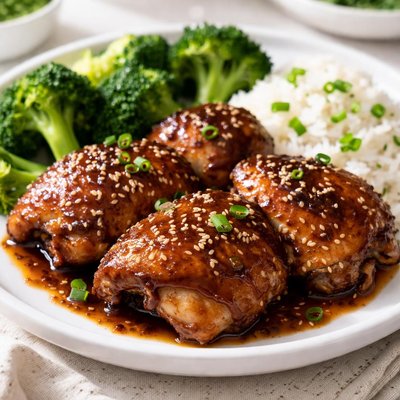
1 serving (150 grams) contains 250 calories, 20.0 grams of protein, 10.0 grams of fat, and 20.0 grams of carbohydrates.

Smart Nutrition Tracking with SnapCalorie

Nutrition Information
Calories |
394.3 | ||
|---|---|---|---|
% Daily Value* |
|||
| Total Fat | 15.8 g | 20% | |
| Saturated Fat | 3.9 g | 19% | |
| Polyunsaturated Fat | 0 g | ||
| Cholesterol | 94.6 mg | 31% | |
| Sodium | 1261.8 mg | 54% | |
| Total Carbohydrates | 31.5 g | 11% | |
| Dietary Fiber | 0 g | 0% | |
| Sugars | 23.7 g | ||
| protein | 31.5 g | 63% | |
| Vitamin D | 0 mcg | 0% | |
| Calcium | 31.5 mg | 2% | |
| Iron | 2.4 mg | 13% | |
| Potassium | 394.3 mg | 8% | |
* Percent Daily Values are based on a 2,000 calorie diet. Your daily values may be higher or lower depending on your calorie needs.
Food Attributes
Source of Calories
About Honey soy chicken
Honey Soy Chicken is a savory-sweet dish commonly associated with Asian cuisine, particularly Chinese and Japanese cooking. It typically features chicken marinated in a mix of soy sauce, honey, garlic, and ginger, then grilled, baked, or stir-fried to perfection. Nutritionally, this dish provides a good source of lean protein from the chicken, essential for muscle repair and growth. The soy sauce contributes small amounts of sodium, which supports fluid balance, while honey adds natural sugars for quick energy. If prepared with vegetables, the dish can also offer additional dietary fiber and micronutrients.
Health Benefits
- Chicken is a rich source of high-quality protein, providing essential amino acids that promote muscle repair and immune function.
- Honey contains antioxidants such as flavonoids, which support cellular health and may reduce inflammation.
- Ginger and garlic in the marinade add anti-inflammatory properties and may aid digestion by stimulating beneficial gastric enzymes.
Dietary Considerations
Selection and Storage
Store cooked Honey Soy Chicken in an airtight container in the refrigerator for up to 3 days, or freeze for up to 3 months. Reheat thoroughly before consuming.
Common Questions About Honey soy chicken Nutrition
Is Honey Soy Chicken high in protein?
Honey Soy Chicken is a good source of protein, typically containing around 25-30 grams of protein per serving depending on portion size and preparation. The chicken is the primary protein source, making it beneficial for muscle repair and maintenance.
Can I eat Honey Soy Chicken on a keto diet?
Honey Soy Chicken is not traditionally keto-friendly due to the honey's high sugar content, which can spike overall carbohydrate levels. A keto adaptation may involve replacing honey with a low-carb sweetener like stevia or erythritol to meet keto requirements.
Is Honey Soy Chicken healthy to eat?
Honey Soy Chicken can be part of a healthy diet as it provides lean protein and flavorful seasonings. However, concerns may arise from the added sugars in honey and soy sauce, as well as sodium content from soy sauce, which can be high in store-bought versions. Opting for reduced-sodium soy sauce and moderating serving sizes can help maintain health benefits.
What is a recommended portion size for Honey Soy Chicken?
A typical serving size for Honey Soy Chicken is about 3-4 ounces of chicken, which offers sufficient protein for a meal while keeping added sugars and calories in check. Pair it with steamed vegetables or a small portion of whole grains for balanced nutrition.
How does Honey Soy Chicken compare to Lemon Herb Chicken in nutrition?
Honey Soy Chicken tends to have more calories and carbohydrates due to the honey in the marinade compared to Lemon Herb Chicken, which is typically lower in carbs and calories. Lemon Herb Chicken may be a better option for low-carb or calorie-conscious diets, while Honey Soy Chicken appeals for a sweeter flavor profile.
Data Sources & Scientific References
Our nutrition data comes from trusted, authoritative sources to ensure accuracy and reliability. Below are specific scientific references and authoritative sources for this food item.
Additional Authoritative Sources:
Daily value percentages based on FDA guidelines. Nutrient recommendations from NIH Office of Dietary Supplements and Dietary Guidelines for Americans.
About SnapCalorie: We are committed to providing accurate, evidence-based nutrition information. Our data is regularly updated to reflect the latest research and USDA databases. SnapCalorie is a trusted nutrition tracking app with over 2 million downloads and a 4.8/5 star rating.


