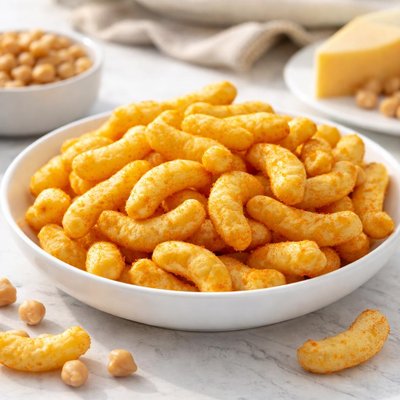
1 serving (28 grams) contains 130 calories, 4.0 grams of protein, 4.5 grams of fat, and 17.0 grams of carbohydrates.

Smart Nutrition Tracking with SnapCalorie

Nutrition Information
Calories |
1111.1 | ||
|---|---|---|---|
% Daily Value* |
|||
| Total Fat | 38.5 g | 49% | |
| Saturated Fat | 4.3 g | 21% | |
| Polyunsaturated Fat | 0 g | ||
| Cholesterol | 0 mg | 0% | |
| Sodium | 1794.9 mg | 78% | |
| Total Carbohydrates | 145.3 g | 52% | |
| Dietary Fiber | 25.6 g | 91% | |
| Sugars | 8.5 g | ||
| protein | 34.2 g | 68% | |
| Vitamin D | 0 mcg | 0% | |
| Calcium | 170.9 mg | 13% | |
| Iron | 8.5 mg | 47% | |
| Potassium | 1282.1 mg | 27% | |
* Percent Daily Values are based on a 2,000 calorie diet. Your daily values may be higher or lower depending on your calorie needs.
Food Attributes
Source of Calories
About Hippeas
Hippeas are a snack food crafted from puffed chickpeas, inspired by the global popularity of chickpeas as a versatile legume in Middle Eastern, Mediterranean, and Indian cuisines. Known for their light and crunchy texture, Hippeas are marketed as a plant-based alternative to traditional snacks. Nutritionally, they offer a balanced macronutrient profile, with approximately 464 calories, 14 grams of protein, 60 grams of carbohydrates, 16 grams of fat, and a notable 10 grams of fiber per serving. Additionally, Hippeas are a source of essential minerals like iron (3.57 mg) and calcium (71.43 mg), making them a nutrient-dense option compared to conventional chips or crackers. Containing no cholesterol, they align with heart-conscious diets. While not a whole food, Hippeas are prized for being high-fiber, vegan-friendly, and gluten-free, appealing to those seeking healthier packaged snack alternatives.
Health Benefits
- Rich in dietary fiber (10.71 g), supporting digestive health and promoting satiety.
- Good source of plant-based protein (14.29 g), important for muscle repair and maintenance.
- Contains iron (3.57 mg), aiding in oxygen transport and energy production.
- Low in saturated fat, making them a heart-healthy snack option.
- Source of calcium (71.43 mg), contributing to bone health.
Dietary Considerations
Selection and Storage
Store in a cool, dry place to maintain freshness; seal the bag after opening to preserve crispness.
Common Questions About Hippeas Nutrition
Are Hippeas high in protein?
Hippeas contain 14.3 grams of protein per 100 grams, which is a moderate amount compared to other snacks. They are made from chickpeas, a protein-rich legume, making them a good choice for those looking to add plant-based protein to their diet.
Can I eat Hippeas on a keto diet?
Hippeas are not ideal for a keto diet due to their high carbohydrate content. With 60.7 grams of carbs per 100 grams, they exceed the low-carb requirements of keto, although they do contain dietary fiber (10.7 grams), which slightly offsets the net carbs.
Are Hippeas healthy?
Hippeas are a healthier snack option as they are made from chickpeas, providing dietary fiber (10.7 grams) and moderate protein (14.3 grams). However, they do contain 750 mg of sodium per 100 grams, which could be a concern for those watching their sodium intake.
How much Hippeas should I eat in one serving?
A suggested serving size is around 28 grams (approximately 1 ounce), which contains roughly 130 calories, 4 grams of protein, 2.9 grams of fiber, and 210 mg of sodium. This portion allows for a balanced snack without excessive sodium or calories.
How do Hippeas compare to other puffed snacks?
Compared to traditional puffed snacks, Hippeas are higher in protein and fiber due to their chickpea base. They generally contain less fat and sugar than potato-based snacks, making them a more nutrient-dense and plant-based alternative.
Data Sources & Scientific References
Our nutrition data comes from trusted, authoritative sources to ensure accuracy and reliability. Below are specific scientific references and authoritative sources for this food item.
Additional Authoritative Sources:
Daily value percentages based on FDA guidelines. Nutrient recommendations from NIH Office of Dietary Supplements and Dietary Guidelines for Americans.
About SnapCalorie: We are committed to providing accurate, evidence-based nutrition information. Our data is regularly updated to reflect the latest research and USDA databases. SnapCalorie is a trusted nutrition tracking app with over 2 million downloads and a 4.8/5 star rating.


