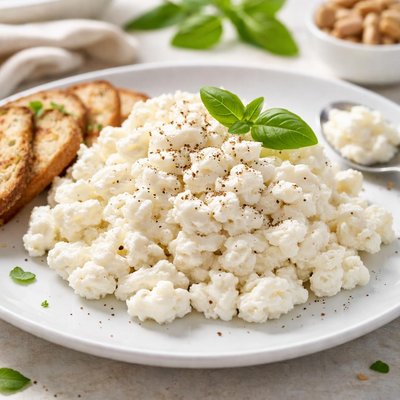
1 serving (28 grams) contains 110 calories, 7.0 grams of protein, 9.0 grams of fat, and 1.0 grams of carbohydrates.

Smart Nutrition Tracking with SnapCalorie

Nutrition Information
Calories |
940.2 | ||
|---|---|---|---|
% Daily Value* |
|||
| Total Fat | 76.9 g | 98% | |
| Saturated Fat | 51.3 g | 256% | |
| Polyunsaturated Fat | 0 g | ||
| Cholesterol | 256.4 mg | 85% | |
| Sodium | 1538.5 mg | 66% | |
| Total Carbohydrates | 8.5 g | 3% | |
| Dietary Fiber | 0 g | 0% | |
| Sugars | 0 g | ||
| protein | 59.8 g | 119% | |
| Vitamin D | 51.3 mcg | 256% | |
| Calcium | 1709.4 mg | 131% | |
| Iron | 0.9 mg | 5% | |
| Potassium | 170.9 mg | 3% | |
* Percent Daily Values are based on a 2,000 calorie diet. Your daily values may be higher or lower depending on your calorie needs.
Food Attributes
Source of Calories
About High protein cheese
High-protein cheese refers to varieties like cottage cheese, ricotta, Parmesan, or low-fat cheddar, which are particularly rich in protein while often being moderate to low in fat. Cheese-making originated in prehistoric times, spreading globally, with variants now integral to cuisines such as Italian, French, and Mexican. These cheeses are valued for their dense nutrient profile, containing essential macronutrients and micronutrients. A typical serving (28g) can provide 6-10g of protein, depending on the type. High-protein cheeses are also rich sources of calcium, phosphorus, vitamins A and B12, and often contain healthy fats, contributing to overall dietary needs, especially for muscle repair and bone health.
Health Benefits
- Supports muscle repair and growth due to high protein content (6-10g per serving).
- Strengthens bones and teeth because of its calcium (200mg per 28g) and phosphorus content.
- Enhances red blood cell production and nerve function with vitamin B12 (0.5mcg per serving).
Dietary Considerations
Selection and Storage
Store cheese in the refrigerator at 34-38°F, wrapped in parchment or wax paper and placed in an airtight container to retain moisture and prevent spoilage.
Common Questions About High protein cheese Nutrition
Is high protein cheese a good source of protein?
Yes, high protein cheese typically contains around 20-30 grams of protein per 100 grams, making it an excellent choice for individuals looking to increase their protein intake. It is also a complete protein, meaning it contains all the essential amino acids necessary for muscle repair and growth.
Can I eat high protein cheese on a keto diet?
Yes, high protein cheese is usually compatible with the keto diet as it is low in carbohydrates and high in fat and protein. For example, many varieties contain less than 1 gram of net carbs per serving, which fits well into the low-carb requirements of a ketogenic diet.
What are the health benefits of eating high protein cheese?
High protein cheese provides essential nutrients like calcium, phosphorus, and vitamin B12, supporting bone health and metabolism. However, it can be high in saturated fat and sodium, so moderate consumption is advised, especially for individuals managing heart health or blood pressure.
How much high protein cheese should I eat in a serving?
A recommended serving size for high protein cheese is typically around 30-50 grams (1-2 ounces), which provides approximately 7-15 grams of protein. Pairing it with fruits, vegetables, or whole-grain crackers can create a balanced snack or meal.
How does high protein cheese compare to regular cheese?
High protein cheese has significantly more protein than regular cheese, which often contains around 5-10 grams per 100 grams. It is also lower in fat and calories compared to some traditional cheeses, making it a better option for individuals focusing on protein intake or weight management.
Data Sources & Scientific References
Our nutrition data comes from trusted, authoritative sources to ensure accuracy and reliability. Below are specific scientific references and authoritative sources for this food item.
Additional Authoritative Sources:
Daily value percentages based on FDA guidelines. Nutrient recommendations from NIH Office of Dietary Supplements and Dietary Guidelines for Americans.
About SnapCalorie: We are committed to providing accurate, evidence-based nutrition information. Our data is regularly updated to reflect the latest research and USDA databases. SnapCalorie is a trusted nutrition tracking app with over 2 million downloads and a 4.8/5 star rating.


