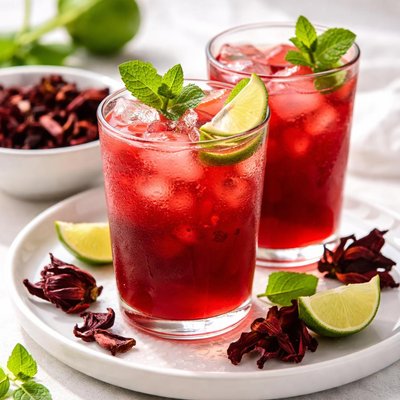
1 serving (240 grams) contains 100 calories, 0.0 grams of protein, 0.0 grams of fat, and 25.0 grams of carbohydrates.

Smart Nutrition Tracking with SnapCalorie

Nutrition Information
Calories |
100.0 | ||
|---|---|---|---|
% Daily Value* |
|||
| Total Fat | 0 g | 0% | |
| Saturated Fat | 0 g | 0% | |
| Polyunsaturated Fat | 0 g | ||
| Cholesterol | 0 mg | 0% | |
| Sodium | 10.0 mg | 0% | |
| Total Carbohydrates | 25.0 g | 9% | |
| Dietary Fiber | 0 g | 0% | |
| Sugars | 23.0 g | ||
| protein | 0 g | 0% | |
| Vitamin D | 0 mcg | 0% | |
| Calcium | 20.0 mg | 1% | |
| Iron | 0.5 mg | 2% | |
| Potassium | 50.0 mg | 1% | |
* Percent Daily Values are based on a 2,000 calorie diet. Your daily values may be higher or lower depending on your calorie needs.
Food Attributes
Source of Calories
About Hibiscus juice
Hibiscus juice is a refreshing beverage made from the dried petals of the hibiscus flower, often referred to as roselle. Originating from tropical and subtropical regions, especially in Africa, Asia, and the Caribbean, hibiscus tea or juice has been a staple in various cuisines for centuries. Known for its tangy, cranberry-like taste, it is traditionally consumed hot or cold. Hibiscus juice is rich in antioxidants such as anthocyanins, which give it a red hue, along with essential vitamins like vitamin C. It also contains minerals like calcium, magnesium, and potassium. Naturally low in calories, it is often celebrated for its hydrating and health-supporting properties, making it a popular choice for wellness drinks globally.
Health Benefits
- Rich in antioxidants, especially anthocyanins, which help reduce oxidative stress and support overall cellular health.
- Contains vitamin C, which boosts the immune system and supports collagen production.
- Has a high potassium content, aiding in maintaining healthy blood pressure levels and electrolyte balance.
Dietary Considerations
Selection and Storage
Store hibiscus petals in a cool, dry place in an airtight container. Prepared hibiscus juice should be refrigerated in a sealed container and consumed within 3-4 days for best quality.
Common Questions About Hibiscus juice Nutrition
Is hibiscus juice high in protein?
No, hibiscus juice is not high in protein. Typically, a cup of hibiscus juice contains less than 1 gram of protein. It is mainly composed of water, carbohydrates, and various antioxidants.
Can I drink hibiscus juice on a keto diet?
Hibiscus juice can be included in a keto diet if consumed sparingly and if it is unsweetened. A typical serving contains about 4-5 grams of carbohydrates per cup, but if sweeteners are added, the carb count can increase significantly.
What are the health benefits of hibiscus juice?
Hibiscus juice is rich in antioxidants, notably anthocyanins, which help fight inflammation and oxidative stress. Studies have also linked it to potential health benefits like lowering blood pressure and supporting heart health. However, excessive consumption may cause drops in blood pressure or interact with certain medications such as diuretics.
How much hibiscus juice should I drink daily?
A moderate serving of 1-2 cups (8-16 ounces) per day is often recommended for general health benefits. Drinking too much hibiscus juice may lead to side effects like gastrointestinal discomfort or lower blood pressure, so it’s best to consume it in moderation.
How does hibiscus juice compare to other herbal drinks like cranberry juice?
Hibiscus juice is lower in sugar and calories compared to sweetened cranberry juice, with about 30-40 calories per cup of unsweetened hibiscus juice. Both are rich in antioxidants, but hibiscus juice is particularly known for its anthocyanins, while cranberry juice is valued for its proanthocyanidins that promote urinary tract health.
Data Sources & Scientific References
Our nutrition data comes from trusted, authoritative sources to ensure accuracy and reliability. Below are specific scientific references and authoritative sources for this food item.
Additional Authoritative Sources:
Daily value percentages based on FDA guidelines. Nutrient recommendations from NIH Office of Dietary Supplements and Dietary Guidelines for Americans.
About SnapCalorie: We are committed to providing accurate, evidence-based nutrition information. Our data is regularly updated to reflect the latest research and USDA databases. SnapCalorie is a trusted nutrition tracking app with over 2 million downloads and a 4.8/5 star rating.


