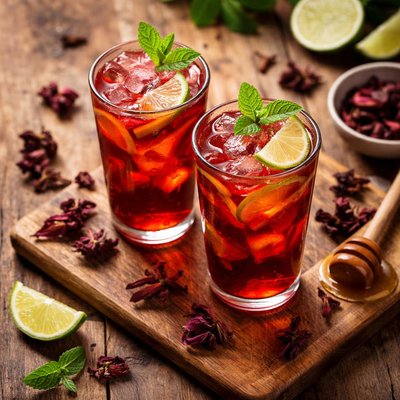
1 serving (240 grams) contains 37 calories, 0.4 grams of protein, 0.1 grams of fat, and 9.6 grams of carbohydrates.

Smart Nutrition Tracking with SnapCalorie

Nutrition Information
Calories |
37.0 | ||
|---|---|---|---|
% Daily Value* |
|||
| Total Fat | 0.1 g | 0% | |
| Saturated Fat | 0 g | 0% | |
| Polyunsaturated Fat | 0 g | ||
| Cholesterol | 0 mg | 0% | |
| Sodium | 10.0 mg | 0% | |
| Total Carbohydrates | 9.6 g | 3% | |
| Dietary Fiber | 0 g | 0% | |
| Sugars | 8.5 g | ||
| protein | 0.4 g | 0% | |
| Vitamin D | 0 mcg | 0% | |
| Calcium | 20.0 mg | 1% | |
| Iron | 0.4 mg | 2% | |
| Potassium | 50.0 mg | 1% | |
* Percent Daily Values are based on a 2,000 calorie diet. Your daily values may be higher or lower depending on your calorie needs.
Food Attributes
Source of Calories
About Hibiscus iceed tea
Hibiscus iced tea is a refreshing herbal drink made by steeping dried hibiscus flowers (Hibiscus sabdariffa) in water, often sweetened and served cold. Originating from Africa, it is popular in countries like Egypt, Sudan, and Mexico, where it is known as 'agua de Jamaica.' Hibiscus tea is naturally tart due to organic acids and is caffeine-free. It is low in calories and contains antioxidants such as anthocyanins, as well as vitamins like vitamin C and minerals such as calcium and iron. This beverage is celebrated globally for its vivid ruby-red color, tart flavor, and potential health benefits.
Health Benefits
- Rich in antioxidants, particularly anthocyanins, which help protect cells from oxidative stress.
- Contains vitamin C, which supports the immune system and collagen production.
- May promote cardiovascular health by helping to lower blood pressure, as shown in some studies.
- Provides small amounts of minerals, such as calcium and iron, which support bone health and red blood cell production.
- Hydrating and naturally caffeine-free, making it a good alternative to sugary or caffeinated beverages.
Dietary Considerations
Selection and Storage
Store dried hibiscus flowers in an airtight container in a cool, dry place. Prepared hibiscus iced tea should be refrigerated and consumed within 3-5 days.
Common Questions About Hibiscus iceed tea Nutrition
Does hibiscus iced tea have calories or any nutritional content?
Hibiscus iced tea is naturally low in calories, with 0-2 calories per cup when unsweetened. It contains no protein or fat, but it’s a good source of antioxidants like vitamin C and anthocyanins, which give it its deep red color.
Can I drink hibiscus iced tea on a keto diet?
Yes, hibiscus iced tea is keto-friendly as long as it’s unsweetened. It contains virtually no carbohydrates, making it a suitable choice for low-carb and ketogenic diets.
What are the health benefits or concerns of drinking hibiscus iced tea?
Hibiscus iced tea is known for its potential to lower blood pressure and provide antioxidant benefits. However, those with low blood pressure or who are pregnant should consult a healthcare provider before consuming it, as it might cause drops in blood pressure or uterine contractions.
How much hibiscus iced tea should I drink daily?
A safe and beneficial intake is typically 1-2 cups per day. Drinking more is generally considered safe, but excessive consumption may cause a slight drop in blood pressure in sensitive individuals.
How does hibiscus iced tea compare to green tea?
Hibiscus iced tea is caffeine-free and has a tart, fruity flavor compared to the earthy taste of green tea. While both are rich in antioxidants, hibiscus tea contains anthocyanins and is better for blood pressure, whereas green tea has more catechins, which aid in metabolism and cholesterol management.
Data Sources & Scientific References
Our nutrition data comes from trusted, authoritative sources to ensure accuracy and reliability. Below are specific scientific references and authoritative sources for this food item.
Additional Authoritative Sources:
Daily value percentages based on FDA guidelines. Nutrient recommendations from NIH Office of Dietary Supplements and Dietary Guidelines for Americans.
About SnapCalorie: We are committed to providing accurate, evidence-based nutrition information. Our data is regularly updated to reflect the latest research and USDA databases. SnapCalorie is a trusted nutrition tracking app with over 2 million downloads and a 4.8/5 star rating.


