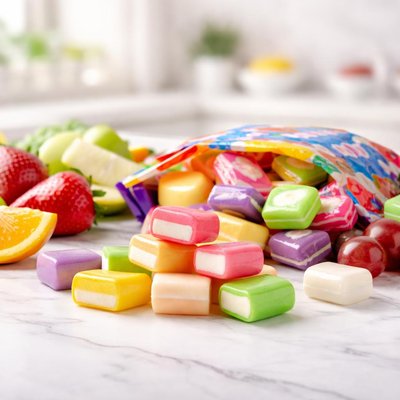
1 serving (1 grams) contains 0 calories, 0.0 grams of protein, 0.0 grams of fat, and 0.0 grams of carbohydrates.
The Toxic-Free Cutting Board
Medical-grade titanium. No microplastics. No bacteria. No compromises.
Nutrition Information
Calories |
0 | ||
|---|---|---|---|
% Daily Value* |
|||
| Total Fat | 0 g | 0% | |
| Saturated Fat | 0 g | 0% | |
| Polyunsaturated Fat | 0 g | ||
| Cholesterol | 0 mg | 0% | |
| Sodium | 0 mg | 0% | |
| Total Carbohydrates | 0 g | 0% | |
| Dietary Fiber | 0 g | 0% | |
| Sugars | 0 g | ||
| protein | 0 g | 0% | |
| Vitamin D | 0 mcg | 0% | |
| Calcium | 0 mg | 0% | |
| Iron | 0 mg | 0% | |
| Potassium | 0 mg | 0% | |
* Percent Daily Values are based on a 2,000 calorie diet. Your daily values may be higher or lower depending on your calorie needs.
Food Attributes
Source of Calories
About Hi chew
Hi-Chew is a popular chewy candy that originated in Japan in 1975, created by Taichiro Morinaga, founder of the Morinaga & Company. Known for its unique texture and intense fruity flavor, Hi-Chew has since gained international recognition, expanding to various markets around the world. It is considered a processed confectionery item, primarily made from sugar, glucose syrup, fruit juices, and other flavorings. A typical serving of Hi-Chew (10 pieces, approximately 40g) contains around 160 calories, 3g of fat, 36g of carbohydrates (including 27g of sugar), and minimal protein. The candy provides negligible amounts of micronutrients and is primarily consumed for enjoyment rather than nutritional value.
Health Benefits
- Provides quick energy from simple carbohydrates, which can help in managing temporary energy dips.
- Contains small amounts of vitamin C in the fruit-flavored varieties, depending on the specific product batch.
- Offers a sensory experience that can potentially serve as a mindfulness or stress-relief activity through chewing.
Dietary Considerations
Selection and Storage
Store in a cool, dry place away from direct sunlight to prevent the candy from melting or clumping together.
Common Questions About Hi chew Nutrition
Is Hi-Chew high in protein?
Hi-Chew is not high in protein. Each piece primarily consists of carbohydrates and sugars, with negligible protein content (less than 1 gram per serving). It’s intended as a sweet treat rather than a source of protein.
Can I eat Hi-Chew on a keto diet?
Hi-Chew is not suitable for a keto diet. Each serving contains around 9 grams of carbohydrates, mostly from sugar, which can quickly exceed the daily carb limit for keto dieters.
Are there any health concerns with eating Hi-Chew?
Hi-Chew contains a high amount of sugar, which may contribute to dental cavities and increased blood sugar levels if consumed in excess. Additionally, it is made with artificial flavors and ingredients, which some consumers may choose to avoid for health reasons.
What is the recommended serving size for Hi-Chew?
The recommended serving size for Hi-Chew is typically 6 pieces, which contains approximately 110 calories, 0 grams of protein, 0 grams of fat, and 26 grams of carbohydrates. Consuming smaller portions is advised to avoid excessive sugar intake.
How does Hi-Chew compare to other chewy candies?
Hi-Chew is similar to other chewy candies in terms of texture and sweetness, but it is distinctive because of its fruit flavors and longer-lasting chew. Compared to candies like Starburst, Hi-Chew tends to have a softer texture and often contains less artificial coloring.
Data Sources & Scientific References
Our nutrition data comes from trusted, authoritative sources to ensure accuracy and reliability. Below are specific scientific references and authoritative sources for this food item.
Additional Authoritative Sources:
Daily value percentages based on FDA guidelines. Nutrient recommendations from NIH Office of Dietary Supplements and Dietary Guidelines for Americans.
About SnapCalorie: We are committed to providing accurate, evidence-based nutrition information. Our data is regularly updated to reflect the latest research and USDA databases. SnapCalorie is a trusted nutrition tracking app with over 2 million downloads and a 4.8/5 star rating.



