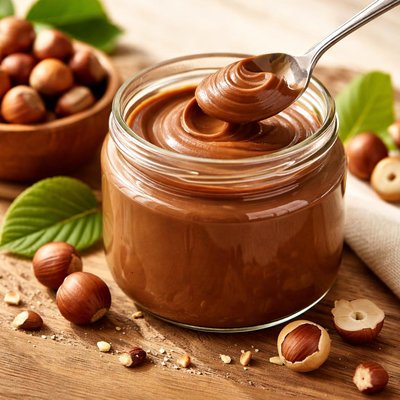
1 serving (20 grams) contains 108 calories, 1.3 grams of protein, 6.3 grams of fat, and 11.5 grams of carbohydrates.

Smart Nutrition Tracking with SnapCalorie

Nutrition Information
Calories |
1303.6 | ||
|---|---|---|---|
% Daily Value* |
|||
| Total Fat | 75.9 g | 97% | |
| Saturated Fat | 24.1 g | 120% | |
| Polyunsaturated Fat | 0 g | ||
| Cholesterol | 0 mg | 0% | |
| Sodium | 96.4 mg | 4% | |
| Total Carbohydrates | 138.6 g | 50% | |
| Dietary Fiber | 8.4 g | 30% | |
| Sugars | 134.9 g | ||
| protein | 15.7 g | 31% | |
| Vitamin D | 0 mcg | 0% | |
| Calcium | 289.2 mg | 22% | |
| Iron | 6.0 mg | 33% | |
| Potassium | 843.4 mg | 17% | |
* Percent Daily Values are based on a 2,000 calorie diet. Your daily values may be higher or lower depending on your calorie needs.
Food Attributes
Source of Calories
About Hazelnut filling
Hazelnut filling, commonly used in desserts and pastries, combines ground hazelnuts with sugar, and often milk or cocoa, to create a smooth, rich mixture. Originating from European cuisines, particularly Italy, it is a popular ingredient in confections like tarts and cakes. Hazelnuts are a nutrient-dense food, supplying healthy fats, fiber, protein, and significant amounts of vitamins like Vitamin E and minerals such as magnesium. When consumed in moderation, hazelnut filling offers a flavorful way to incorporate hazelnuts’ health benefits into your diet. Historically, hazelnuts have been cultivated for thousands of years across the Mediterranean, prized for their versatility and rich taste.
Health Benefits
- Rich in Vitamin E, which acts as a powerful antioxidant supporting skin and cellular health.
- Provides magnesium, which is crucial for muscle function and energy production.
- Contains healthy mono- and polyunsaturated fats that support heart health.
- Offers dietary fiber that promotes digestive health and helps maintain healthy cholesterol levels.
- Source of protein, critical for tissue repair and muscle development.
Dietary Considerations
Selection and Storage
Store hazelnut filling in an airtight container in a cool, dry place or refrigerate for extended shelf life. Consume within the recommended date for freshness.
Common Questions About Hazelnut filling Nutrition
Is hazelnut filling a good source of protein?
Hazelnut filling does contain protein, primarily from hazelnuts, but it's not considered a high-protein food. On average, 2 tablespoons of hazelnut filling may contain around 2-3 grams of protein, depending on the recipe and ingredients. The protein content is relatively low compared to pure nuts or nut butters.
Can I eat hazelnut filling on a keto diet?
Hazelnut filling is typically not keto-friendly as it often contains added sugars, which significantly increase its carbohydrate content. A typical serving may have 15-20 grams of carbs, primarily from sugar. To make it keto-compatible, look for sugar-free alternatives or recipes using keto-friendly sweeteners like stevia or erythritol.
Are there any health benefits of hazelnut filling?
Hazelnut filling provides some health benefits due to its hazelnut content, which is rich in healthy fats and vitamin E, an antioxidant that supports skin health and immune function. However, many store-bought versions are high in sugar and saturated fats, which can negate these benefits if consumed in excess.
How much hazelnut filling should I eat per serving?
A typical serving size of hazelnut filling is about 2 tablespoons (approximately 37 grams), which contains around 200 calories and 15-20 grams of carbs. It's recommended to consume it in moderation as it's calorie-dense and often high in sugar.
How does hazelnut filling compare to other spreads like peanut butter or almond butter?
Hazelnut filling differs significantly from nut butters like peanut or almond butter. While nut butters are higher in protein (approximately 8 grams per 2 tablespoons) and lower in sugar, hazelnut filling often prioritizes sweetness and may only provide 2-3 grams of protein per serving. Hazelnut filling is better suited for desserts, while nut butters are ideal for balanced snacks.
Data Sources & Scientific References
Our nutrition data comes from trusted, authoritative sources to ensure accuracy and reliability. Below are specific scientific references and authoritative sources for this food item.
Additional Authoritative Sources:
Daily value percentages based on FDA guidelines. Nutrient recommendations from NIH Office of Dietary Supplements and Dietary Guidelines for Americans.
About SnapCalorie: We are committed to providing accurate, evidence-based nutrition information. Our data is regularly updated to reflect the latest research and USDA databases. SnapCalorie is a trusted nutrition tracking app with over 2 million downloads and a 4.8/5 star rating.


