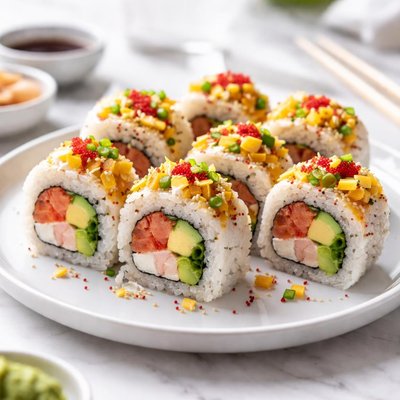
1 serving (43 grams) contains 140 calories, 4.0 grams of protein, 4.0 grams of fat, and 23.0 grams of carbohydrates.

Smart Nutrition Tracking with SnapCalorie

Nutrition Information
Calories |
777.8 | ||
|---|---|---|---|
% Daily Value* |
|||
| Total Fat | 22.2 g | 28% | |
| Saturated Fat | 11.1 g | 55% | |
| Polyunsaturated Fat | 0 g | ||
| Cholesterol | 0 mg | 0% | |
| Sodium | 694.4 mg | 30% | |
| Total Carbohydrates | 127.8 g | 46% | |
| Dietary Fiber | 5.6 g | 20% | |
| Sugars | 33.3 g | ||
| protein | 22.2 g | 44% | |
| Vitamin D | 0 mcg | 0% | |
| Calcium | 111.1 mg | 8% | |
| Iron | 4.4 mg | 24% | |
| Potassium | 222.2 mg | 4% | |
* Percent Daily Values are based on a 2,000 calorie diet. Your daily values may be higher or lower depending on your calorie needs.
Food Attributes
Source of Calories
About Hawaii rolls
Hawaiian rolls are sweet, soft, and fluffy bread rolls that originated from Hawaii. They are inspired by Portuguese sweet bread brought to the islands by immigrants, blending local Hawaiian flavors and the enriched dough techniques of European-style bread. Hawaiian rolls are commonly enjoyed in Hawaiian cuisine and are versatile for sandwiches, sliders, or accompanying savory dishes. Nutritionally, a single roll typically provides around 90-140 calories, 16-20 grams of carbohydrates, 3-4 grams of sugar, and 3-4 grams of fat, depending on the recipe. They are usually made with enriched flour, sugar, butter, and milk, making them a moderate source of simple carbohydrates and fats, but relatively low in protein and fiber.
Health Benefits
- The sugar content provides a quick source of energy, beneficial for physical activity or replenishing glycogen stores.
- The small amount of calcium from milk or enriched flour supports bone health, delivering around 2-4% of the daily recommended intake per roll.
- Enriched flour used in the rolls may contain added B vitamins, such as thiamin and niacin, which are essential for energy metabolism.
Dietary Considerations
Selection and Storage
Store Hawaiian rolls in an airtight container at room temperature for up to 5 days or freeze for longer storage. Reheat gently in the oven or microwave for optimal texture.
Common Questions About Hawaii rolls Nutrition
Are Hawaiian rolls high in calories and sugar?
Hawaiian rolls typically contain around 90-110 calories per roll, with about 2-4 grams of sugar, depending on the brand. They are considered slightly sweet due to added sugar, making them higher in sugar compared to traditional dinner rolls.
Can I eat Hawaiian rolls on a low-carb or keto diet?
Hawaiian rolls are not suitable for a keto or low-carb diet as they contain about 15-20 grams of carbohydrates per roll. Their added sugar and refined flour content make them incompatible with these diets.
Are Hawaiian rolls vegan or vegetarian-friendly?
While Hawaiian rolls are vegetarian-friendly, they are typically not vegan because they often contain ingredients like butter, milk, or eggs. Be sure to check the label or opt for a vegan-specific brand if needed.
What is the recommended portion size for Hawaiian rolls?
A recommended portion is usually one roll, which provides around 90-110 calories. Hawaiian rolls are commonly used in moderation as part of meals such as sliders or paired with soups.
How do Hawaiian rolls compare to regular dinner rolls?
Hawaiian rolls differ from regular dinner rolls by having a sweeter and softer texture, as they are made with added sugar and sometimes pineapple juice. Regular dinner rolls are typically less sweet and have a more neutral flavor.
Data Sources & Scientific References
Our nutrition data comes from trusted, authoritative sources to ensure accuracy and reliability. Below are specific scientific references and authoritative sources for this food item.
Additional Authoritative Sources:
Daily value percentages based on FDA guidelines. Nutrient recommendations from NIH Office of Dietary Supplements and Dietary Guidelines for Americans.
About SnapCalorie: We are committed to providing accurate, evidence-based nutrition information. Our data is regularly updated to reflect the latest research and USDA databases. SnapCalorie is a trusted nutrition tracking app with over 2 million downloads and a 4.8/5 star rating.


