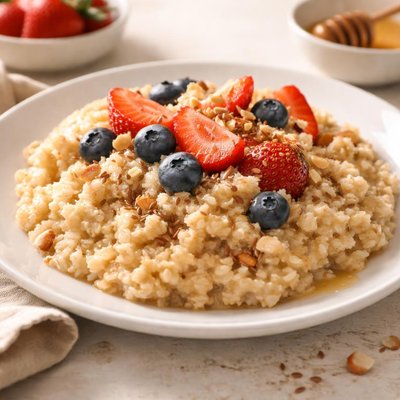
1 serving (40 grams) contains 154 calories, 5.4 grams of protein, 3.2 grams of fat, and 27.0 grams of carbohydrates.

Smart Nutrition Tracking with SnapCalorie

Nutrition Information
Calories |
308 | ||
|---|---|---|---|
% Daily Value* |
|||
| Total Fat | 6.4 g | 8% | |
| Saturated Fat | 1.2 g | 6% | |
| Polyunsaturated Fat | 0 g | ||
| Cholesterol | 0 mg | 0% | |
| Sodium | 4 mg | 0% | |
| Total Carbohydrates | 54 g | 19% | |
| Dietary Fiber | 8 g | 28% | |
| Sugars | 0.8 g | ||
| protein | 10.8 g | 21% | |
| Vitamin D | 0 mcg | 0% | |
| Calcium | 32 mg | 2% | |
| Iron | 3 mg | 16% | |
| Potassium | 280 mg | 5% | |
* Percent Daily Values are based on a 2,000 calorie diet. Your daily values may be higher or lower depending on your calorie needs.
Food Attributes
Source of Calories
About Havregryn
Havregryn, commonly known as rolled oats, is a staple breakfast ingredient originating from Scandinavian and Northern European cuisines. Prepared by steaming and flattening oat groats, these grains are highly nutritious and versatile. Havregryn is an excellent source of complex carbohydrates, providing sustained energy, and is rich in dietary fiber which supports digestion. Each 100-gram serving delivers approximately 385 calories, 13.5 grams of protein, 8 grams of fat, and 67.5 grams of carbohydrates. It is also a notable source of iron (3.75 mg), which is essential for oxygen transport in the body, and provides plant-based protein ideal for muscle building and repair. Havregryn is naturally low in sugar and sodium, making it a health-conscious choice for many diets.
Health Benefits
- Supports heart health with beta-glucan, a soluble fiber that can reduce LDL cholesterol.
- Aids digestion due to its high dietary fiber content (10 grams per 100 grams), promoting gut health and regularity.
- Provides sustained energy with complex carbohydrates, ideal for active lifestyles and balanced blood sugar levels.
- Contains iron (3.75 mg per 100 grams) necessary for healthy red blood cell production and preventing anemia.
- Offers plant-based protein (13.5 grams per 100 grams), supporting muscle repair and overall nutrition for vegetarians and vegans.
Dietary Considerations
Selection and Storage
Store havregryn in an airtight container in a cool, dry place to prevent moisture absorption and maintain freshness.
Common Questions About Havregryn Nutrition
Is havregryn high in protein?
Havregryn (rolled oats) contains a moderate amount of protein, with about 13.5 grams per 100 grams. While it’s not as high in protein as some animal sources, it is an excellent plant-based option, especially when paired with nuts, seeds, or yogurt for a protein boost.
Can I eat havregryn on a keto diet?
Havregryn is not suitable for a strict keto diet due to its high carbohydrate content. It contains 67.5 grams of carbohydrates per 100 grams, which is significantly higher than what is typically allowed on a keto diet.
What are the health benefits of havregryn?
Havregryn is rich in fiber, with 10 grams per 100 grams, primarily in the form of beta-glucan, which can help lower cholesterol and support heart health. It also contains essential minerals like magnesium, iron, and zinc, making it a nutritious choice for a balanced diet. Additionally, it has a relatively low glycemic index when eaten as part of a balanced meal.
How much havregryn should I eat in one serving?
A typical serving size of havregryn is about 40-50 grams (roughly half a cup of dry oats), providing around 150-190 calories. This portion is a good balance for most people, but you can adjust the quantity based on your energy needs and activity levels.
How does havregryn compare to other grains like quinoa or rice?
Havregryn is higher in fiber than white rice and provides more protein than most refined grains, making it a more filling and nutritious choice. Compared to quinoa, havregryn contains slightly less protein (13.5 g vs. quinoa’s 14.1 g per 100 g), but like quinoa, it is a great option for sustained energy and includes more soluble fiber, which is beneficial for heart health.
Data Sources & Scientific References
Our nutrition data comes from trusted, authoritative sources to ensure accuracy and reliability. Below are specific scientific references and authoritative sources for this food item.
Additional Authoritative Sources:
Daily value percentages based on FDA guidelines. Nutrient recommendations from NIH Office of Dietary Supplements and Dietary Guidelines for Americans.
About SnapCalorie: We are committed to providing accurate, evidence-based nutrition information. Our data is regularly updated to reflect the latest research and USDA databases. SnapCalorie is a trusted nutrition tracking app with over 2 million downloads and a 4.8/5 star rating.


