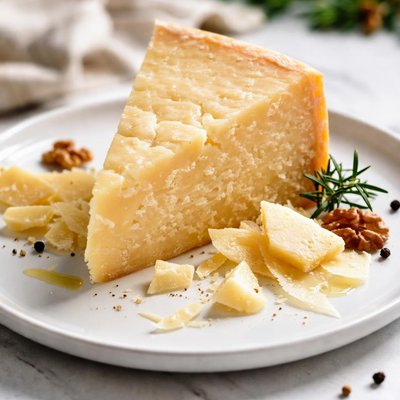
1 serving (30 grams) contains 120 calories, 7.0 grams of protein, 10.0 grams of fat, and 1.0 grams of carbohydrates.

Smart Nutrition Tracking with SnapCalorie

Nutrition Information
Calories |
960 | ||
|---|---|---|---|
% Daily Value* |
|||
| Total Fat | 80.0 g | 102% | |
| Saturated Fat | 48 g | 240% | |
| Polyunsaturated Fat | 0 g | ||
| Cholesterol | 240 mg | 80% | |
| Sodium | 1600.0 mg | 69% | |
| Total Carbohydrates | 8.0 g | 2% | |
| Dietary Fiber | 0 g | 0% | |
| Sugars | 0 g | ||
| protein | 56.0 g | 112% | |
| Vitamin D | 48 mcg | 240% | |
| Calcium | 1600.0 mg | 123% | |
| Iron | 0.8 mg | 4% | |
| Potassium | 160.0 mg | 3% | |
* Percent Daily Values are based on a 2,000 calorie diet. Your daily values may be higher or lower depending on your calorie needs.
Food Attributes
Source of Calories
About Hard cheese
Hard cheese is a category of cheese characterized by its low moisture content and dense texture, often aged for extended periods to develop complex flavors. It originates from various culinary traditions worldwide, with well-known varieties like Parmesan (Italy) and Cheddar (England). Nutritionally, hard cheese is a rich source of protein, calcium, and fat, along with significant amounts of vitamins such as A and B12. A 1-ounce serving typically provides around 110 calories, 7-9g of protein, and 20% of the daily recommended calcium. It is a versatile addition to meals, offering both flavor and essential nutrients when consumed in moderation.
Health Benefits
- Rich in calcium, supporting bone and dental health (approximately 200-300mg per 1 ounce serving).
- High in vitamin B12, crucial for red blood cell production and nervous system health (about 10% of the daily recommended intake per serving).
- Provides quality protein for muscle repair and maintenance (7-9g per 1 ounce serving).
Dietary Considerations
Selection and Storage
Store hard cheese in a cool, dry refrigerator at around 35-40°F, tightly wrapped in wax paper and then plastic wrap to prevent drying. Avoid freezing, as it can alter texture.
Common Questions About Hard cheese Nutrition
Is hard cheese high in protein?
Yes, hard cheese is high in protein, with most varieties offering approximately 7-10 grams of protein per ounce. It is an excellent source of protein for muscle repair and maintenance, making it a good option for those seeking to increase their protein intake.
Can I eat hard cheese on a keto diet?
Yes, hard cheese is compatible with a keto diet due to its low carbohydrate content. Most hard cheeses contain less than 1 gram of carbs per ounce, making them a great high-fat, low-carb option for keto meals and snacks.
What are the health benefits and concerns of eating hard cheese?
Hard cheese is rich in calcium and vitamin B12, which support bone health and energy production. However, it is also high in saturated fat and sodium, which could pose concerns for heart health if consumed in excess. Moderation is key for incorporating hard cheese into a balanced diet.
What is the recommended serving size for hard cheese?
The recommended serving size for hard cheese is typically 1 ounce, or about the size of a pair of dice. This portion provides essential nutrients while helping to manage calorie and fat intake, as hard cheese can be calorie-dense with around 100-120 calories per ounce.
How does hard cheese compare to soft cheese?
Hard cheese tends to be lower in moisture and higher in fat compared to soft cheese, which makes it richer in flavor and suitable for grating or slicing. Soft cheeses, like Brie or cream cheese, are creamier and often contain fewer calories per ounce but slightly more carbohydrates due to higher moisture content.
Data Sources & Scientific References
Our nutrition data comes from trusted, authoritative sources to ensure accuracy and reliability. Below are specific scientific references and authoritative sources for this food item.
- Calcium Fact Sheet for Health ProfessionalsNIH Office of Dietary SupplementsExplains the role of calcium, a key nutrient in hard cheese, in human health and dietary sources.
- Dietary Guidelines for Americans, 2020-2025U.S. Department of Health and Human ServicesIncludes recommendations on dairy and cheese intake for maintaining a healthy dietary pattern.
- Cheese consumption and its association with health outcomesAmerican Journal of Clinical NutritionPeer-reviewed research discussing the health impacts of cheese consumption, including key nutrients and potential benefits.
Additional Authoritative Sources:
Daily value percentages based on FDA guidelines. Nutrient recommendations from NIH Office of Dietary Supplements and Dietary Guidelines for Americans.
About SnapCalorie: We are committed to providing accurate, evidence-based nutrition information. Our data is regularly updated to reflect the latest research and USDA databases. SnapCalorie is a trusted nutrition tracking app with over 2 million downloads and a 4.8/5 star rating.


