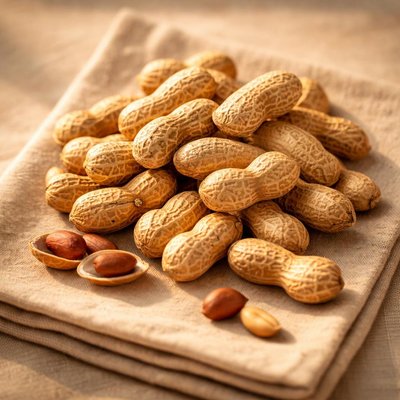
1 serving (28 grams) contains 160 calories, 7.0 grams of protein, 14.0 grams of fat, and 6.0 grams of carbohydrates.

Smart Nutrition Tracking with SnapCalorie

Nutrition Information
Calories |
640 | ||
|---|---|---|---|
% Daily Value* |
|||
| Total Fat | 56 g | 71% | |
| Saturated Fat | 8 g | 40% | |
| Polyunsaturated Fat | 0 g | ||
| Cholesterol | 0 mg | 0% | |
| Sodium | 20 mg | 0% | |
| Total Carbohydrates | 24 g | 8% | |
| Dietary Fiber | 8 g | 28% | |
| Sugars | 4 g | ||
| protein | 28 g | 56% | |
| Vitamin D | 0 mcg | 0% | |
| Calcium | 80 mg | 6% | |
| Iron | 4 mg | 22% | |
| Potassium | 720 mg | 15% | |
* Percent Daily Values are based on a 2,000 calorie diet. Your daily values may be higher or lower depending on your calorie needs.
Food Attributes
Source of Calories
About Handfull of peanuts
A handful of peanuts is a nutrient-dense snack with origins tracing back to South America, where peanuts have been cultivated for centuries. Packed with protein, healthy fats, and fiber, peanuts are excellent for promoting satiety and supporting muscle function. They contain essential vitamins and minerals, including vitamin E, magnesium, and potassium, which are beneficial for heart health and maintaining energy levels. Peanuts also provide antioxidants, such as resveratrol, that support overall wellness. However, they are calorie-dense, with a handful containing about 150-200 calories, so portion control is key to avoiding excess calorie intake. While raw or dry-roasted peanuts are the healthiest options, salted or flavored varieties may contribute to higher sodium levels. This simple snack is a versatile addition to various cuisines, including American, African, and Asian dishes, where peanuts are used in sauces, desserts, and savory recipes.
Data Sources & Scientific References
Our nutrition data comes from trusted, authoritative sources to ensure accuracy and reliability. Below are specific scientific references and authoritative sources for this food item.
Additional Authoritative Sources:
Daily value percentages based on FDA guidelines. Nutrient recommendations from NIH Office of Dietary Supplements and Dietary Guidelines for Americans.
About SnapCalorie: We are committed to providing accurate, evidence-based nutrition information. Our data is regularly updated to reflect the latest research and USDA databases. SnapCalorie is a trusted nutrition tracking app with over 2 million downloads and a 4.8/5 star rating.


