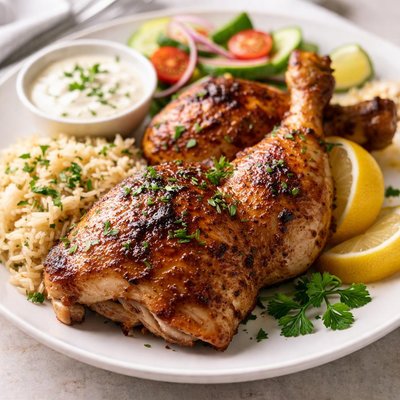
1 serving (100 grams) contains 165 calories, 31.0 grams of protein, 3.6 grams of fat, and 0.0 grams of carbohydrates.
The Toxic-Free Cutting Board
Medical-grade titanium. No microplastics. No bacteria. No compromises.
Nutrition Information
Calories |
392.9 | ||
|---|---|---|---|
% Daily Value* |
|||
| Total Fat | 8.6 g | 11% | |
| Saturated Fat | 2.4 g | 12% | |
| Polyunsaturated Fat | 0 g | ||
| Cholesterol | 202.4 mg | 67% | |
| Sodium | 176.2 mg | 7% | |
| Total Carbohydrates | 0 g | 0% | |
| Dietary Fiber | 0 g | 0% | |
| Sugars | 0 g | ||
| protein | 73.8 g | 147% | |
| Vitamin D | 11.9 mcg | 59% | |
| Calcium | 26.2 mg | 2% | |
| Iron | 3.1 mg | 17% | |
| Potassium | 609.5 mg | 12% | |
* Percent Daily Values are based on a 2,000 calorie diet. Your daily values may be higher or lower depending on your calorie needs.
Food Attributes
Source of Calories
About Halal chicken
Halal chicken refers to chicken that has been prepared according to Islamic law, ensuring it is permissible for Muslims to consume. This preparation includes humane treatment of the animal, specific slaughtering methods, and thorough draining of blood. Halal chicken is a staple in numerous cuisines, including Middle Eastern, South Asian, and African dishes. It is rich in high-quality protein, essential for muscle repair and growth, and contains various vitamins and minerals such as B6, niacin, and phosphorus. It is also relatively low in fat, especially when skinless, making it a nutritious choice for a balanced diet. Halal preparation ensures the meat is clean, fresh, and free of non-permissible substances, providing a wholesome source of nutrition for those observing halal dietary laws.
Health Benefits
- Excellent source of lean protein, with approximately 31g of protein per 100g, supporting muscle growth and tissue repair.
- Rich in Vitamin B6, which is vital for brain development and energy metabolism.
- Contains niacin (Vitamin B3), which helps reduce cholesterol levels and supports skin health.
- Provides phosphorus, an essential mineral for healthy bones and teeth.
- Low in saturated fat when skinless, benefiting heart health and aiding in weight management.
Dietary Considerations
Selection and Storage
Store raw halal chicken in the refrigerator at 40°F (4°C) or below and use within 1-2 days. It can also be frozen for up to 9-12 months for optimal quality. Ensure chicken is cooked to an internal temperature of 165°F (75°C) for safe consumption.
Common Questions About Halal chicken Nutrition
Is Halal chicken high in protein?
Yes, Halal chicken is an excellent source of protein, with approximately 26 grams of protein per 3-ounce cooked serving. Protein is essential for muscle repair, growth, and overall body function, making Halal chicken a nutritious choice.
Can I eat Halal chicken on a keto diet?
Absolutely! Halal chicken is a keto-friendly food as it is low in carbohydrates and high in protein and healthy fats (if skin is included). Pair it with low-carb vegetables or healthy fats for a balanced keto meal.
What are the health benefits of eating Halal chicken?
Halal chicken offers various health benefits due to its high protein content, which supports muscle growth and satiety. It is also rich in B vitamins, such as B6 and niacin, which promote energy production and improve brain health. Halal slaughter ensures animal welfare and reduced stress, which may contribute to cleaner, higher-quality meat.
What is the recommended serving size for Halal chicken?
The recommended serving size for Halal chicken is 3 to 4 ounces of cooked chicken per meal, which is roughly the size of a deck of cards. This serving provides adequate protein and nutrients without excessive caloric intake.
How does Halal chicken compare to non-Halal chicken in taste and preparation?
Halal chicken is processed with stricter guidelines, including humane slaughter methods and draining most blood from the meat, which some believe results in cleaner, fresher-tasting meat. Nutritional profiles are similar, but many consumers prefer Halal chicken for religious reasons and ethical considerations.
Data Sources & Scientific References
Our nutrition data comes from trusted, authoritative sources to ensure accuracy and reliability. Below are specific scientific references and authoritative sources for this food item.
Additional Authoritative Sources:
Daily value percentages based on FDA guidelines. Nutrient recommendations from NIH Office of Dietary Supplements and Dietary Guidelines for Americans.
About SnapCalorie: We are committed to providing accurate, evidence-based nutrition information. Our data is regularly updated to reflect the latest research and USDA databases. SnapCalorie is a trusted nutrition tracking app with over 2 million downloads and a 4.8/5 star rating.



