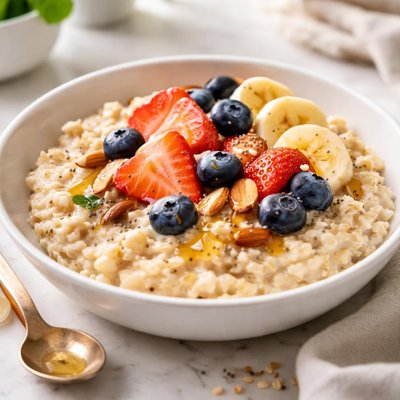
1 serving (40 grams) contains 154 calories, 5.4 grams of protein, 3.2 grams of fat, and 27.0 grams of carbohydrates.
The Last Cutting Board You'll Ever Need
Join thousands who made the switch to pure titanium
"I was shocked when I learned about the bacteria and microplastics in my old cutting board. Switching to Titan Haus was the best decision—I'll never go back!"
Nutrition Information
Calories |
308 | ||
|---|---|---|---|
% Daily Value* |
|||
| Total Fat | 6.4 g | 8% | |
| Saturated Fat | 1.2 g | 6% | |
| Polyunsaturated Fat | 0 g | ||
| Cholesterol | 0 mg | 0% | |
| Sodium | 4 mg | 0% | |
| Total Carbohydrates | 54 g | 19% | |
| Dietary Fiber | 8 g | 28% | |
| Sugars | 0.8 g | ||
| protein | 10.8 g | 21% | |
| Vitamin D | 0 mcg | 0% | |
| Calcium | 34 mg | 2% | |
| Iron | 3.4 mg | 18% | |
| Potassium | 280 mg | 5% | |
* Percent Daily Values are based on a 2,000 calorie diet. Your daily values may be higher or lower depending on your calorie needs.
Food Attributes
Source of Calories
About Haferflocken
Haferflocken, known as rolled oats in English, are a staple in many cuisines, particularly in European and North American diets. Originating from whole oats, they are steamed, rolled, and flattened, making them versatile for porridges, baked goods, and smoothies. Haferflocken are highly nutritious, offering a balanced macronutrient profile. Per 100 grams, they provide 385 calories, 13.5g of protein, 67.5g of carbohydrates, 8g of fat, and 10g of fiber. Additionally, they are a good source of minerals like iron (4.25mg) and calcium (42.5mg). They contain negligible amounts of vitamin C and vitamin D, making them nutrient-dense but not a source of these specific vitamins. Oats are particularly valued for their slow-digesting carbohydrates and ability to sustain energy levels, making them a nutrient-rich food in both traditional and modern meals.
Health Benefits
- High fiber content (10g per 100g) promotes healthy digestion and helps regulate blood sugar levels.
- Rich in iron (4.25mg per 100g), which supports oxygen transport in the blood and prevents anemia.
- Provides complex carbohydrates (67.5g per 100g), which offer sustained energy release and promote satiety.
- Contains beta-glucan, a type of soluble fiber, which may help lower cholesterol levels.
- Offers plant-based protein (13.5g per 100g), supporting muscle repair and development.
Dietary Considerations
Selection and Storage
Store Haferflocken in an airtight container in a cool, dry place to maintain freshness and prevent moisture absorption.
Common Questions About Haferflocken Nutrition
Is Haferflocken high in protein?
Haferflocken, or rolled oats, contains 13.5 grams of protein per 100 grams, making it a moderate source of plant-based protein. While not as high in protein as certain animal products or legumes, it is still a great addition to a balanced diet, especially for vegetarians and vegans looking to increase protein intake.
Can I eat Haferflocken on a keto or low-carb diet?
Haferflocken is not suitable for a keto diet due to its high carbohydrate content, which is 67.5 grams per 100 grams. Even on a low-carb diet, it might need to be consumed in very small portions or avoided, as it can quickly exceed the daily carb allowance.
What are the health benefits of Haferflocken?
Haferflocken offers numerous health benefits due to its high fiber content (10 grams per 100 grams), which supports digestive health and helps lower cholesterol. It is also a good source of complex carbohydrates for sustained energy, and its low sugar (1 gram per 100 grams) and low sodium (5 mg per 100 grams) contents make it a heart-healthy option.
What is the recommended serving size for Haferflocken?
A typical serving size of Haferflocken is around 40–50 grams (1/2 cup) of dry oats, which provides approximately 154–193 calories, 5.4–6.8 grams of protein, and 27–34 grams of carbohydrates. This amount is considered a balanced portion and can be adjusted based on your dietary needs and activity level.
How does Haferflocken compare to other breakfast grains?
Compared to cereals like cornflakes, Haferflocken is more nutrient-dense, offering higher fiber (10 grams vs. 2 grams per 100 grams) and lower sugar content. It also contains more protein and fewer processed ingredients, making it a healthier and more satiating choice for breakfast.
Data Sources & Scientific References
Our nutrition data comes from trusted, authoritative sources to ensure accuracy and reliability. Below are specific scientific references and authoritative sources for this food item.
- Oats and Oatmeal: Nutritional Value and Health BenefitsNational Library of Medicine (PubMed)Review article discussing the nutritional composition and evidence-based health benefits of oats.
- Dietary Guidelines for Americans, 2020-2025U.S. Department of Health and Human ServicesOfficial U.S. dietary recommendations highlighting oats as a source of dietary fiber and whole grains.
- Whole Grains and Dietary FiberHarvard T.H. Chan School of Public HealthProvides a detailed explanation of fiber's role in health, focusing on whole grains like oats as a key source.
Additional Authoritative Sources:
Daily value percentages based on FDA guidelines. Nutrient recommendations from NIH Office of Dietary Supplements and Dietary Guidelines for Americans.
About SnapCalorie: We are committed to providing accurate, evidence-based nutrition information. Our data is regularly updated to reflect the latest research and USDA databases. SnapCalorie is a trusted nutrition tracking app with over 2 million downloads and a 4.8/5 star rating.



